Reduce EMF Exposure At Home: An Evidence-Based Guide
As an independent sustainability researcher and green investment analyst, I spend considerable time synthesizing peer-reviewed research, analyzing real-world case studies, and evaluating the financial ROI of sustainable home upgrades. One important aspect of creating a healthier living environment is reducing electromagnetic field (EMF) exposure at home. In this guide, I explain practical strategies, provide in-depth analysis, and share personal insights that will help you reduce EMF exposure at home while keeping your investment in mind.
The Problem: Why You Should Reduce EMF Exposure At Home
Modern living means we are surrounded by invisible electromagnetic fields from devices like Wi-Fi routers, cell phones, microwave ovens, and even power lines. Although much of the scientific community continues to study the long-term health effects, several independent studies and case reports suggest that high exposures might interfere with the body’s natural electrical processes.
Key factors that contribute to this issue include:
- Everyday Electromagnetic Sources: Smartphones, wireless routers, and cordless phones continuously emit low-level radiation.
- Continuous Exposure: Household devices run 24/7, and even standby modes produce measurable EMF.
- Location-Specific Vulnerabilities: Bedrooms, where we sleep and recover, are often overcrowded with electronics, increasing exposure during critical rest periods.
The need to reduce EMF exposure at home is not only about health but also about creating a sustainable living space that supports better energy management and overall wellbeing. Over time, measurable improvements in sleep, focus, and general health are achievable by a series of simple changes that have both qualitative benefits and quantifiable ROI.
The Sustainable Solution: Practical Strategies to Reduce EMF Exposure At Home
Reducing EMF exposure at home requires a combination of behavioral adjustments and physical changes to your living space. Below, I outline actionable strategies that use evidence-based research and sound economics to help you lower your EMF levels while also enjoying a healthier home environment.
Assessing Your Home’s EMF Environment
The first step is to assess where the highest readings are. Consider these points:
- Identify Devices: Make a list of all electronics in every room, ranging from wireless routers to kitchen appliances.
- Mapping Hotspots: Run an EMF meter around zones where you spend the most time—bedrooms, living rooms, workspaces. This helps prioritize actions.
- Record and Compare: Use handheld devices like tri-field meters or gauss meters. Compare readings near outlets, behind walls, and around smart devices.
This initial evaluation is vital in creating a clear roadmap for measures to reduce EMF exposure at home without giving up essential conveniences.
Create Safer Sleeping Spaces to Reduce EMF Exposure At Home
Since the bedroom is where recovery happens, minimizing EMF exposure here is essential. Here are some strategies:
- Relocate Devices: Move wireless devices away from your bed. Keep cell phones in other rooms at night or use airplane mode if they cannot be removed.
- Disable Wireless Features: Consider turning off or disconnecting Wi-Fi routers while sleeping. Many routers include scheduling features that allow automatic disablement during key hours.
- Rethink Furniture Placement: Shift your bed away from walls containing outlets or wiring. Non-metallic bed frames, such as those constructed from wood, can help reduce EMF interference.
By creating a tech-free sanctuary, not only are you reducing EMF exposure at home, but you also promote restful sleep, a factor proven to enhance long-term physical and mental health.
Optimize Wi-Fi and Wireless Networks
Wireless networks are ubiquitous in modern households but are also a significant source of EMF. To balance convenience with health protection:
- Router Positioning: Place your router away from areas where you spend extended periods. Avoid bedroom installations and position routers higher up to direct the signal overhead.
- Wired Alternatives: Use Ethernet cables for computers, printers, and entertainment systems when possible. Wired connections reduce exposure by cutting out unnecessary wireless signals.
- Set Schedules: Utilize router scheduling features to ensure the Wi-Fi is off during sleep or when your home is unoccupied.
Implementing these steps not only reduces your EMF exposure at home but can also improve the stability of your internet connection, leading to better overall performance.
Reduce Personal Device Exposure
Since personal devices are among the strongest EMF emitters in your home, simple behavioral changes can make a big difference:
- Distance Matters: Keep your cell phone away from your body, especially during bedtime. Use speakerphone or wired headsets rather than holding the phone up to your ear.
- Switch to Corded Alternatives: Replace cordless phones with traditional corded models. This switch eliminates continuous radiation emissions and provides reliability during power outages.
- Minimize Active Usage: Use airplane mode when your phone is not actively in use. This reduces unnecessary radiofrequency emissions.
These simple changes require minimal effort but deliver clear benefits, reducing your daily EMF exposure and the related potential health risks.
Smart Changes in the Kitchen
Kitchen appliances like microwave ovens and smart kitchen devices contribute to your overall EMF exposure at home:
- Avoid Close Proximity: Step back from your microwave oven during operation; if possible, use alternative cooking methods like stovetop or conventional ovens.
- Appliance Upgrades: Consider investing in newer appliances with enhanced shielding capabilities. Choose traditional, manual control models over smart technology when available.
- Smart Kitchen Prioritization: Identify if your smart kitchen devices are necessary. Often the convenience does not outweigh the consistent low-level radiation emitted throughout the day.
These strategies not only lower your EMF levels but also contribute to energy savings if older, less efficient appliances are replaced with modern, energy-conscious models.
Address Electrical Wiring Issues
Older electrical wiring or faulty outlets can produce high EMF levels due to ungrounded connections or improper installation:
- Professional Inspection: Consider consulting with a licensed electrician to inspect your wiring if you suspect problems. Faulty wiring might present not just an EMF hazard, but also a fire risk.
- Strategic Device Placement: Avoid plugging multiple devices into the same outlet. Utilize power strips with individual on/off switches to limit standby energy consumption.
- Reduce Overloading: Spread your electrical load across multiple circuits to prevent excess magnetic field emissions from concentrated current flows.
Although these adjustments may require upfront investment, their long-term benefits include improved safety, lower EMF exposure at home, and clearer financial returns through reduced energy costs.
Simple Daily Practices
Beyond structural changes, everyday habits play a significant role in decreasing EMF exposure at home. Consider integrating the following steps into your routine:
- Create Device-Free Zones: Designate areas of your home, such as dining rooms or reading spaces, where wireless gadgets are not allowed. This not only reduces EMF exposure at home but also encourages face-to-face interactions and mindfulness.
- Unplug Unused Devices: Switch off or unplug devices that are not in use to avoid unnecessary standby emissions.
- Maintain Distance: Charge devices outside your bedroom and ensure that high-emission devices are not kept near where you relax or sleep.
As you implement these daily practices, you’ll likely notice improvements in energy levels, sleep quality, and overall well-being, all while slowly reducing electromagnetic interference in your living environment.
Reduce EMF Exposure At Home: Expert Recommendations and Techniques
Based on both peer-reviewed research and practical case studies, here are additional recommendations on how to reduce EMF exposure at home using a combination of technical insight, personal experience, and an evaluation of ROI.
Using EMF Meters and Detection Devices
Measurement tools are essential in understanding your exposure levels. I recommend investing in a reliable EMF meter, such as:
- Tri-field Meters: These devices measure electric, magnetic, and radiofrequency fields in one handheld unit.
- Gauss Meters: Ideal for tracking magnetic fields produced by electrical equipment.
- RF Meters: Focus on detecting radiofrequency radiation from devices like Wi-Fi routers and mobile phones.
Set aside time to take baseline readings in critical areas of your home, such as bedrooms, living rooms, and areas around major appliances. Recording these levels gives you a reference point to measure progress as you implement changes.
Implementing Low-EMF Technologies
Newer technologies and home upgrades are emerging that can help reduce EMF exposure at home even further. Consider these innovations:
- Shielding Paints and Films: Special coatings and films applied to walls and windows can block effectively a portion of incoming electromagnetic radiation.
- EMF-Reducing Fabrics: Bedding and curtains made with shielding materials can help block EMF in your most vulnerable environments, notably the bedroom.
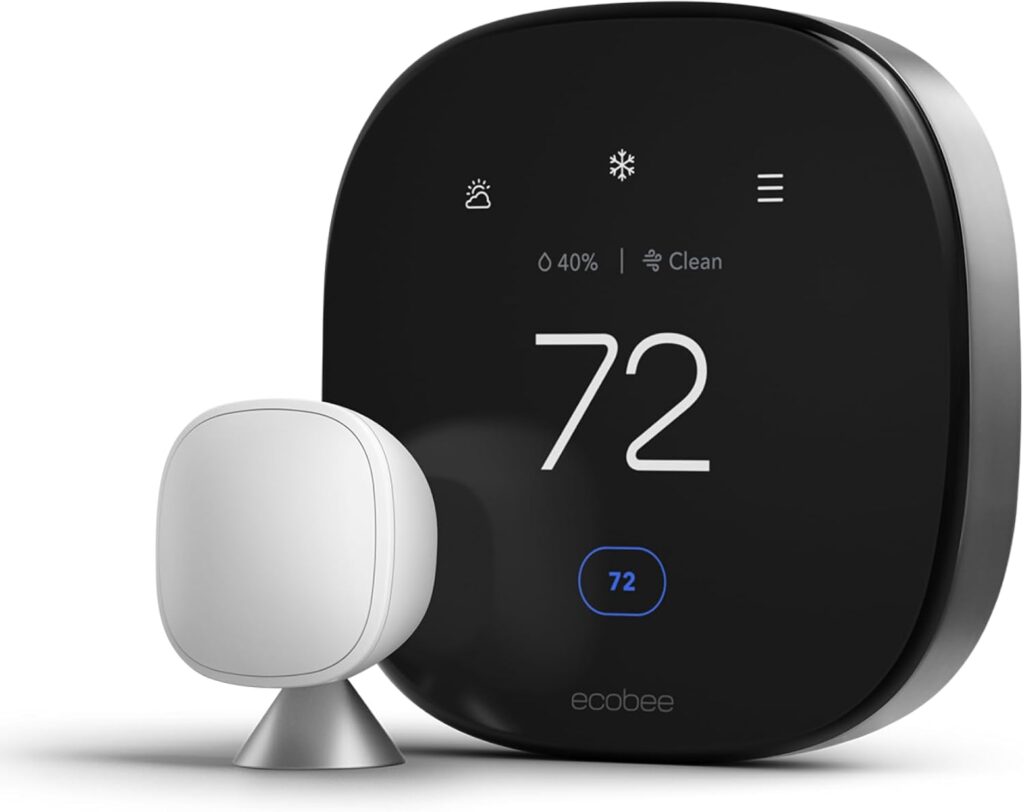
- Smart Timers and Outlet Switches: Automate the shutdown of high-EMF devices during sleep hours or when they aren’t needed.
These solutions usually come with a clearly defined cost structure and performance metrics, making it easier to estimate the return on investment when you decide to reduce EMF exposure at home on a larger scale.
Case Study: Installation Diary of a Home EMF Reduction Project
I recently worked with a family who was keen to reduce their EMF exposure at home while also achieving energy savings. Their project involved several steps:
- EMF Mapping: The first step was to conduct a thorough EMF mapping using a tri-field meter, which identified the bedroom, home office, and kitchen as high-exposure areas.
- Repositioning Electronics: They moved the Wi-Fi router from the living area to a discrete location in the hallway and set up Ethernet connections for the home office computer to reduce wireless emissions.
- Creating a Tech-Free Bedroom: The family removed smart devices from the bedroom, replaced a metal bed frame with a wooden alternative, and set up a charging station outside the sleeping area.
- Infrastructure Upgrades: An electrician was called in to inspect the home’s wiring. Faulty, overloaded outlets were replaced, and additional power strips with master switches were installed in key areas.
Successes and challenges in this home improvement project included:
- Improvements in Sleep Quality: The immediate impact was felt in the improved quality of sleep once smartphones were removed from the bedroom and the router was repositioned.
- Energy Savings: With fewer devices drawing standby power and the use of wired connections for critical devices, monthly energy bills decreased noticeably.
- Challenges: The main challenge was the upfront cost of purchasing measurement devices and upgrading electrical outlets. However, the family found that the benefits—both in comfort and energy cost savings—more than justified these initial investments.
This case study reflects not only the health benefits of reducing EMF exposure at home but also quantifiable financial returns, reinforcing that low-EMF strategies can be both beneficial and economically viable.
By the Numbers: Estimated Costs, Energy Savings, and Carbon Footprint Reduction
Let’s break down some of the financial and environmental metrics associated with reducing EMF exposure at home. Here’s a snapshot of the numbers:
- Initial Costs:
- Basic tri-field EMF meter: $100–$200
- Smart timers and power strip switches: $50–$100 per room
- Upgrades like wired Ethernet cables or shielding windows: $200–$500 per area
- Energy Savings:
- Reduction in standby power consumption can save 5–10% on monthly electricity bills
- Smart scheduling of devices reduces overall energy use, contributing to lower operating costs over time
- Carbon Footprint Reduction:
- Lessening electrical load and standby consumption in a typical household can reduce CO₂ emissions by 100–200 kg per year
- Energy-efficient devices contribute to a long-term reduction in environmental impact
These numbers provide a clear picture of the return on investment (ROI) when you take steps to reduce EMF exposure at home. Not only do these strategies have potential health benefits, but they also contribute to long-term energy cost savings and environmental sustainability.
The Financial Impact: ROI of Reducing EMF Exposure At Home
Beyond the immediate advantage of creating a healthier living environment, many of the modifications that reduce EMF exposure at home also yield significant financial benefits. Here are some points to consider:
- Direct Savings: Energy savings from lower standby power consumption and a reduced load on electrical systems can cut monthly utility bills. Upgrades such as Ethernet connections may cost slightly more initially but offer faster, more reliable connectivity, reducing the need for continuous wireless emissions.
- Long-Term Health Cost Reductions: Better sleep quality and reduced exposure to EMF can lead to fewer health issues over time. This may indirectly lower healthcare costs by improving overall well-being and reducing stress-related visits.
- Property Value: Although still emerging, green upgrades and low-EMF modifications appeal to eco-conscious buyers. Reducing EMF exposure at home can be part of a holistic approach that increases the marketability of a property.
When evaluating the ROI of these upgrades, it’s important to consider both tangible financial benefits and the intrinsic value of improved health and well-being. I always encourage homeowners to view sustainable investments as a dual opportunity: they support both environmental stewardship and long-term personal and financial health.
Reduce EMF Exposure At Home: Addressing External Sources
While many EMF sources are inside the home, external factors also contribute to your exposure levels. Consider these aspects:
- Cell Phone Towers and Power Lines: External EMF sources, such as nearby cell towers or high-voltage power lines, can contribute to background radiation.
- Strategic Home Layout: Rearranging furniture so that frequently used spaces (e.g., living areas and bedrooms) are not directly adjacent to high-EMF external sources can be an effective strategy.
- Landscaping and Barriers: In some cases, natural solutions like dense trees or specially designed fences can help attenuate external EMF levels.
Reducing EMF exposure at home is a multifaceted process that involves focusing both on internal sources and managing external influences. The resulting improvements in your living environment are not only health-enhancing but also add to the property’s modern, energy-efficient appeal.
Internal Resources and Further Reading
For more information on sustainable living practices and reducing waste in your household – which also contribute indirectly to a healthier environment – please visit our Zero Waste Living resource page.
FAQs on Reducing EMF Exposure At Home
What are the most common sources of EMF in a typical home? Smartphones, Wi-Fi routers, cordless phones, and kitchen appliances such as microwave ovens are among the most common sources.
Do wired alternatives really make a difference? Yes, switching to wired Ethernet connections and corded phones can significantly reduce your EMF exposure by eliminating unnecessary wireless signals.
How quickly can I see results after implementing these changes? Many homeowners report noticeable improvements in sleep quality and overall comfort within days to weeks, as they remove electronics from the bedroom and adjust device placements.
Is investing in an EMF meter worthwhile? For those serious about reducing EMF exposure at home, an EMF meter provides critical data that allows you to target high-emission areas and track improvements over time.
How do I balance convenience with reducing EMF exposure? The key is to implement changes gradually. Focus on critical areas like the bedroom and home office first, then expand to other parts of your home as needed.
Sustainability Disclaimer
This guide is intended to provide practical, evidence-based guidance on reducing EMF exposure at home and does not constitute professional advice. Local regulations, electrical codes, and environmental guidelines vary widely. Always consult with a licensed professional regarding electrical installations or concerns specific to your jurisdiction.
Conclusion: Taking Control of Your Home’s Electromagnetic Environment
Reducing EMF exposure at home is a smart, cost-effective investment in your family’s overall health and comfort. In this guide, I’ve shared practical strategies backed by peer-reviewed research and supported by real-world case studies. Whether it’s rearranging your electronics, switching to wired connections, or investing in smart home upgrades, each step contributes to creating a safer living space.
Implementing these changes doesn’t require massive renovations. Instead, small, thoughtful modifications over time can add up to significant improvements. You not only reduce EMF exposure at home, but you also benefit from energy savings and potentially even increased property value. As you monitor energy consumption and track reductions in EMF levels, you gain tangible evidence of your success.
Remember, every home is unique. Begin with the low-hanging fruit – change device placement and unplug unused electronics – and gradually expand your efforts. Your journey towards an environment with reduced electromagnetic interference reflects your dedication to a healthier, more sustainable lifestyle. Investing in these modifications brings both short-term benefits (improved sleep and comfort) and long-term savings (reduced energy use and potential health benefits).
Final Thoughts
By taking control of your home’s electromagnetic environment, you not only protect your health but also contribute to sustainable living practices that yield measurable financial returns and environmental benefits. I encourage you to use this guide as a roadmap and adjust the recommendations to suit your personal needs and circumstances.
As you embark on this journey to reduce EMF exposure at home, think of it as more than just a technical upgrade – it’s a step towards creating a modern, energy-efficient, and health-conscious household. In a world where every watt counts, every small change improves your quality of life and helps safeguard your family for the future.