Understanding Off Grid Living Solutions and Their Core Benefits
As an independent sustainability researcher and green investment analyst, I’ve spent years synthesizing peer-reviewed research, analyzing real-world case studies, and evaluating the financial ROI of sustainable home upgrades. In this guide, I’ll walk you through a comprehensive overview of Off Grid Living Solutions. This isn’t about vague ideas or abstract ideals – it’s about practical, evidence-based methods that bring real independence from traditional utilities while reducing costs and environmental impact.
Off Grid Living Solutions allow homeowners to produce their own energy, manage water resources, and control waste systems without reliance on centralized infrastructure. In today’s climate of rising energy costs and unpredictable utility fees, many are turning to these independent systems. I’ve seen firsthand how high-quality installations can transform a property economically and environmentally.
The Problem: Dependence on Traditional Infrastructure
Traditional utility systems are increasingly vulnerable to price fluctuations, supply disruptions, and environmental issues. Here’s what many homeowners experience:
- Rising Energy Costs: Traditional electricity bills are subject to tariff hikes, inflation, and market volatility.
- Environmental Impact: Conventional electricity generation is usually fossil-fuel-based, contributing to greenhouse gas emissions and poor air quality.
- Limited Control: Homeowners have little control over utility service interruptions, service fees, and energy sources.
- Aging Infrastructure: Outdated systems can be costly to repair or upgrade, leaving homeowners at the mercy of municipal decisions.
I encountered multiple clients whose rising utility bills and frequent outages made them seek alternatives. They were not only facing lower quality of life but also losing the potential for long-term financial savings. The traditional systems are simply not built for flexibility or sustainability in the modern era.
The Sustainable Solution: Off Grid Living Solutions
Off Grid Living Solutions empower you to take control of your resources. By installing renewable energy systems, water harvesting and waste management technologies, you transition toward a sustainable way of living that brings measurable benefits.
Renewable Energy Systems
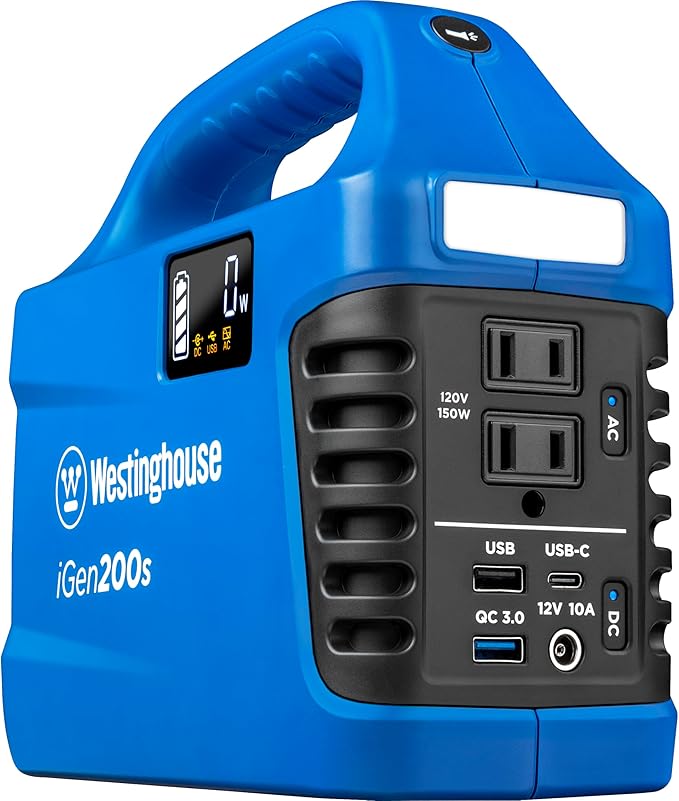
The foundation of any off grid system is energy independence. The most common solution is a solar power system:
- Solar Panels: Photovoltaic panels capture sunlight and transform it into usable electricity. My research shows that homes with adequate sun exposure can generate significant amounts of power.
- Battery Storage: Modern lithium-ion batteries store excess energy for use during cloudy days or at night. Compared to older lead-acid alternatives, these systems offer increased efficiency and longer life cycles.
- Supplemental Generation: Depending on your climate, supplementary technologies like wind turbines or micro-hydro systems can complement solar panels. For instance, wind turbines generate power in windy periods, balancing periods when solar energy is less effective.
- Backup Generators: Although not a primary energy source, a backup generator (propane or diesel) can provide essential support when renewable sources are not meeting demand.
In practice, many off grid systems are built in a modular and scalable fashion. Homeowners often start with powering essential appliances and gradually add more capacity as needs evolve. I’ve observed that a well-planned solar plus battery arrangement creates a robust energy ecosystem.
Water Management and Harvesting Techniques
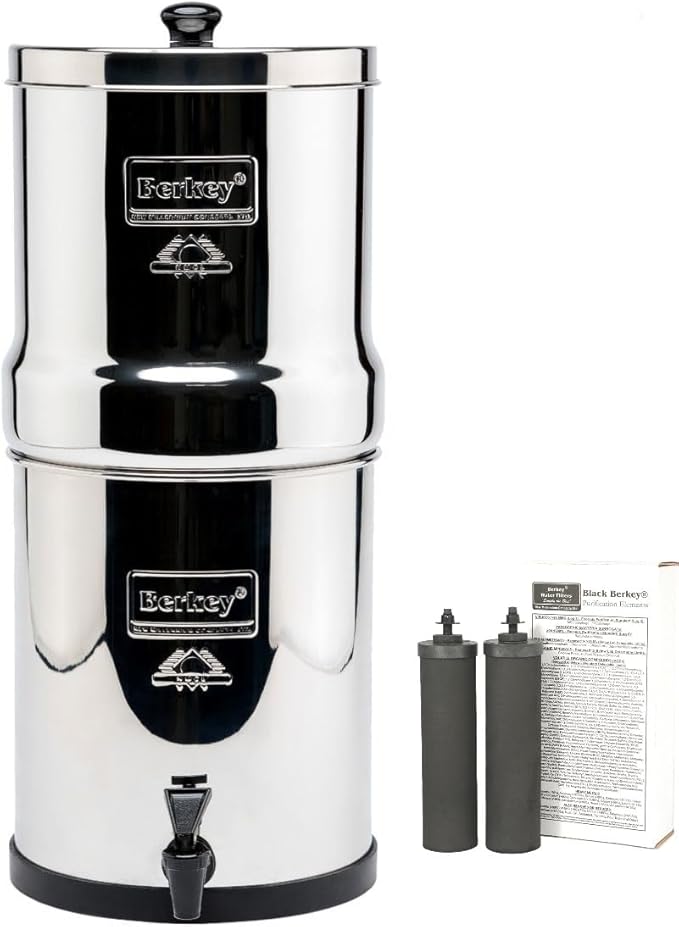
Water independence is another critical piece of the off grid puzzle. Most remote properties lack municipal water access, so alternative systems are necessary:
- Rainwater Harvesting: Capturing water from your roof using gutters and downspouts channels rain into storage tanks. With proper filtration, this water is safe for household tasks such as cooking and cleaning.
- Well Systems: Drilling for groundwater offers another reliable water source. Solar-powered pumps can lift this water into storage tanks, ensuring a steady supply regardless of weather conditions.
- Greywater Recycling: Systems can reuse water from sinks, showers, and laundry for irrigation or toilet flushing. This not only reduces your overall water consumption but also ensures you’re making efficient use of every drop.
For those interested in further sustainable activities, check out the Zero Waste Living guide for additional insights on resource conservation and waste reduction.
Waste Management and Sanitation
Managing waste effectively is essential for a clean and healthy off grid environment:
- Septic Systems: These systems treat and filter wastewater naturally, returning clean water to the soil.
- Composting Toilets: By breaking down waste into compost, these toilets help you transform human waste into useful garden fertilizer, reducing water consumption.
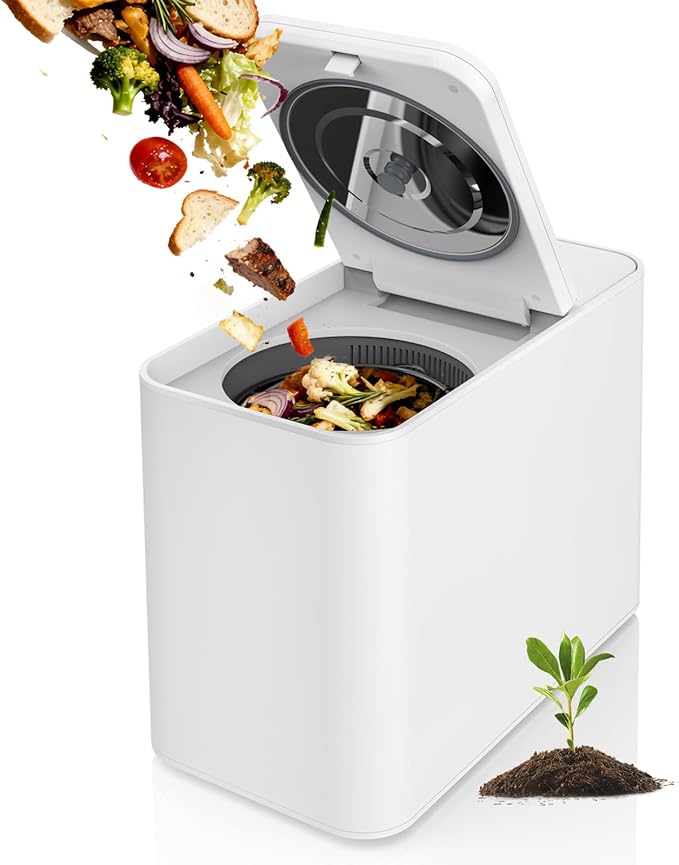
- Garbage and Recycling: Off grid homeowners often adopt zero-waste practices. This means composting organic waste, recycling as much as possible, and minimizing the need for municipal collection services.
I always emphasize that proper installation and maintenance of these systems are essential for long-term functionality and health.
Monitoring and Backup Systems
A robust off grid setup includes smart monitoring systems that help track energy production, storage levels, and water quality in real time:
- Smart Inverters: These devices provide real-time data on energy generation, allowing you to adjust usage for optimal efficiency.
- Energy Management Systems: They let you see consumption patterns and help prioritize loads during times of low production.
-
Backup Systems:
- Generators that automatically engage when battery levels drop below a safe threshold.
- Multiple water storage tanks ensure redundancy if one unit needs maintenance or fails.
These features not only provide a secure safety net but also help you fine-tune your Off Grid Living Solutions to meet real-time demands.
The Financial Impact of Off Grid Living Solutions
At first glance, the upfront investment for off grid systems can seem intimidating. However, when analyzed over time, the financial benefits become clear. As someone who meticulously evaluates ROI, I can say that this is a long-term investment that pays off in many ways.
Initial Investment and Long-Term Savings
The combined cost of solar panels, battery banks, water systems, and waste management can range between $10,000 to over $200,000. Here’s the breakdown:
- Solar Energy Systems: A quality solar installation, including batteries, typically costs between $15,000 and $40,000. This expense is offset by the consistent reduction in monthly utility bills.
- Water Harvesting Systems: Costs vary from a few thousand dollars for basic rainwater harvesting to higher expenses associated with drilled wells and advanced filtration systems.
- Waste Management Solutions: Investing in septic systems or composting toilets also varies; however, the ongoing savings in waste removal can be significant.
Over a 20-to-30-year lifespan, households can see dramatic reductions in utility bills – the average American spends between $1,200 to $2,400 annually on electricity alone, not to mention water and sewer fees. In many cases, after paying for receiving solar panels, batteries, and other systems, annual maintenance typically only runs a fraction of what you would pay in utilities.
Tax Credits, Rebates, and Incentives
Tax incentives play a key role in boosting the ROI of Off Grid Living Solutions. For instance:
- Federal Investment Tax Credit (ITC): Currently, homeowners can deduct 30% of solar system costs from their federal taxes.
- State Incentives: Many states offer additional rebates and tax credits that reduce net costs.
- Local Grants: Some regions have grants specifically designed to support renewable energy installations.
These financial incentives help lower the initial barrier to entry and make the payback period as short as 8 to 12 years in regions with high energy costs.
Maintenance Costs and Longevity
While solar panels can last 25 to 30 years, batteries might need replacement every 10 to 15 years, and other components such as water treatment systems may require periodic servicing. Here’s what you should consider:
- Ongoing Maintenance: Annual maintenance for solar and battery systems typically costs between $500 and $1,000.
- Replacement Cycles: Factor in the replacement of batteries and periodic repairs to water or waste management systems.
- Insurance: Off grid homes might incur different insurance costs, so it’s important to shop for policies that recognize renewable installations.
When you compare these periodic expenses against decades of eliminating monthly utility bills, the numbers add up to substantial long-term savings and increased home value.
Case Study: My Off Grid Installation Diary
I recall a deeply informative project where I assisted a family transitioning to Off Grid Living Solutions. The family wanted to reduce their reliance on the traditional grid due to both rising costs and a desire to lessen their environmental footprint. Here’s a quick look at their journey:
Initial Challenges and Planning
The biggest hurdle was evaluating the property’s potential:
- Energy Audit: We first performed an audit of their daily energy consumption. This revealed that while their major loads were lights and refrigeration, they also had peak demand during cooler winter evenings.
- Resource Assessment: We assessed the property’s solar exposure, wind patterns, and available water sources. The abundant sunlight made solar the obvious choice, complemented by a small wind turbine for winter months.
- Budget Constraints: With an upfront investment in mind, we planned a phased approach so the family wouldn’t be overwhelmed financially.
Installation and Early Successes
The installation was executed in phases:
- Phase 1: Installing a 7-kilowatt solar system paired with a 25-kilowatt-hour lithium-ion battery bank provided an immediate reduction in utility reliance.
- Phase 2: A rainwater harvesting system was set up along with a basic well system, ensuring water security even during dry spells.
- Phase 3: Integrating a simple composting toilet and greywater recycling system reduced waste while reusing water for garden irrigation.
The family reported that within the first year, they had significantly cut their utility bills while enjoying greater control over daily energy management. There were challenges, such as occasional cloudy days that stressed the battery system, but the addition of a compact backup generator readily solved these issues.
Lessons Learned
Reflecting on their journey, these are some key takeaways:
- Plan for Autonomy: Designing for three to five days of independence in battery storage proved critical.
- Phased Implementation: Gradually escalating the system allowed manageable learning curves and budget control.
- Monitor and Adjust: With smart monitoring systems in place, real-time adjustments maintained energy balance and reduced waste.
By the Numbers: Financial and Environmental Metrics
To give you a clearer picture, here are some estimated figures based on multiple installations:
- Initial System Cost: $15,000–$40,000 for a complete solar plus battery system
- Auxiliary Systems (Water, Waste, Backup): $5,000–$20,000 depending on complexity
- Annual Maintenance: Approximately $500–$1,000
- Utility Savings: Annual savings can range from $1,200 to $3,600, easily recouping the investment within 8–15 years
- Carbon Footprint Reduction: Installing renewable energy systems can reduce household CO₂ emissions by up to 3–5 metric tons per year
- Home Value Increase: Properties equipped with off grid systems sometimes sell at a premium due to lower operational costs
These numbers prove that Off Grid Living Solutions are not only environmentally responsible but also financially rewarding over the long term.
The Financial Impact: Calculating ROI and Long-Term Savings
When I evaluate Off Grid Living Solutions, I focus on anticipated ROI and how quickly the expenses are recouped. The key points to consider include:
- Upfront Costs vs. Utility Bills: Although initial installation can be expensive, eliminating or drastically reducing monthly utility bills means you’re saving money every month.
- Tax Benefits: Federal, state, and local incentives often offset costs substantially – a 30% deduction through the ITC, for example, is a game changer.
- Maintenance and Replacement: With predictable maintenance expenses, budgeting becomes easier over the lifetime of the system.
By comparing the total cost over 20 to 30 years with the cumulative savings on utilities, it becomes apparent that Off Grid Living Solutions represent a sound long-term investment. For many homeowners, the trade-off between a higher upfront cost and drastically lower ongoing expenses is not just viable—it can also increase the resale value of the property.
Sustainability Disclaimer
While I strive to provide data-driven and practical guidance on Off Grid Living Solutions, please note that local building codes, regulations, and permitting requirements vary significantly. Before undertaking any installation or upgrade, consult local authorities and professionals who are familiar with your area’s standards.
Practical Steps to Transition into Off Grid Living Solutions
Transitioning to an off grid lifestyle is not an overnight switch—it’s a series of calculated decisions and gradual changes. Here’s how I recommend getting started:
1. Assess Your Current Consumption and Property Resources
Before you invest, understand your current energy, water, and waste profiles:
- Conduct an Energy Audit: Determine peak usage times, main appliances, and seasonal variations.
- Evaluate Sunlight and Wind Exposure: Document the average daily sun hours and localized wind speeds to size your solar and wind systems appropriately.
- Survey Water Resources: Check the feasibility of rainwater harvesting or well drilling by mapping seasonal rainfall data.
2. Start Small and Scale Up
My advice is to begin with a basic system and expand gradually:
- Install a starter solar panel system paired with a modest battery bank to cover essential loads.
- Add a rainwater harvesting setup with proper filtration – begin with a smaller tank and scale based on actual usage.
- Incorporate waste management solutions like a basic composting toilet and greywater system for irrigation.
This phased approach not only spreads out your costs but also allows you to learn and adjust as you build a fully integrated off grid system.
3. Invest in Smart Monitoring
Equip your systems with smart energy management tools:
- Monitor power generation, battery health, and water levels in real time.
- Use data from these systems to adjust your consumption habits – a crucial step to maximize efficiency.
4. Plan for Redundancy and Backup
Do not neglect backup systems:
- A small propane or diesel generator can ensure continuity during extended periods of low renewable production.
- Multiple water storage solutions prevent disruptions if one system fails.
5. Learn, Network, and Adapt
Finally, the transition to off grid living is a continuous learning process. I strongly encourage you to:
- Join local and online communities to exchange experiences and practical tips.
- Follow industry updates as technology and regulations evolve.
- Regularly revisit your systems for efficiency improvements.
Frequently Asked Questions
What are the main benefits of Off Grid Living Solutions?
The primary benefits include reduced utility costs, greater independence, and a lower environmental footprint through renewable energy use, water harvesting, and waste management systems.
How much does it cost to install an off grid system?
Costs vary widely depending on system size and complexity—from around $10,000 for basic setups to over $200,000 for fully independent homes. Financial incentives and tax credits can substantially reduce the net investment.
Can I expand my off grid system over time?
Yes, many homeowners start small with essential systems and scale up as their needs and budgets grow. Off Grid Living Solutions are designed to be modular and flexible.
What maintenance is required?
Regular monitoring and periodic maintenance are necessary. This includes cleaning solar panels, checking battery performance, servicing water filters, and ensuring waste systems remain functional.
<