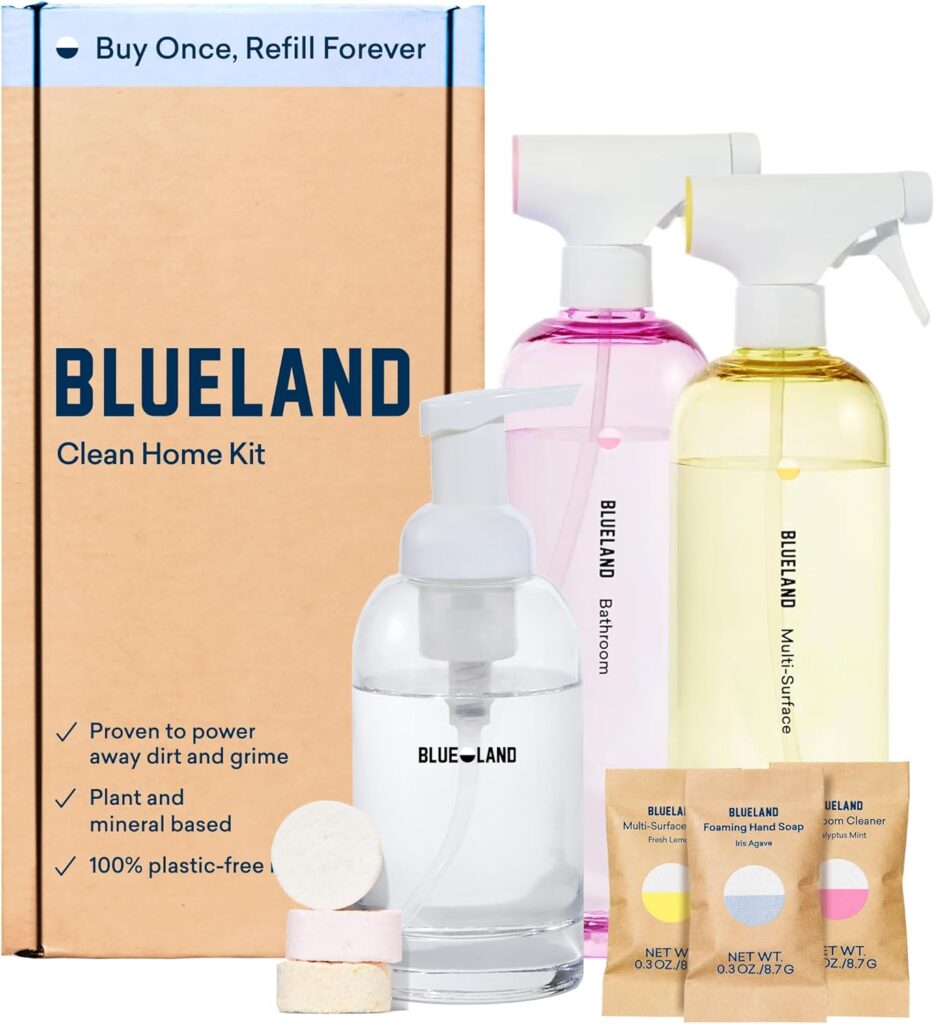
How To Switch To Environmentally Friendly Cleaning Supplies: A Fresh Start for Your Home and Planet
I’ve always believed that our choices at home matter—especially when it comes to what chemicals we invite into our living spaces. Learning how to switch to environmentally friendly cleaning supplies can make your home healthier and reduce pollution that affects our entire planet. In this article, I’ll share a comprehensive guide on making the switch, explain why it matters, and offer practical tips for every budget. From reading labels to making your own cleaning solutions, let’s explore how to create a cleaner, safer, and greener home.
How To Switch To Environmentally Friendly Cleaning Supplies: Why It Matters
Every time I clean a countertop or scrub a floor, I pause to think about the products I use. Traditional cleaning supplies are filled with harsh chemicals—ammonia, bleach, phosphates—that not only pose a risk to our health but also leave a trail of environmental damage. By learning how to switch to environmentally friendly cleaning supplies, I’ve discovered that every small change contributes to a bigger, positive impact on both my family’s health and the ecosystem.
Understanding the Risks of Traditional Cleaning Products
Let’s be honest: the conventional cleaning products most families use are a double-edged sword. They work well, but they also release toxic fumes and chemicals that linger in your home and eventually make their way into our waterways. Consider these key points:
- Harsh Chemicals: Ingredients like ammonia, bleach, phosphates, and phthalates can cause respiratory issues, skin irritations, and may even disrupt hormones.
- Environmental Impact: These chemicals don’t vanish. They travel through our water systems, contaminating aquatic ecosystems and affecting wildlife.
- Family Health Concerns: Kids and pets are particularly at risk because they breathe more air relative to their size and are more likely to come into close contact with these residues.
By learning how to switch to environmentally friendly cleaning supplies, you’re not just choosing a product—you’re choosing a healthier lifestyle for the ones you love and the planet we share.
How To Switch To Environmentally Friendly Cleaning Supplies: The Dangers Lurking in Your Cleaning Cabinet
It’s easy to be unaware of just what’s in those bleach bottles and multipurpose sprays. Traditional cleaning supplies often hide a cocktail of dangerous chemicals behind terms like “fragrance” or “cleaning agents.” Here’s a closer look at what you might be bringing into your home:
Recognizing the Harmful Ingredients
When I started scrutinizing product labels, I discovered many everyday cleaners include:
- Ammonia: Common in glass and window cleaners, it can irritate your eyes, nose, and throat. When mixed with other chemicals, it creates toxic fumes.
- Bleach: Found in kitchen and bathroom cleaners, bleach can cause severe respiratory issues and skin burns, especially if mixed accidentally with other cleaning agents like ammonia.
- Phosphates: Typically used in laundry detergents and multi-surface cleansers, these substances promote algae blooms in water systems which suffocate aquatic life.
- Phthalates: Often cloaked under the vague term “fragrance,” these chemicals can interfere with hormone production and are especially concerning for children and pregnant women.
- Formaldehyde & VOCs: These ingredients evaporate into the air, affecting indoor air quality, and have been linked to headaches, dizziness, and even cancer over prolonged exposure.
- Triclosan and Para-dichlorobenzene: Found in antibacterial soaps and air fresheners, these chemicals disrupt beneficial bacteria and have been associated with long-term health risks.
Once you start asking questions about the products you use, it becomes clear that learning how to switch to environmentally friendly cleaning supplies is a matter of protecting your family’s well-being.
How To Switch To Environmentally Friendly Cleaning Supplies: Steps to Begin Your Transition
Switching to greener cleaning practices might sound daunting if you’ve relied on chemical-laden products your whole life. But the truth is, it’s simpler than you think. I began my transition with one or two products and gradually replaced the others, reducing the risk of overwhelming my routine. Here are my actionable steps:
Step 1: Audit What You Already Have
Before venturing into new purchases, take a look around your home. Many eco-friendly cleaning solutions might already be in your kitchen. For example:
- Baking Soda: A powerhouse for scrubbing and neutralizing odors.
- White Vinegar: Excellent for cutting grease, disinfecting surfaces, and removing stains.
- Lemon Juice: Perfect for a fresh scent and natural antibacterial properties.
After identifying these staples, you can gradually reduce your reliance on commercial products. I also discovered that you can shop smartly; check out affordable eco-friendly options on EcoCasaLife or read related articles on their blog.
Step 2: Start with Your Most-Used Products
I always felt overwhelmed thinking I needed to replace every cleaning product at once. Instead, I started with items I used most frequently:
- All-Purpose Cleaners: Switch your daily kitchen and bathroom cleaner for an eco-friendly alternative.
- Laundry Detergent: Consider biodegradable options as outlined in the article on Best Biodegradable Laundry Detergents of 2024.
- Window Cleaners and Dish Soap: Focus on these staples first to gradually evolve your routine.
This gradual approach has multiple benefits: it minimizes waste, saves your budget, and allows you to adapt to new cleaning methods at your own pace.
Step 3: Read Labels and Look for Certifications
When shopping for new cleaning products, I always make sure to scrutinize the label. Look for eco-certifications from trusted organizations such as:
- EPA Safer Choice
- Green Seal
- Ecologo
These certifications are a guarantee that a product meets strict environmental standards. Avoid products that have vague ingredients listed under “fragrance” or “cleaning agents.” This transparency is crucial when learning how to switch to environmentally friendly cleaning supplies.
How To Switch To Environmentally Friendly Cleaning Supplies: Making Homemade Cleaners
One of the most liberating aspects of transitioning to green cleaning is the ability to make your own natural cleaning solutions. I’ve found that making your own cleaners is not only cost-effective but also rewarding—you know exactly what goes into every bottle!
DIY Recipes for a Greener Home
Below are some tried-and-tested recipes that I’ve integrated into my cleaning routine:
- All-Purpose Surface Cleaner: Mix 2 teaspoons of baking soda, 1 teaspoon of castile soap, and 2 cups of water in a spray bottle. This solution is ideal for countertops, appliances, and other hard surfaces.
- Glass and Window Cleaner: Combine 1 cup of water and 1 tablespoon of white vinegar in a spray bottle. For a pleasant twist, add 5 drops of your favorite essential oil like lemon or lavender.
- Bathroom Tile Scrub: Create a paste from ½ cup of baking soda and 3 tablespoons of water. Add a few drops of tea tree oil for extra disinfecting power. This is perfect for removing mold and mildew.
- Tough Grease Remover: Mix 1 cup of white vinegar with 1 teaspoon of dish soap in a spray bottle. Let it sit on greasy surfaces for a few minutes to break down baked-on grime.
- Floor Cleaner: Combine 1 gallon of warm water with 1 cup of white vinegar and 5 drops of lemon essential oil to clean hardwood, tile, or laminate floors without residue.
Not only do these recipes work effectively, but they also help you understand exactly how to switch to environmentally friendly cleaning supplies by taking control over your ingredients.
How To Switch To Environmentally Friendly Cleaning Supplies: Budget-Friendly Options
One of the most common concerns is cost. Many people mistakenly believe that green cleaning supplies are more expensive than traditional options. After doing some research and testing out homemade recipes, I learned that going green is both affordable and smart.
Smart Shopping Strategies
Here are some strategies I follow to ensure I stay within budget:
- Use What You Already Have: Items like baking soda, white vinegar, and dish soap are inexpensive and multipurpose.
- Buy in Bulk: Consider bulk options or concentrated cleaners—diluting them at home saves money and reduces packaging waste. Check out sustainable home upgrades on a budget at EcoCasaLife.
- Switch Gradually: Replace your most-used products first while using up your existing supplies. This gradual shift helps spread the cost over time.
These tips clearly illustrate that learning how to switch to environmentally friendly cleaning supplies doesn’t have to break the bank. In fact, you might even find yourself saving money as your new routine takes hold.
Eliminating Single-Use Items
Another cost-saving tip that I fully endorse is ditching single-use cleaning items. For example:
- Reusable Microfiber Cloths: Swap out paper towels for microfiber cloths, which are washable and more effective.
- DIY Refills: Consider refillable cleaning product options to cut down on packaging costs and waste.
This approach not only benefits your budget but also reduces plastic waste—a win-win when learning how to switch to environmentally friendly cleaning supplies.
How To Switch To Environmentally Friendly Cleaning Supplies: Transitioning Your Laundry Routine
Often overlooked, the laundry room is a hotspot for harsh chemicals. I realized that making my laundry routine eco-friendly was a powerful step toward complete green cleaning. Traditional laundry detergents can contain a myriad of toxic chemicals that not only irritate the skin but also have detrimental effects on our waterways.
Eco-Friendly Laundry Options
Here’s what I looked for when switching my laundry detergent:
- Biodegradable Ingredients: Choose products that break down naturally without harmful residues.
- Concentrated Formulas: These reduce the amount of product needed per wash, saving money over time.
- Mild, Natural Scents: An unscented or lightly scented detergent minimizes the risk of allergens, especially if you have sensitive skin.
If you’re curious about the best products, check out the detailed review on Best Biodegradable Laundry Detergents of 2024.
How To Switch To Environmentally Friendly Cleaning Supplies: Tips for a Seamless Transition
Transitioning doesn’t happen overnight, but each step builds momentum. I found that being mindful of my cleaning habits and making incremental changes made all the difference. Here’s how you can ensure a smooth transition:
Experiment and Evaluate
When I first started experimenting with eco-friendly products, I let myself adjust without the pressure to be perfect. Consider these tips:
- Start with One Product: Replace your all-purpose cleaner first, then move on to other products.
- Keep a Journal: Note which products work well and what adjustments you need to make.
- Be Patient: Sometimes eco-friendly products require a little extra time to work effectively. Allow yourself time to adapt your technique.
This gradual approach ensures that the shift feels manageable and less intimidating. Remember, every small purchase is a step toward learning how to switch to environmentally friendly cleaning supplies permanently.
Embrace Transparency
Reading labels and understanding ingredients builds confidence. Always opt for products that clearly list their components. If something seems vague or suspicious, it’s best to avoid it. Transparency is key when you’re making choices that affect your health and the planet.
How To Switch To Environmentally Friendly Cleaning Supplies: Real Stories and Everyday Examples
I remember the first time I replaced my conventional cleaning supplies with eco-friendly alternatives. I was pleasantly surprised by how effective and simple it was. Instead of fighting stubborn chemical residues or harsh odors, my home began to smell naturally fresh, and I could see the difference in my family’s energy levels. It wasn’t just about cleaning—it was about feeling empowered to make a responsible choice.
Many of my friends have also shared their own success stories. One neighbor mentioned that switching to natural cleaning recipes reduced her family’s allergy symptoms drastically. Another shared how her kids enjoyed helping with homemade cleaners because they could see and measure the ingredients. These personal experiences underscore the value of learning how to switch to environmentally friendly cleaning supplies not only for a spotless home but also for improved quality of life.
How To Switch To Environmentally Friendly Cleaning Supplies: FAQs
What are the health benefits of switching to eco-friendly cleaning supplies?
Eco-friendly cleaning supplies reduce exposure to harsh chemicals that can cause respiratory issues, skin irritations, and allergic reactions, leading to a healthier living environment.
How can I identify truly eco-friendly cleaning products?
Look for recognized certifications such as EPA Safer Choice, Green Seal, or Ecologo on the labels, and read the ingredient lists carefully for transparency.
Is it more expensive to go green with my cleaning supplies?
Not necessarily. Many eco-friendly options, especially DIY recipes, are cost-effective, and buying in bulk or choosing concentrated formulas can further save money.
Can I make all my cleaning products at home?
Absolutely! Many natural ingredients like vinegar, baking soda, and essential oils can be used to create effective cleaning solutions for various household tasks.
How do eco-friendly laundry detergents compare to traditional ones?
Eco-friendly laundry detergents are designed to clean just as well without harmful residues, and they are typically biodegradable and milder on sensitive skin.
How To Switch To Environmentally Friendly Cleaning Supplies: Final Thoughts
Taking the leap to switch to environmentally friendly cleaning supplies is one of the most impactful choices you can make. By replacing chemical-heavy products with natural alternatives—whether through purchasing certified eco-friendly brands or creating your own cleaning solutions—you are not only protecting your family and pets from exposure but also contributing to a healthier ecosystem.
This journey has transformed my cleaning routine and lifestyle. I now feel empowered, knowing that I am actively reducing my household’s carbon footprint and toxins while supporting companies dedicated to sustainability. Every small change adds up to a significant collective impact. For more tips and inspiring ideas on living a sustainable lifestyle, visit EcoCasaLife and explore their 10 Easy Zero Waste Swaps For Your Home article.
If you ever feel overwhelmed by the transition, remember to take it one step at a time. Replace one product, one habit, and soon you’ll see that learning how to switch to environmentally friendly cleaning supplies is not a daunting task—it’s a journey towards a greener, healthier future. Your efforts today ensure a cleaner tomorrow for everyone you love and the world we all share.
So why not start now? Take a look in your cleaning cabinet, choose one product to replace, and notice the difference in the air you breathe. I promise you, your home and the planet will thank you for it.