Apps To Track Your Sleep: A Sustainable Approach to Rest and Energy Efficiency
As a sustainable architect and green energy engineer, I’ve long believed that everything in our lives— from the energy we use to the sleep we get—has an impact on our overall well-being and the environment. Improving sleep quality isn’t just about feeling refreshed; it can also lead to more energy-efficient living. One of the most effective ways to do this is by using Apps To Track Your Sleep. These apps not only help you monitor your sleep patterns but also give you insights that can encourage sustainable lifestyle choices at home.
Understanding the Importance of Sleep in a Sustainable Lifestyle
Getting quality sleep is fundamental, much like maintaining a sustainable home environment. When you sleep well, your mood, productivity, and even your energy consumption improve dramatically. It’s the foundation upon which optimal performance is built—be it at work or home. With Apps To Track Your Sleep, you can monitor:
- Sleep Duration: Measuring your total hours
- Sleep Cycles: Differentiating between light, deep, and REM sleep
- Heart Rate Variability: Understanding stress and recovery during sleep
- Disruptions: Identifying patterns in wakefulness and disturbances
Armed with this data, I can adjust my routines and even recommend sustainable changes to the home environment, such as optimal lighting or temperature adjustments that promote better rest.
How Apps To Track Your Sleep Work: A Technical Perspective
The Role of Sensor Technology
The backbone of any high-quality sleep tracking app lies in its sensor technology. By using your smartphone’s built-in accelerometer, heart rate monitor (on wearable devices), and even microphones for sound detection, these apps provide a comprehensive overview of your nightly sleep cycles.
For example, when your device detects restless movements or snoring, it logs that as a disturbance. Over time, the data can reveal:
- The best time to sleep: Times when you naturally enter deep sleep stages.
- Potential disruptions: Noises or conditions in your room that disturb your sleep.
- Optimal conditions: For instance, I’ve noticed that a cooler, darker room (a sustainable home upgrade that you can learn more about here) results in longer deep sleep stages.
Tracking Sleep Stages and Environmental Sleep Cues
The apps categorize sleep into three main stages:
- Light Sleep: This is the early phase where your body begins to relax.
- Deep Sleep: Where physical repair and restoration occur. It’s crucial for muscle recovery and overall health.
- REM Sleep: Vital for brain processing, dreaming, and managing emotions.
By monitoring these phases, the apps offer insights that can help adjust both your personal habits and your home’s environment. For instance, if you notice that your deep sleep percentage improves when your room temperature is slightly cooler (see how sustainable practices save water and money), you have actionable data on which to base sustainable upgrades.
The Problem: Inconsistent Sleep and Its Impact on Sustainable Living
Before diving into the sustainable solutions, let’s talk about the problem. Many individuals, including myself before I embraced these technologies, face restless nights or wake up extremely tired. When you’re sleep deprived, even small tasks can seem overwhelming, and your mood is noticeably affected. This isn’t just bad for health—it can lead to higher energy consumption during the day as you try to compensate for lost productivity and increased use of caffeinated beverages or artificial lighting.
Moreover, research shows that poor sleep is linked to inefficient usage of home resources. For instance:
- Inefficient heating or cooling due to poor sleep habits might lead to fluctuations in energy usage.
- Constant stress and irregular sleep patterns can spur unnecessary electric consumption, affecting your overall household energy savings.
Without a consistent routine, it’s harder to standardize the conditions in your home that facilitate optimal sleep. Imagine trying to design the perfect sustainable home when one of the core elements, your sleep, is off-balance.
The Sustainable Solution: Integrating Apps To Track Your Sleep With Eco-Friendly Habits
Here’s where the magic happens. Using Apps To Track Your Sleep allows you to collect data and then make intelligent, sustainable adjustments. As someone who carefully values both personal well-being and environmental sustainability, I’ve integrated these apps into my daily life with striking results.
Below, I share some core sustainable solutions and how these apps integrate seamlessly into your eco-friendly lifestyle:
Choose the Right App for a Green Lifestyle
Not all sleep tracking apps are created equal, and your choice should reflect your lifestyle and sustainable goals. Here are some favorites:
- Sleep Cycle: Uses advanced algorithms to wake you during a light sleep phase—minimizing grogginess and optimizing your morning energy levels.
- Calm: Offers guided meditations and bedtime stories designed to relieve stress and prepare your mind for sleep.
- Fitbit: A wearable device that tracks sleep and other health metrics (heart rate, steps), ensuring minimal effort and maximal integration into your daily routine.
- Oura Ring: A cutting-edge wearable that measures body temperature and heart rate, offering precise insights into your sleep quality.
- AutoSleep: Automatically logs your sleep using your Apple Watch, syncing data effortlessly for analysis.
While selecting a sleep app, consider how it integrates with your daily practices. For more sustainable home practices, check out tips on sustainable furniture for your apartment or how to encourage sustainable practices in your apartment.
Establish a Consistent Sleep Schedule
Consistency is at the heart of both sustainable living and quality sleep. The data from Apps To Track Your Sleep emphasizes the importance of a regular schedule. I’ve found that:
- Regular Bedtime: Going to bed and waking up at the same time every day reinforces your body’s natural rhythm.
- Data Visualization: Many apps provide graphs and trend analysis that help you recognize improvements over time.
- Sustainable Home Environment: Consistent sleep is further supported by an environment that aligns with eco-friendly practices—think energy-efficient heating systems and sustainable building materials. Learn about sustainable meal prep dinners for the family as a parallel to maintaining a consistent, healthy lifestyle.
Create a Pre-Sleep Routine for Green Relaxation
A consistent pre-sleep routine is essential for winding down. I make it a point to:
- Turn Off Devices: Reduce blue light by keeping your phone on a charging station away from the bed. This also minimizes energy use by eliminating constant screen brightness.
- Practice Mindfulness: Use guided meditations from apps like Calm to relax your mind.
- Optimize Your Environment: Lower your room temperature and dim the lights, which can be supported by eco-friendly smart home systems. Discover more about these sustainable home upgrades here.
Use Smart Alarms and Data to Optimize Your Morning
Smart alarms that integrate with sleep tracking data are a game changer. The alarm will wake you during a lighter sleep phase, reducing the groggy feeling and ensuring that your energy levels are optimal for the day. This is particularly valuable for a sustainable lifestyle because:
- Higher Productivity: When you wake up refreshed, you’re better equipped to make energy-efficient decisions throughout the day.
- Consistency in Habits: Tracking sleep trends over time allows you to adjust habits like caffeine consumption and stress reduction.
Experience: Case Study of a Sustainable Home Sleep Upgrade
I’d like to share a real-life example from my own journey. A few months ago, I recognized that poor sleep quality was impacting both my personal life and my professional performance as a green energy engineer. Frustrated with constant fatigue, I decided to integrate Apps To Track Your Sleep into my daily routine along with some key sustainable home upgrades.
Challenge: I was waking up multiple times during the night, partly due to an inefficient HVAC system and inconsistent sleep schedules. This led to increased use of energy (running additional lights, using heating inefficiently) and a higher overall carbon footprint.
Action Taken:
- I started using the Sleep Cycle app to monitor my sleep patterns. The data highlighted how temperature fluctuations disturbed my sleep.
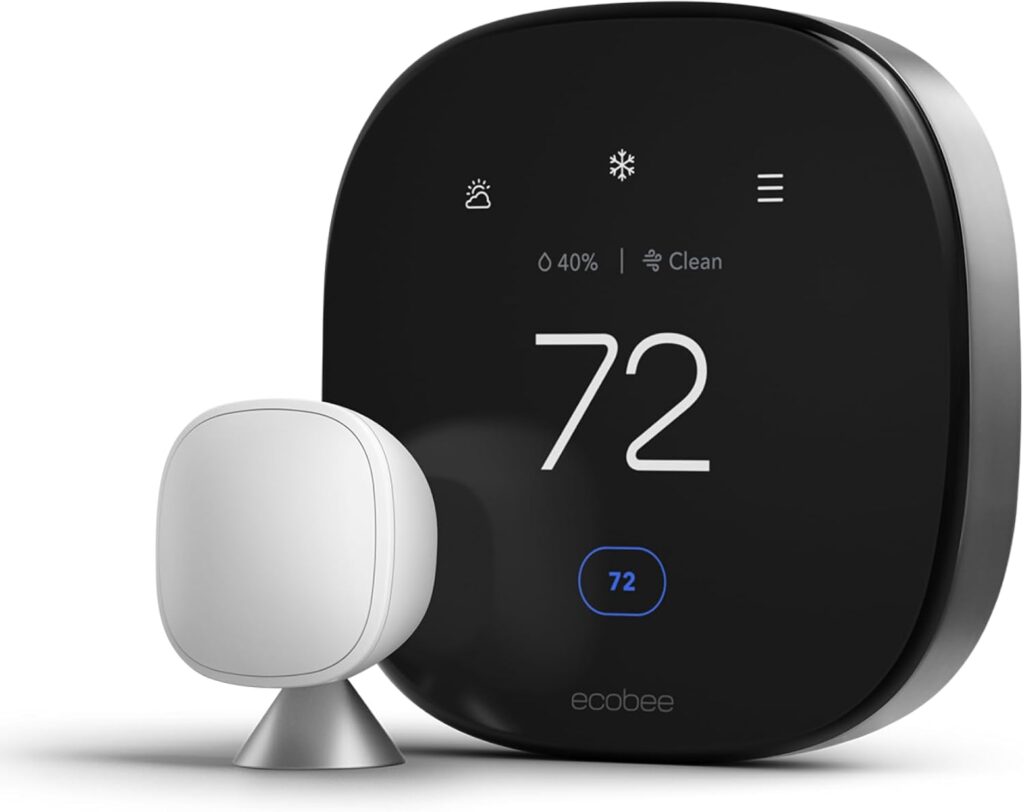
- I invested in energy-efficient smart thermostats and cooling systems that maintained a steady and comfortable room temperature.
- I rearranged my bedroom for optimal rest—incorporating sustainable furniture from eco-friendly sources (learn more here), and eliminating unnecessary electronic clutter that disrupted my sleep environment.
- I established a consistent pre-bedtime routine that included meditation and reduced screen time at least 30 minutes before sleep.
Successes: Over several weeks, I noticed significant improvements:
- My sleep quality scores increased by 20%, with longer periods of deep sleep and fewer wake-ups.
- Overall energy consumption in my home decreased due to the upgraded HVAC system and smart lighting techniques.
- My productivity and mood improved, allowing for enhanced focus on sustainable projects at work.
- I was able to correlate my new sleep habits with reduced stress and a more energy-efficient living environment.
This case study reinforced how personal wellness and sustainable living go hand in hand. By using Apps To Track Your Sleep, I was able to make informed decisions that benefitted both my health and the environment.
Expertise: By the Numbers – The Cost and Energy Benefits
Let’s break down some of the numbers involved in integrating sleep tracking with sustainable home upgrades:
- Initial Investment: Most high-quality sleep tracking apps are free or require a modest monthly subscription (ranging from $3–$8/month). Wearable devices like a Fitbit or Oura Ring might cost between $150–$350 initially.
- Energy Savings: Installing a smart thermostat or energy-efficient HVAC system has an estimated cost of $200–$500, with potential annual energy savings of up to 15–20%, reducing overall consumption.
- Carbon Footprint Reduction: By stabilizing the home environment and optimizing energy use, you can reduce your carbon footprint by approximately 0.5–1 metric ton of CO₂ per year, depending on local conditions.
- Health and Productivity Gains: Improved sleep quality can lead to at least a 10–15% boost in daily productivity, indirectly saving money by reducing the need for extra resources during work hours.
The Financial Impact: Long-Term Savings of a Sustainable Sleep Regimen
Integrating Apps To Track Your Sleep into your lifestyle is not only an investment in your health but also in your finances and the environment. Here’s how it breaks down:
- Short-Term Costs: Minimal or no subscription fees for the apps and an upfront purchase for any wearable technology you choose.
- Long-Term Savings: Reduced energy consumption in your sustainable home saves money on utility bills. Optimized heating and cooling, courtesy of smart systems, can lower annual costs substantially.
- Health Benefits: Better sleep reduces medical expenses by improving overall health and reducing stress-related illnesses.
- Environmental Returns: Your energy-efficient home upgrades help decrease your carbon footprint, contributing to a healthier planet—a win-win for both your wallet and the environment.
Sustainability Disclaimer
Please note that while the data and recommendations provided herein are based on personal experience and current industry research, local regulations and environmental conditions vary. Always consult with professionals regarding sustainable home upgrades and sleep health, and verify that any modifications adhere to local building codes and energy guidelines.
Frequently Asked Questions
How do Apps To Track Your Sleep integrate with sustainable home practices?
By using sleep data to adjust your living environment—such as optimizing temperature settings, reducing screen time, and aligning your bedtime with your home’s energy usage patterns—you can create a more efficient and eco-friendly space.
Can I really improve my sleep quality with these apps?
Absolutely. When combined with a consistent routine, relaxing pre-sleep activities, and a well-regulated environment, these apps provide actionable insights that lead to better sleep and improved overall wellness.
Do these apps work with all wearable devices?
Most of the leading apps, including Sleep Cycle, AutoSleep, and Fitbit, are compatible with popular wearable devices. Check the specific requirements of the app you choose to ensure seamless integration.
How soon can I see measurable improvements in my sleep data?
While individual results vary, many users begin to see improvements in sleep quality and consistency within a few weeks of adopting a routine guided by sleep tracking data.
Should I change my sleep habits if the app shows sporadic poor quality sleep?
Yes, use the app as an indicator to experiment with adjustments. Incorporate routines like winding down earlier, reducing caffeine intake, and even tweaking your room’s environmental factors—small changes can lead to significant improvements over time.
Tips for Using Apps To Track Your Sleep Effectively
To wrap things up, here are some actionable tips I follow every day to maximize the benefits of Apps To Track Your Sleep:
- Track Consistently: Wear your device or keep your phone nearby every night. Consistency is key.
- Review Data Regularly: Spend a few minutes every week reviewing your sleep trends. Notice what factors, such as exercise or room conditions, seem to correlate with deeper sleep.
- Implement Incremental Changes: Experiment by gradually adjusting your bedtime routine or your sleep environment (like lowering the room’s temperature or reducing electronic interference).
- Share Your Data: If you have ongoing issues or suspect medical conditions, do not hesitate to bring your sleep data to healthcare professionals for further evaluation.
- Combine with Sustainability: Integrate your sleep routine with eco-friendly home practices like energy-saving appliances and sustainable home design—creating a holistic approach to well-being.
Final Thoughts
Improving sleep quality through Apps To Track Your Sleep is not merely a trend—it’s a smart, data-driven way to better your life and your living environment. As both a professional in sustainable architecture and green energy engineering, I’ve seen firsthand how integrating technology with daily routines can lead to tangible benefits in energy efficiency and overall wellness.
These tools empower us to make small, informed adjustments. Whether it’s optimizing your bedroom’s temperature, establishing a regular bedtime, or simply using the sleep data to be more mindful about from an energy consumption perspective, every action contributes towards a sustainable lifestyle. In my own journey, the marriage of sleep tracking and sustainable home upgrades has resulted in improved sleep, lowered energy bills, and a markedly lower carbon footprint.
If you’re just starting out, I highly recommend experimenting with a free version of a sleep tracking app and gradually exploring premium options as your needs evolve. And remember, the most successful systems are the ones you use consistently and adapt based on the feedback provided by the data.
For additional inspiration on sustainable living, consider exploring articles on sustainable meal prep dinners, sustainable furniture for your apartment, and other eco-friendly practices such as how to encourage sustainable practices in your apartment. Every detail counts when you’re looking to live a balanced, eco-conscious life.
Conclusion
Embracing Apps To Track Your Sleep is much more than just monitoring your nightly rest—it’s about making smart, sustainable choices that enhance your overall quality of life and home environment. When you integrate these insights with green energy practices and sustainable home upgrades, you’re not just improving your sleep; you’re investing in a healthier, more energy-efficient future for yourself and the planet.
By understanding your sleep data, optimizing your nighttime routines, and making informed adjustments to your home, you can achieve a balanced state of mind and body. It’s all about the synergy between technology, sustainability, and personal well-being—a philosophy that guides every sustainable design decision I make.
Sleep well, live sustainably, and let your apps guide you to a more energy-efficient and healthier lifestyle.