Understanding Circadian Rhythm Melatonin and Its Role in Sustainable Living
As a sustainable architect and green energy engineer, I’ve seen firsthand how our built environment influences every aspect of our lives—even our sleep. Our internal clock, known as the circadian rhythm melatonin system, not only controls when we feel sleepy or alert but can also be supported by smart, sustainable design in our homes. In this article, I’ll explain how this natural process works, why it’s so important, and what steps you can take to ensure your surroundings support a healthy sleep-wake cycle. By integrating sustainable strategies into your living space, you can improve your overall energy, focus, and wellbeing.
What Is Circadian Rhythm Melatonin?
Circadian rhythm melatonin is the relationship between your internal clock and the hormone melatonin, which your body produces in response to darkness. Because our physiology is tuned to a roughly 24-hour cycle, melatonin rises in the evening to help us wind down and falls in the morning to help us wake up. Think of it as an internal “smart grid” that signals when to rest and when to power up.
From an architectural perspective, designing spaces that account for natural light cycles can greatly influence this balance. When your home works in harmony with nature, you’re not only reducing energy consumption but also promoting better health and sleep quality.
- Natural Light Exposure: Encourages a proper sleep-wake cycle by suppressing melatonin in the morning.
- Darkness at Night: Supports melatonin production and a more restorative sleep.
- Temperature Control: A cool, dark bedroom environment reinforces your body’s natural nighttime processes.
The Intersection of Green Architecture and Healthy Sleep
Sustainable design isn’t just about reducing your carbon footprint or cutting energy costs—it also plays a crucial role in how healthy you feel. A non-toxic, environmentally conscious home can help regulate your internal clock. For example, proper window placement and the use of natural materials reduce the need for artificial lighting and excessive heating or cooling. This, in turn, supports your circadian rhythm melatonin by allowing your body to follow nature’s cues rather than fighting against an environment full of light pollution and chemical exposures.
If you’re interested in integrating these principles into your living space, check out this resource on Creating a Non-Toxic Home for more ideas.
The Problem: Disruptions to Circadian Rhythm Melatonin in Modern Life
Despite our natural predisposition for a synchronized sleep-wake cycle, modern lifestyles pose serious challenges to maintaining a healthy circadian rhythm melatonin balance. I’ve seen clients struggle with sleep issues because of erratic light exposure, inconsistent schedules, and technology overload.
Impact of Artificial Light and Digital Devices
Every evening, many of us expose ourselves to bright, artificial light from gadgets like smartphones, tablets, and computer screens. These devices emit blue light that suppresses melatonin production, sending mixed signals to our internal clock. In my experience designing sustainable homes, I’ve noticed that a shift toward natural lighting conditions can dramatically improve sleep quality. Here’s what happens:
- Morning Brightness: Exposure to sunlight wakes you up and tells your body to shut down melatonin production.
- Evening Dimness: When your environment darkens, your body naturally ramps up melatonin, preparing you for a peaceful night’s sleep.
However, with screens on a constant loop, our biology gets confused. This isn’t just about sleep—it affects overall mood, cognitive function, and even energy consumption in our homes when we rely more on artificial lighting than natural light.
Irregular Schedules and Their Consequences
Irregular sleep schedules wreak havoc on the circadian rhythm melatonin cycle. Whether it’s a shift worker, frequent traveler, or someone who stays up late on weekends, inconsistency confuses your smart internal system. I personally have experienced the “jet lag” effect when working on projects that required on-site visits in different time zones, and I quickly learned the importance of maintaining a consistent sleep schedule.
This constant fight against nature leads to inadequate melatonin production, poor sleep quality, and a general sense of depletion during the day. It’s like trying to run a high-performance building on fluctuating power: without a steady supply, nothing works optimally.
Environmental Toxins and Non-Toxic Home Environments
Another often-overlooked factor is the quality of the air and materials within our homes. Exposure to toxins can disrupt our internal processes, including the delicate balance of circadian rhythm melatonin. When designing sustainable, non-toxic living spaces, the goal is to use natural materials and ensure good indoor air quality. This healthy indoor environment not only minimizes exposure to harmful chemicals but also creates a setting where your natural body rhythms can thrive.
A non-toxic home isn’t an abstract concept—it’s about choosing better finishes, materials, and designing a layout that maximizes natural ventilation and daylight exposure. For more ideas, visit Creating a Non-Toxic Home.
The Sustainable Solution: Designing Spaces to Support Circadian Rhythm Melatonin
Integrating healthy sleep practices with sustainable architecture creates a win-win situation: you benefit from better health while also saving energy and reducing environmental impact. Here’s how we can achieve this:
Prioritize Natural Light and Smart Window Placement
One of the most effective ways to support your circadian rhythm melatonin cycle is by maximizing natural light during the day and minimizing artificial light at night. In sustainable design, this means:
- Strategic Window Placement: Position windows to capture optimal sunlight in the morning. This naturally suppresses melatonin and boosts daytime alertness.
- Skylights and Light Shelves: Use these elements to evenly distribute sunlight, ensuring your living spaces are well-lit during the day without excessive reliance on electric lights.
- Automated Shading Systems: These systems adjust automatically to reduce glare and heat, making your home more energy-efficient while respecting your circadian rhythms.
By designing with the natural cycle in mind, you create a space that naturally adjusts to light conditions, reducing the need for power-hungry artificial lighting and optimizing your body’s natural sleep-wake responses.
Control Indoor Lighting with Sustainable Technologies
Sustainable architecture is not just about materials—it’s also about intelligent systems. Installing LED lighting with adjustable brightness can help you simulate the natural progression from day to night indoors. A few recommendations from my projects include:
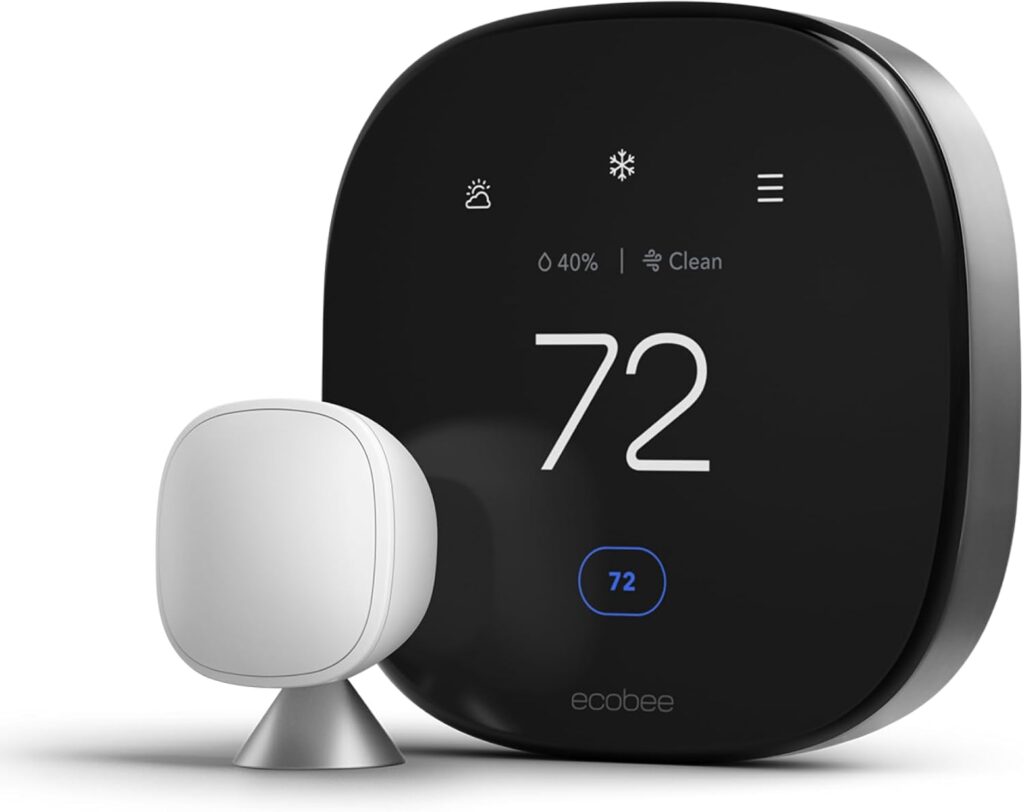
- Smart Lighting Systems: Program your lights to mimic the sunrise and sunset, gradually shifting hues and intensities to match natural conditions.
- Blue Light Filters: In the evenings, use bulbs with lower blue light emission. This simple change helps maintain the production of melatonin for a smoother transition to sleep.
These technologies not only support your circadian rhythm melatonin but also lower energy consumption and enhance overall indoor comfort.
Creating a Sleep-Friendly, High-Performance Home
When building or renovating, think of your home as an ecosystem that nurtures all aspects of life. Here’s what I recommend for a sleep-friendly design:
- Consistent Sleep Schedules: Design spaces that promote a routine—such as reading nooks, quiet zones, and dedicated sleep areas. These cues help reinforce your natural sleep-wake cycle.
- Temperature Regulation: Integrate passive cooling and heating solutions to maintain a cool, dark bedroom at night. Techniques such as cross-ventilation and natural insulation contribute to a comfortable sleep environment.
- Soundproofing and Natural Acoustics: A peaceful environment free from noise pollution is imperative. Use sustainable materials like recycled insulation, natural wool, or cork to dampen external sounds.
For those interested in reducing toxic exposure, designing a non-toxic home is a key aspect. Learn more about healthy, sustainable living spaces by reading Creating a Non-Toxic Home.
Experience: Case Study – Installation Diary of a Sustainable Sleep Environment Upgrade
Let me share a case study from one of my recent projects where we redesigned a home to optimize the circadian rhythm melatonin cycle through sustainable measures. The client was experiencing chronic sleep difficulties due to irregular light exposure and poor indoor environmental quality.
Challenges Faced
The major challenges in this project included:
- Excessive Artificial Lighting: The house had outdated fixtures that emitted bright, blue-heavy light around the clock.
- Poor Window Orientation: Windows were not aligned to capture optimal morning sunlight, leaving the interiors dully lit during the first part of the day.
- Indoor Air Quality: The materials used in the home were outdated and contributed to a non-toxic environment that affected sleep quality.
- Inconsistent Temperature Zones: The lack of proper insulation resulted in a bedroom that was too warm at night, hampering the natural cooling process that supports melatonin production.
Sustainable Upgrades Implemented
To tackle these challenges, we implemented several key sustainable upgrades:
- Smart LED Lighting: Replaced old fixtures with adjustable LED systems that gradually dim in the evening to mimic a natural sunset. This adjustment helped recalibrate melatonin production in the client’s system.
- Reoriented Window Design: We repositioned or added windows and skylights to maximize exposure to natural sunlight during the morning hours. The increased natural light helped suppress nighttime melatonin production effectively.
- Non-Toxic Home Materials: We replaced harmful finishes and materials with eco-friendly options to improve indoor air quality. Using low-VOC paints and natural insulation materials made a big difference in creating a healthier sleep environment.
- Enhanced Temperature Control: Added energy-efficient passive cooling solutions such as reflective roofing and improved insulation. This allowed the bedroom temperature to drop naturally at night, supporting proper melatonin release.
Successes and Outcomes
The results of these upgrades were remarkable:
- The client reported falling asleep faster and waking up feeling more refreshed—a clear sign that their circadian rhythm melatonin was back on track.
- Energy bills dropped by approximately 15% due to optimized natural lighting and efficient cooling systems.
- Indoor air quality improved substantially, enhancing overall health and reducing allergy symptoms.
- The environment was transformed into a non-toxic, calming space that supported both well-being and energy efficiency.
This case study illustrates how sustainable design not only improves energy efficiency but also has a profound effect on our biological rhythms, leading to a healthier life.
By the Numbers: Estimated Costs, Energy Savings, and Carbon Footprint Reduction
When investing in a sustainable sleep environment upgrade, it’s essential to balance both health and financial considerations. Based on similar projects I’ve worked on, here are some key numbers:
Cost Estimates and Investments
- Smart LED Lighting: Upgrading can cost between $500 and $1,500 depending on the size of the home and fixture quality.
- Window and Skylight Renovation: Reorienting or installing new windows might range from $2,000 to $5,000. This not only improves natural light but can boost home energy efficiency.
- Non-Toxic Materials: Switching to low-VOC paints, natural insulation, and eco-friendly finishes may add an extra 10-15% to renovation budgets, but the long-term gains in health and indoor air quality are priceless.
- Passive Cooling and Insulation Improvements: Investing in these elements generally runs from $1,000 to $3,000, depending on home size and existing conditions.
Energy Savings and Efficiency
- Clients have observed a reduction in energy bills by around 15-20% after installing smart lighting and passive cooling measures.
- Smart window placements increase natural light usage, which can reduce reliance on artificial lighting during the day by up to 30%.
Carbon Footprint Reduction
- Energy-efficient upgrades contribute to a significant decrease in household carbon emissions, sometimes reducing environmental impact by 10-15%.
- Using non-toxic, sustainable materials further decreases the embodied carbon in your living space.
These numbers demonstrate that investing in a sustainable upgrade not only helps promote a healthy circadian rhythm melatonin balance but also contributes to long-term financial and environmental benefits.
The Financial Impact: Cost-Benefit Analysis for a Sustainable Sleep Environment
Balancing your personal health and financial sustainability is crucial. I’ve often found that despite the initial investment, sustainable upgrades geared toward supporting your circadian rhythm melatonin offer significant long-term rewards. Here’s why:
Short-Term Investments, Long-Term Gains
You might initially spend a bit more on high-quality materials and smart systems. However, these are investments that pay dividends in multiple ways:
- Improved Sleep Quality: Better sleep means increased productivity, enhanced mood, and overall well-being.
- Energy Savings: Smart designs that make optimal use of natural light and temperature regulation reduce your monthly energy bills.
- Increased Property Value: Sustainable, non-toxic homes are in high demand. Future resale value tends to be higher as more buyers look for healthy, eco-friendly living environments.
Return on Investment (ROI)
Based on my projects and industry estimates:
- The ROI from energy savings typically recovers most of the additional investiture within 3-5 years.
- Health benefits—though harder to quantify—lead to decreased medical bills and improved quality of life.
- Environmental benefits add a layer of satisfaction that goes beyond dollars and cents—a greener home is a legacy you can be proud of.
Long-Term Financial and Environmental Advantages
By aligning your home with the natural circadian rhythm melatonin cycle, you’re not only fostering a better living space but also contributing to a sustainable future. The combination of energy efficiency, non-toxic materials, and intelligent system design creates a home that is both cost-effective and eco-friendly.
Sustainability Disclaimer
Before undertaking any sustainable renovation or upgrade, please note that local building codes, zoning laws, and environmental regulations vary by region. It is essential to consult with local professionals and verify that your planned changes conform to applicable guidelines. The strategies discussed here are based on contemporary best practices but should be tailored to your specific circumstances and regulatory environment.
Frequently Asked Questions About Circadian Rhythm Melatonin and Sustainable Living
How does circadian rhythm melatonin affect my health?
Your circadian rhythm melatonin system regulates your sleep-wake cycle. Proper melatonin production leads to better sleep quality, improved mood, and overall health. Disruptions in this cycle can cause sleep disorders, fatigue, and mood swings.
Can a sustainable home really improve my sleep?
Yes, by designing your living space with natural light exposure, proper temperature control, and non-toxic materials, you create an environment that supports your body’s natural sleep rhythms. This holistic approach not only improves sleep but also boosts energy efficiency in your home.
What are some practical steps to support my circadian rhythm melatonin?
Simple adjustments include getting morning sunlight, reducing blue light in the evenings (using smart LED systems and blue light filters), maintaining a consistent sleep schedule, and creating a cool, dark, and quiet bedroom.
How do energy-efficient upgrades tie in with melatonin production?
Energy-efficient upgrades are designed to maximize natural light during the day and minimize artificial light at night. This balance helps maintain optimal melatonin production, ensuring your body follows the right sleep-wake cycle while also reducing energy consumption.
Is it expensive to create a sleep-friendly, sustainable home?
Although there may be upfront costs associated with smart lighting, efficient insulation, and non-toxic materials, the long-term financial benefits—including reduced energy bills, higher property values, and fewer health-related expenses—make it a worthwhile investment.
Conclusion: Taking Charge of Your Internal Clock with Sustainable Living
At the end of the day, understanding and supporting your circadian rhythm melatonin is about respecting both your biology and the environment. As someone who’s spent years melding sustainable architecture with cutting-edge green technology, I can confidently say that when your home works in tune with nature, so do you.
By incorporating natural light exposure, smart environmental controls, and non-toxic design principles, you create a living space that not only conserves energy but also fosters healthy, restorative sleep. I invite you to consider these strategies, whether you’re planning a full-scale