The Benefits Of Eco-Friendly Home Lighting Options: A Smart, Sustainable Choice
Ever flipped a light switch and wondered if there was a better way to illuminate your home? I used to think that turning on a light was just a mundane part of everyday life until I discovered the many financial, environmental, and lifestyle benefits of eco-friendly home lighting options. In this article, I’m going to take you through my journey of embracing sustainable lighting and show you why switching to eco-friendly lighting is one of the smartest decisions you can make for your wallet, your home, and our planet.
The Benefits Of Eco-Friendly Home Lighting Options: Instant Savings and Long-Term Value
Switching to eco-friendly lighting isn’t just about reducing your carbon footprint—it’s about transforming the way you interact with your living spaces. When I made the change, I noticed immediate savings on my electricity bill, and over time, the benefits continued to grow. Here’s why:
- Lower Energy Consumption: Energy-efficient bulbs, especially LEDs, convert a higher percentage of electricity into light, meaning less is wasted as heat.
- Longer Lifespan: Eco-friendly bulbs outlast traditional incandescent bulbs by a wide margin, reducing replacement frequency and waste.
- Flexible Light Quality: Modern sustainable bulbs come in various color temperatures and brightness levels, so you can tailor your home’s ambiance with ease.
Every watt of energy saved on lighting is a watt not consumed by your household appliances and a step toward a more sustainable environment. For more insights on sustainable upgrades, check out Sustainable Home Upgrades on a Budget.
The Benefits Of Eco-Friendly Home Lighting Options: LED Lighting – The Game-Changer
How LED Bulbs Revolutionized My Home Lighting
I remember the day I decided to switch my old incandescent bulbs for LED options. The difference was night and day—literally. LED bulbs use about 75% less energy than traditional lights, which means that my monthly electricity bill saw a significant drop almost immediately.
Key advantages of LED lighting:
- Energy Efficiency: An LED bulb can produce the same brightness as a 60-watt incandescent bulb while using only 10 watts.
- Durability: LEDs last between 25,000 and 50,000 hours, a stark contrast to the 1,000 hours of a typical incandescent bulb.
- Customization: LEDs are available in many brightness levels and color temperatures, allowing you to choose warmer tones for relaxing evenings or cool white for more active spaces like kitchens or offices.
This transition didn’t just cut my energy bills, it also offered the freedom to experiment with smart technology. Many LED options integrate with smartphone apps, meaning I could easily change brightness or even color schemes from anywhere. It’s that ease of control that makes eco-friendly lighting a brilliant investment.
For further reading on zero waste and smart home technologies, visit our EcoCasa Life Blog.
The Benefits Of Eco-Friendly Home Lighting Options: CFL Bulbs and Other Energy-Saving Alternatives
Why I Chose CFL Bulbs for Specific Areas
While LED bulbs have become synonymous with eco-friendly lighting, I’ve also found that Compact Fluorescent Lamps (CFLs) can be a great alternative in certain situations. CFLs consume around 65% less energy than incandescent bulbs and can be a cost-effective solution, especially when you’re trying to balance upfront costs with long-term savings.
Pros and Cons of CFL bulbs:
- Pros: Energy efficiency, longer lifespan (between 8,000 and 15,000 hours), and lower upfront cost than premium LEDs.
- Cons: CFLs often take a moment to reach full brightness, making them less ideal for areas where lights need to be switched on and off frequently.
For rooms where you leave lights on for extended periods, like living rooms or bedrooms, CFLs work beautifully. However, when it comes to entryways and closets where you toggle lights often, LEDs stand out as the superior choice.
The Benefits Of Eco-Friendly Home Lighting Options: Letting Nature Light the Way
Maximizing Natural Light in Your Home
One of the easiest ways I’ve managed to cut down on energy consumption is by taking full advantage of natural light during the day. Instead of leaving artificial lights on, I repositioned furniture, added larger windows, and even installed skylights in my home. The results were simply remarkable.
Here’s how you can maximize natural lighting:
- Install larger windows or skylights to allow more sunlight.
- Use mirrors to reflect and disperse natural light throughout your home.
- Opt for light-colored walls that enhance the brightness of your space.
The natural sunlight not only boosts your mood and helps provide vitamin D but also significantly reduces your reliance on electrical lighting during the day. Combined with energy-efficient lighting for the evening, the savings are impressive!
The Benefits Of Eco-Friendly Home Lighting Options: Smart Lighting Systems for Effortless Efficiency
How I Integrated Smart Lighting into My Daily Routine
One of my favorite upgrades was installing a smart lighting system. Not only does it offer a futuristic edge to my home, but it also ensures that energy isn’t wasted on lights sitting idle. These systems are a real game-changer.
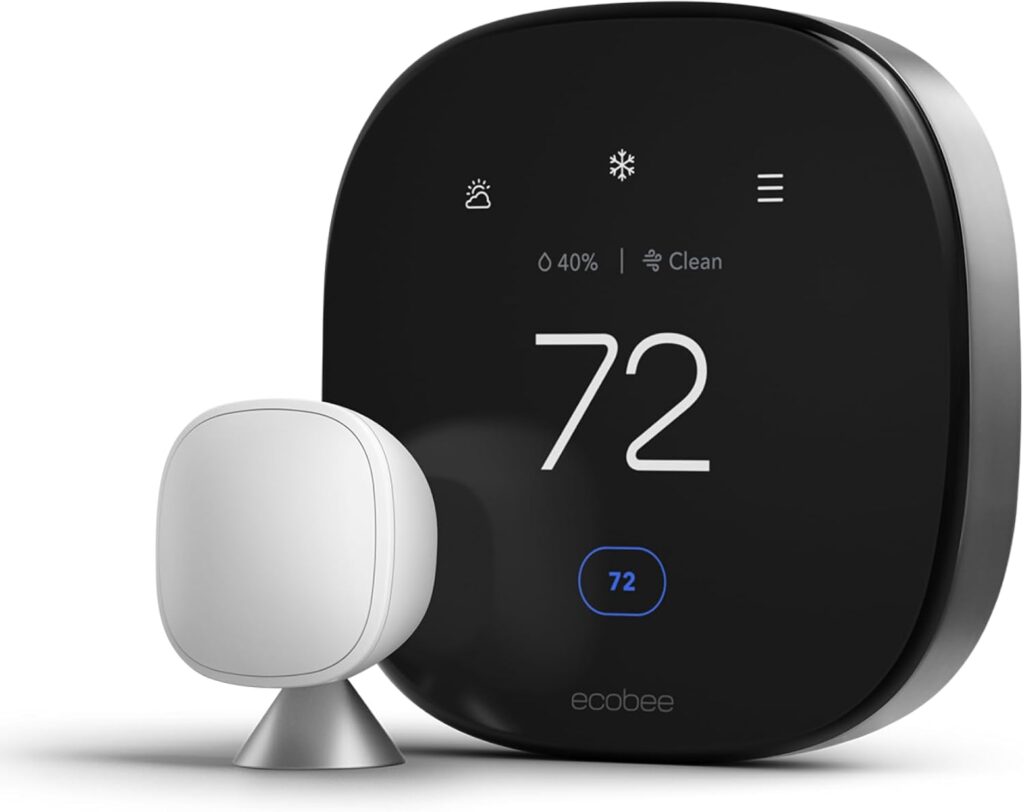
Smart lighting uses motion sensors and programmable timers to detect occupancy, so lights automatically turn on when you enter a room and shut off after you’ve left. Imagine never having to worry about switching off the lights when you forget—it’s all done for you!
Key features of smart lighting systems include:
- Remote Control: Manage your lighting from anywhere using your smartphone. Forgot to turn off the porch light? No problem—you can do it from anywhere!
- Automation: Set schedules so lights automatically turn on at sunset and off at bedtime.
- Energy Monitoring: Get real-time insights on your energy consumption, helping you identify additional areas to improve efficiency.
This level of control and efficiency is not just convenient—it’s also a significant contributor to lowering your overall energy demand. For more tips on how to reduce energy waste, you might enjoy reading 10 Easy Zero Waste Swaps for Your Home.
The Benefits Of Eco-Friendly Home Lighting Options: Financial and Environmental Impacts
Seeing Real Savings on Your Energy Bills
When I calculated the actual savings from switching to sustainable lighting, the numbers were astounding. Traditional lighting solutions could account for 10% to 15% of the total energy bill in many households, but by switching to energy-efficient alternatives, I managed to cut that expense by up to 75% in some cases. This translated into annual savings ranging from $100 to $300, depending on usage.
Over a period of 10 years, the cumulative savings were well over $1,000—not to mention the reduced hassle and cost of constantly replacing burnt-out bulbs. The initial investment in LED or smart lighting might seem steep, but the long-term financial benefits make it a no-brainer.
Plus, every kilowatt-hour saved means less demand on power plants, which ultimately results in lower greenhouse gas emissions. Switching your lighting is a simple yet powerful step toward reducing your carbon footprint.
Environmental Advantages That Extend Beyond Your Home
Eco-friendly lighting options are not only good for your finances—they also contribute significantly to a healthier environment. Here’s why this matters:
- Reduced Carbon Emissions: When you use less electricity, power plants burn fewer fossil fuels. Over time, this leads to cleaner air and a lower carbon footprint.
- Less Electronic Waste: Longer-lasting bulbs mean fewer replacements and, consequently, less waste ending up in landfills.
- Sustainable Manufacturing: The production process for modern LED bulbs is becoming increasingly eco-friendly, reducing the overall environmental impact.
Just imagine, every small change you make contributes toward a global reduction in pollution. For further eco-friendly lifestyle tips, explore Biodegradable Laundry Detergents that are making a difference in everyday living.
The Benefits Of Eco-Friendly Home Lighting Options: Real-Life Stories and Practical Tips
My Journey to a Greener, Brighter Home
I wasn’t always an eco-warrior. Like many, I started out unaware of how my lighting choices affected my energy bills and the environment. It wasn’t until I noticed the high cost of constantly replacing burnt-out bulbs and the escalating electricity bills that I began to explore better alternatives.
By switching to LED and smart lighting systems, the improvements were palpable:
- Immediate Savings: The reduction on my monthly bill was one of the first signs that I had made a smart financial choice.
- Less Maintenance: With bulbs lasting 25,000 to 50,000 hours, I no longer had to worry about frequent replacements.
- Better Ambience: I could easily adjust brightness and color to suit the mood of a cozy evening or a productive work session at home.
This change not only provided comfort but also reassured me that I was contributing toward a more sustainable future.
For even more inspiration on creating an eco-friendly home environment, visit the EcoCasa Life Homepage.
The Benefits Of Eco-Friendly Home Lighting Options: Answering Your Burning Questions
Frequently Asked Questions
How do eco-friendly lighting options save money?
Eco-friendly lighting consumes less electricity and lasts significantly longer compared to traditional bulbs, reducing both your energy bills and replacement costs.
What types of eco-friendly lights are available?
The most common options include LED bulbs, CFL bulbs, and smart lighting systems that allow for programmable and sensor-based control.
Do LED bulbs really make that much of a difference?
Absolutely. LED bulbs can use up to 75-80% less energy than incandescent bulbs while also providing higher brightness and a longer lifespan.
Is the initial cost of smart lighting systems justified?
Yes, while smart systems may have a higher upfront cost, they deliver substantial savings through reduced energy use and prolonged lifespans over time.
Can eco-friendly lighting improve the comfort and health of my home?
For sure. Modern LED lighting comes in a variety of warm and cool tones, offering better light quality that can reduce eye strain and improve overall home ambience.
The Benefits Of Eco-Friendly Home Lighting Options: Practical Implementation and Tips
Step-by-Step Guide to Upgrading Your Home Lighting
If you’re wondering how to get started on the journey toward eco-friendly lighting, here are some actionable tips based on my own experience:
- Start Small: Replace the bulbs in your highest use areas first, such as the kitchen and living room. This impacts both energy savings and comfort.
- Mix and Match: Use LED bulbs for frequently used spaces and consider CFLs for areas where lights are on for long periods without being switched frequently.
- Upgrade to Smart Systems: Install smart lighting systems in areas where you can take advantage of motion sensors and automated scheduling. This ensures lights operate only when needed.
- Maximize Natural Light: Open blinds, rearrange furniture, and use reflective surfaces to enhance the natural light in your home during the day.
- Monitor Your Savings: Keep an eye on your monthly energy bills to track the savings from your eco-friendly lighting upgrades.
Taking these steps not only improves your immediate living conditions but also sets the stage for long-term financial and environmental benefits.
The Benefits Of Eco-Friendly Home Lighting Options: A Note on Compatibility and Installation
Simple Installation, Big Impact
One thing that pleasantly surprised me was how easy it was to integrate eco-friendly bulbs into my existing fixtures. Most energy-efficient bulbs are designed to fit standard sockets, which means you don’t need to hire an electrician or make major modifications to your home. Simply unscrew your old bulbs and replace them with the new ones.
Even if you’re renting, there are plenty of portable smart lighting options that plug right into wall outlets—no permanent changes required. I’ve even heard stories from friends who installed a few eco-friendly options in high-traffic areas, and the difference was both immediate and satisfying.
For those looking for a few more budget-friendly ideas for sustainable home improvement, check out Sustainable Home Upgrades on a Budget.
The Benefits Of Eco-Friendly Home Lighting Options: The Future is Brighter
Long-Term Environmental Impact
When you switch to eco-friendly home lighting options, you’re not just saving money today—you’re investing in a healthier planet for the future. Each bulb that’s replaced contributes to an overall reduction in energy demand from the power grid, meaning fewer fossil fuels burned and cleaner air for everyone.
Consider the ripple effects: reduced greenhouse gas emissions, less water used for power plant cooling, and a significant decrease in hazardous waste generated by outdated bulb technology. It’s a decision that goes well beyond your own home.
I often think about how small changes in everyday life can lead to tremendous global benefits. Just like using eco-friendly detergents or incorporating zero waste habits, switching your lighting is a manageable yet meaningful way to do your part. For more sustainable living tips, you can read interesting pieces like 10 Easy Zero Waste Swaps for Your Home.
The Benefits Of Eco-Friendly Home Lighting Options: Wrapping It Up
Conclusion: A Brighter Future Starts with a Single Choice
To sum it all up, eco-friendly home lighting options represent a convergence of environmental responsibility, cost savings, and improved home comfort. The switch to LEDs, CFLs, and smart lighting has transformed the way I think about energy use—and I believe it can do the same for you.
Every time you flick a switch, you hold the power to make a positive impact. Not only do these sustainable lighting choices lower your energy bills and reduce replacement costs, but they also play a key role in cutting down greenhouse gas emissions and waste. As I’ve experienced firsthand, the journey to a smarter, greener home begins with this very choice.
So why wait? Start your transition today, one room at a time. Whether it’s upgrading your living room lights to efficient LEDs, setting up automatic sensors in your hallway, or simply maximizing natural daylight, every little bit helps. The benefits of eco-friendly home lighting options are huge—and the future of our planet depends on every decision we make.
Remember, a brighter home is a brighter future. So join me in embracing the change, and let’s make a difference—together.
FAQs About The Benefits Of Eco-Friendly Home Lighting Options
What makes eco-friendly lighting more efficient than traditional bulbs?
Eco-friendly lighting, primarily LEDs and CFLs, convert more energy into light rather than heat, which means less wasted power and lower electricity bills.
How long do LED bulbs typically last?
LED bulbs can last between 25,000 and 50,000 hours, significantly reducing the need for frequent replacements.
Do smart lighting systems really help in reducing energy consumption?
Yes, smart lighting systems use sensors and automation to turn off lights when not needed, ensuring lights operate only when necessary.
Can eco-friendly lighting options work with my existing fixtures?
Absolutely. Most eco-friendly bulbs are designed to fit standard light sockets, making them easy to install without any major modifications.
Will switching to eco-friendly lighting impact the appearance of my home?
Modern LED and smart lighting options provide excellent light quality, with customizable brightness and color temperatures that enhance your home’s ambience.
If you’re still curious or have more questions, I encourage you to explore more about sustainable living on the EcoCasa Life Homepage and dive into related articles at our blog.
Embracing the benefits of eco-friendly home lighting options is one of the simplest and most impactful decisions you can make. With immediate savings on your energy bills, a reduced environmental footprint, and the ability to control and customize your home’s lighting with ease, there’s no reason not to take the plunge.
Remember, every small step counts—so why not start by switching to a single LED bulb today? Your home, your wallet, and our planet will thank you for it. Let’s light up our future sustainably!