
Best Zero-Waste Home Starter Kits (Simple Bundles to Get Started)
Starting a zero-waste lifestyle can feel overwhelming when every room has multiple disposable products. Zero-waste home starter kits simplify the process by bundling practical, reusable essentials into one coordinated set—making it easier to begin without overthinking every purchase.
This guide explains what zero-waste starter kits usually include, who they’re best for, and how to choose a kit that fits your home and routine.
This content is for informational purposes only and does not replace product care, hygiene, or food-safety guidance.
What Is a Zero-Waste Home Starter Kit?
A zero-waste home starter kit is a curated bundle designed to:
Replace common disposable household items
Reduce packaging and plastic waste
Introduce reusable alternatives gradually
Simplify the transition to low-waste living
Save time compared to buying items individually
Kits focus on convenience and coverage, not perfection.
Why Starter Kits Work So Well
Starter kits help because they:
Remove decision fatigue
Ensure compatible products
Offer better value than single purchases
Create quick visible progress
Encourage consistent use
They’re especially helpful for people new to zero-waste habits.
Who Zero-Waste Starter Kits Are Best For
These kits are ideal for:
Beginners exploring zero-waste living
Households wanting a structured start
Renters who want portable solutions
Gift buyers
People short on time for research
They’re less useful for households already using many reusables.
How We Evaluated Zero-Waste Home Starter Kits
We focused on kits that:
Include genuinely reusable essentials
Avoid novelty items
Use durable, food-safe materials
Cover multiple household areas
Are widely available and consistently reviewed
Quality matters more than quantity.
What’s Commonly Included in Zero-Waste Starter Kits
1. Reusable Kitchen Essentials
Often includes:
Reusable food storage bags
Beeswax or silicone wraps
Reusable produce bags
These items replace high-use disposables.
2. Reusable Cleaning Supplies
Common items:
Reusable cleaning cloths
Natural scrubbers or brushes
Refillable spray bottles
They reduce paper towel and wipe usage.
3. Low-Waste Bathroom Items
May include:
Bamboo toothbrushes
Reusable cotton rounds
Bar soap or shampoo bars
These focus on personal care waste reduction.
4. Storage & Organization Accessories
Some kits include:
Glass containers
Stainless steel tins
Small storage jars
These help keep reusables accessible.
Types of Zero-Waste Starter Kits
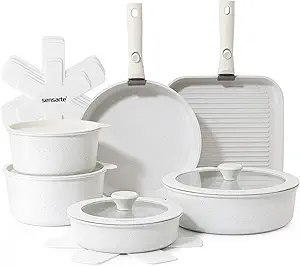
1. Kitchen-Focused Starter Kits
Best for: Food-related waste
Emphasize storage and wraps
Ideal for frequent cooks
Easy daily use
2. Bathroom-Focused Starter Kits
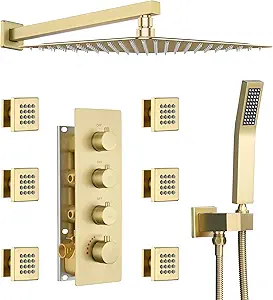
Best for: Personal care routines
Replace disposables
Good for individuals
Compact and travel-friendly
3. Whole-Home Starter Kits
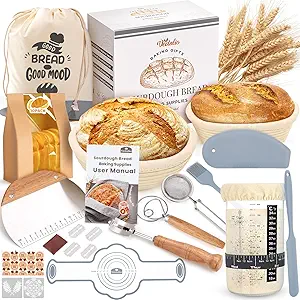
Best for: Full household transition
Include kitchen, bathroom, and cleaning items
Higher upfront cost
Most comprehensive option
4. Minimal Starter Kits
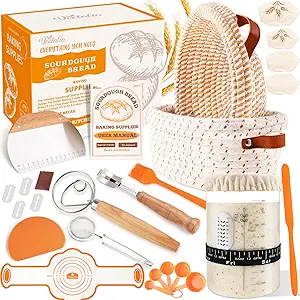
Best for: Testing the lifestyle
Fewer items
Lower commitment
Easy entry point
Materials to Look For in Starter Kits
Silicone
Flexible and durable
Food-safe
Long lifespan
Organic Cotton & Bamboo
Renewable fibers
Washable and reusable
Common in cloth products
Glass & Stainless Steel
Non-porous
Long-lasting
Fully recyclable
What to Avoid When Choosing a Starter Kit
Be cautious with kits that:
Include low-quality novelty items
Use unclear materials
Overload with unnecessary products
Are difficult to clean or maintain
Replace disposables with fragile alternatives
A smaller, higher-quality kit is usually better.
How to Use a Starter Kit Successfully
Start with the most-used items
Store items where you’ll reach for them
Clean and maintain regularly
Add individual items only when needed
The goal is consistency, not speed.
Are Zero-Waste Starter Kits Worth It?
For many households, yes:
They reduce waste immediately
Save time researching products
Offer bundled value
Make habit formation easier
They’re especially useful for beginners.
Frequently Asked Questions
Are starter kits hygienic?
Yes, when items are cleaned and maintained properly.
Are they good gifts?
Yes—especially whole-home or kitchen kits.
Do kits save money?
Often compared to buying items separately.
Can I customize later?
Yes—starter kits are a foundation, not a limit.
Final Thoughts
Zero-waste home starter kits make sustainable living approachable by bundling practical, reusable essentials into one simple purchase. The best kits:
Focus on everyday items
Use durable materials
Avoid gimmicks
Support long-term habits