
Best Sustainable Everyday Essentials
Sustainable everyday essentials are practical products designed for daily use that reduce waste, minimize environmental impact, and replace disposable or short-lived alternatives. Many everyday household items are used briefly and discarded repeatedly, creating constant waste and unnecessary consumption.
Sustainable everyday essentials focus on durability, reusability, and responsible materials. When chosen intentionally, they help households lower waste output, simplify routines, and support long-term sustainable living without sacrificing convenience.
This guide explains what sustainable everyday essentials are, why they matter, which items deliver the most value, and how to choose the best options for zero-waste living.
What Are Sustainable Everyday Essentials?
Sustainable everyday essentials are frequently used household and personal items designed for long-term use with minimal environmental impact.
They typically:
replace disposable daily-use products
use durable or renewable materials
reduce packaging and plastic waste
support repeated use over time
Their impact comes from consistency and frequency of use.
Why Sustainable Everyday Essentials Matter
Everyday items generate the most waste because they are used repeatedly. Sustainable everyday essentials help by:
reducing daily disposable waste
lowering long-term household costs
minimizing plastic and packaging use
supporting intentional consumption
simplifying sustainable routines
Small daily changes create large cumulative impact.
Who Sustainable Everyday Essentials Are Best For
Sustainable everyday essentials are especially suitable for:
households transitioning to zero-waste living
people simplifying daily routines
eco-conscious individuals and families
minimalists focused on functionality
anyone reducing unnecessary consumption
They work well across all experience levels.
How We Evaluated Sustainable Everyday Essentials
We focused on essentials that:
replace high-use disposable items
last significantly longer than alternatives
are easy to maintain and clean
integrate naturally into daily routines
provide clear sustainability benefits
Usability and longevity were evaluated together.
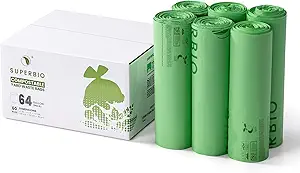
Common Types of Sustainable Everyday Essentials
1. Reusable Daily Carry Items
bottles, bags, and containers
reduce on-the-go waste
2. Durable Household Basics
long-lasting tools and accessories
minimize replacement frequency
3. Refillable and Low-Waste Products
reduce packaging waste
support bulk purchasing
4. Multi-Purpose Essentials
fewer items for multiple uses
simplified household systems
Starting with everyday essentials delivers consistent results.
Key Features to Look For
durability and build quality
ease of cleaning and maintenance
low-waste or plastic-free packaging
responsible material sourcing
versatility for daily use
Avoid products that require frequent replacement.
Common Mistakes to Avoid
buying duplicates unnecessarily
prioritizing aesthetics over function
replacing items that still work
choosing fragile materials
overcomplicating daily routines
Sustainability improves with simplicity.
Frequently Asked Questions
Do sustainable essentials really reduce waste?
Yes, especially when used consistently.
Are sustainable products expensive?
They often save money over time through durability.
Can sustainable essentials replace most disposables?
Many daily disposables have durable alternatives.
Are sustainable essentials convenient?
Well-designed products integrate easily into routines.
Final Thoughts
Sustainable everyday essentials form the backbone of zero-waste living. By focusing on durable, reusable products used daily, households can reduce waste at its source while simplifying routines and lowering long-term consumption.
For zero-waste living, sustainable everyday essentials provide the most consistent and lasting environmental benefits.