
Best Smart Thermostats for Energy Saving (Practical Control That Pays Off Over Time)
Heating and cooling account for a large share of household energy use. Smart thermostats help manage that use more efficiently by automating schedules, learning routines, and reducing unnecessary runtime—without constant manual adjustment.
This guide explains what makes a smart thermostat energy-efficient, which features matter most in real homes, and how to choose one that fits your system and lifestyle.
This content is for informational purposes only and does not replace manufacturer specifications or professional installation guidance.
What Makes a Smart Thermostat Energy-Efficient?
Energy-saving smart thermostats typically:
Automate heating and cooling schedules
Reduce runtime when homes are empty
Optimize temperature changes gradually
Provide usage insights to guide adjustments
Maintain comfort while minimizing waste
Efficiency comes from behavior + automation, not just hardware.
Why Smart Thermostats Are a High-Value Upgrade
Compared to many home upgrades, smart thermostats:
Offer fast feedback on usage
Require no structural changes
Work year-round
Improve comfort consistency
Help avoid heating/cooling when it’s not needed
Used well, they support steady, incremental savings.
Who Smart Thermostats Are Best For
They’re especially useful for:
Homes with regular schedules
Work-from-home setups
Households that forget manual adjustments
Multi-room homes with varied usage
People who want visibility into energy patterns
They’re less effective if schedules change constantly and automation is ignored.
How We Evaluated Smart Thermostats
We focused on thermostats that:
Are compatible with common HVAC systems
Offer intuitive controls (app + wall unit)
Provide scheduling and automation features
Display clear energy usage data
Are widely available and well reviewed
Ease of use is critical—complex setups reduce real savings.
Key Features That Actually Save Energy
Scheduling & Automation
Set heating/cooling by time of day
Reduce runtime overnight or during work hours
Adjust gradually to avoid spikes
Occupancy Detection
Uses motion or phone location
Lowers output when rooms are empty
Works best in predictable households
Remote Control
Adjust temperatures from anywhere
Useful for travel or unexpected schedule changes
Prevents unnecessary heating/cooling
Energy Reports & Insights
Show usage trends
Help identify inefficiencies
Encourage smarter adjustments over time
Types of Smart Thermostats
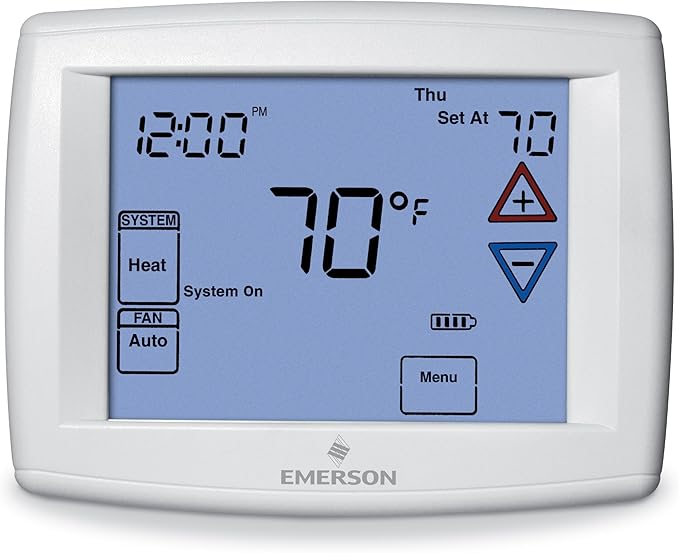
1. Programmable Smart Thermostats
Best for: Simple scheduling
Manual schedules
App-based control
Good entry-level option
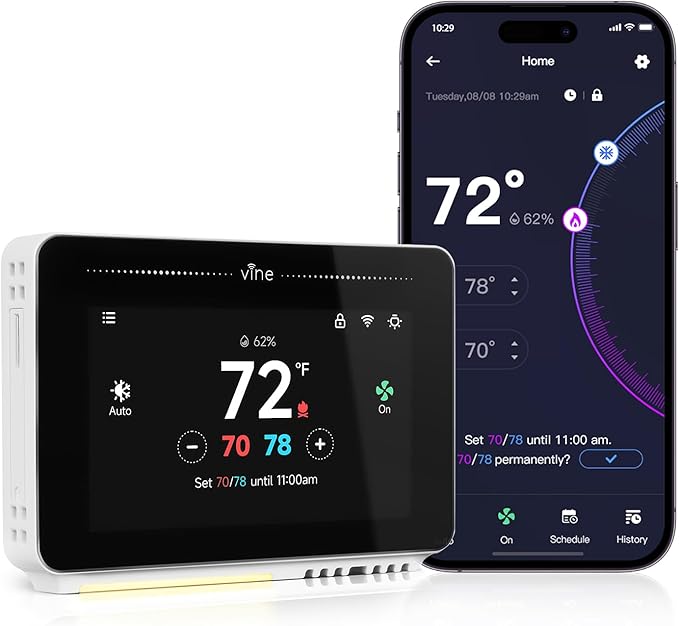
2. Learning Smart Thermostats
Best for: Hands-off optimization
Adapt to routines
Reduce manual setup
Require a short learning period
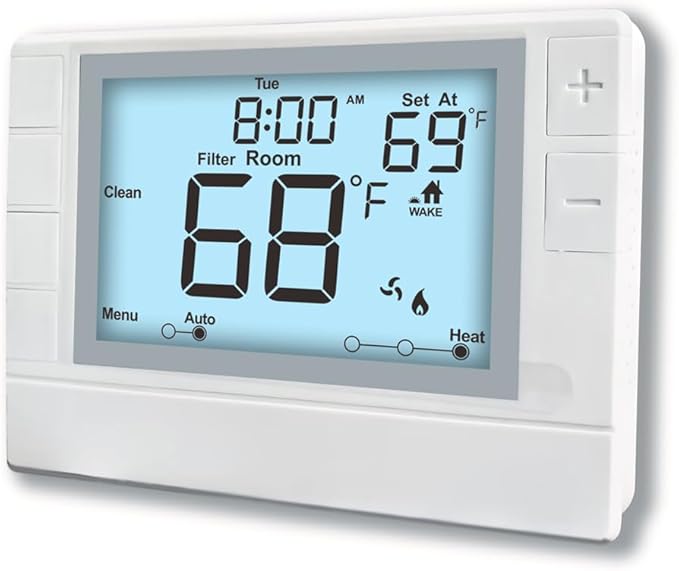
3. Zoned System Thermostats
Best for: Larger homes
Control different areas separately
Improve comfort balance
Higher upfront cost, more control
Compatibility Matters (Check Before Buying)
Confirm compatibility with:
Your heating system type
Cooling system (if applicable)
Wiring (C-wire requirements)
Radiant, boiler, or heat pump systems
Compatibility is more important than features.
Installation: DIY vs Professional
Many smart thermostats support DIY installation
Older systems may need professional help
Incorrect wiring reduces performance and safety
Always follow manufacturer instructions.
What to Avoid When Choosing a Smart Thermostat
Be cautious of thermostats that:
Don’t support your HVAC system
Have confusing interfaces
Require constant manual input
Overpromise unrealistic savings
Lock essential features behind subscriptions
Simple, reliable control wins.
How to Maximize Energy Savings
Set realistic temperature ranges
Use schedules consistently
Avoid frequent manual overrides
Review energy reports monthly
Adjust seasonally
Savings come from habit + automation, not instant results.
Frequently Asked Questions
Do smart thermostats really save energy?
They can—especially when automation replaces manual forgetfulness.
Are savings guaranteed?
No. Savings depend on usage patterns and settings.
Are smart thermostats hard to use?
Most modern models are user-friendly once set up.
Do they work in apartments?
Yes, if compatible with the heating/cooling system.
Final Thoughts
Smart thermostats support energy efficiency by helping households use heating and cooling more intentionally. The best options:
Fit your HVAC system
Offer clear automation
Improve comfort without constant adjustments
Provide insights that guide better habits