
Best Smart Thermostats for Energy Saving
Smart thermostats for energy saving are designed to optimize heating and cooling by automatically adjusting temperatures based on usage patterns, schedules, and real-time conditions. Traditional thermostats rely on manual control, often leading to unnecessary energy use when homes are unoccupied or temperatures are poorly managed.
Smart thermostats focus on efficiency, automation, and data-driven control. When chosen carefully, they can significantly reduce energy consumption, lower utility bills, and improve overall home comfort.
This guide explains what smart thermostats for energy saving are, why they matter, how they work, and how to choose the best options for sustainable home efficiency.
What Are Smart Thermostats for Energy Saving?
Smart thermostats are connected temperature control devices that automatically manage heating and cooling systems to reduce energy waste.
They typically:
learn household temperature preferences
adjust settings based on occupancy
allow remote control via apps
optimize heating and cooling schedules
Automation plays a major role in energy savings.
Why Smart Thermostats for Energy Saving Matter
Heating and cooling account for a large portion of household energy use. Smart thermostats help by:
reducing energy use when rooms are unoccupied
preventing over-heating or over-cooling
adapting schedules to daily routines
improving system efficiency over time
lowering long-term energy costs
Small temperature adjustments create substantial savings.
Who Smart Thermostats Are Best For
Smart thermostats for energy saving are especially suitable for:
homeowners seeking long-term energy savings
households with consistent daily schedules
people who travel frequently
eco-conscious families
homes with compatible HVAC systems
Some models may require professional installation.
How We Evaluated Smart Thermostats for Energy Saving
We focused on thermostats that:
provide measurable energy savings
integrate with common HVAC systems
offer intuitive controls and automation
deliver reliable connectivity
support long-term efficiency tracking
Ease of use and performance were evaluated together.
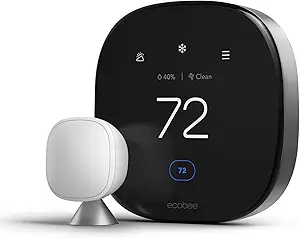
Common Types of Smart Thermostats
1. Learning Thermostats
adapt automatically to routines
reduce manual input
2. Programmable Smart Thermostats
schedule-based energy control
predictable energy savings
3. Zoned Smart Thermostats
control multiple areas independently
targeted energy optimization
System compatibility determines suitability.
Key Features to Look For
HVAC compatibility
occupancy detection
energy usage reports
remote access and control
integration with smart home systems
Avoid models without clear efficiency tracking.
Common Mistakes to Avoid
installing incompatible thermostats
disabling learning features too early
ignoring HVAC system limitations
setting extreme temperature ranges
skipping software updates
Proper setup maximizes savings.
Frequently Asked Questions
Do smart thermostats really save energy?
Yes, especially when automation features are used.
Are smart thermostats hard to install?
Some are DIY-friendly; others require professionals.
Do they work with older HVAC systems?
Compatibility varies by model and system.
Can renters use smart thermostats?
Yes, if installation is reversible and permitted.
Final Thoughts
Smart thermostats for energy saving provide one of the highest-impact sustainable home upgrades available. By automating temperature control and reducing wasted energy, they offer measurable savings while improving comfort and convenience.
For households focused on efficiency, smart thermostats are a powerful tool for long-term energy reduction.