
Best Smart Home Energy Management Systems
Smart home energy management systems are designed to monitor, control, and optimize how energy is used throughout a household. Traditional homes often consume energy inefficiently due to lack of visibility, manual control, and outdated systems.
Smart home energy management systems focus on real-time data, automation, and intelligent control to reduce energy waste and improve efficiency. When implemented correctly, they help households lower electricity costs, reduce carbon footprint, and make informed energy decisions.
This guide explains what smart home energy management systems are, why they matter, how they work, and how to choose the best options for sustainable home upgrades.
What Are Smart Home Energy Management Systems?
Smart home energy management systems are integrated technologies that track and optimize household energy use across devices and systems.
They typically:
monitor real-time energy consumption
provide usage insights and analytics
automate energy-saving actions
integrate with smart appliances and devices
Energy visibility is the foundation of efficiency.
Why Smart Home Energy Management Systems Matter
Energy waste often occurs unnoticed. Smart home energy management systems help by:
identifying high-consumption devices
reducing unnecessary standby power use
optimizing usage based on time and demand
supporting renewable energy integration
lowering long-term electricity costs
Data-driven decisions unlock consistent savings.
Who Smart Home Energy Management Systems Are Best For
Smart home energy management systems are especially suitable for:
homeowners seeking maximum energy efficiency
households with high electricity usage
homes using smart appliances
eco-conscious families
people tracking long-term energy costs
They are ideal for whole-home optimization rather than single upgrades.
How We Evaluated Smart Home Energy Management Systems
We focused on systems that:
provide accurate, real-time monitoring
offer clear, actionable insights
integrate with existing smart home ecosystems
support automation and scheduling
deliver measurable energy savings
Usability and data accuracy were evaluated together.
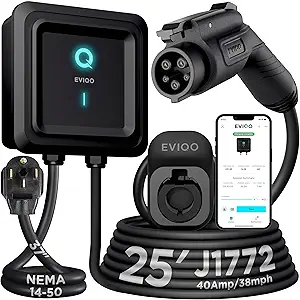
Common Types of Smart Home Energy Management Systems
1. Whole-Home Energy Monitors
track total household energy use
identify usage patterns
2. Smart Meter Integrations
utility-linked energy data
real-time consumption feedback
3. Device-Level Energy Tracking
monitor individual appliances
targeted optimization
4. Automation-Based Systems
schedule energy use
reduce peak demand
System choice depends on home setup and goals.
Key Features to Look For
real-time energy monitoring
clear usage dashboards
automation and scheduling options
compatibility with smart devices
data privacy and security protections
Avoid systems that offer data without actionable insights.
Common Mistakes to Avoid
installing without understanding energy goals
ignoring automation features
failing to review usage reports
overcomplicating system setup
neglecting software updates
Engagement is required to maximize benefits.
Frequently Asked Questions
Do energy management systems really save money?
Yes, by identifying waste and optimizing usage.
Are they difficult to install?
Some are DIY-friendly; others require professionals.
Do they work with solar panels?
Many systems support renewable energy integration.
Are they worth the investment?
They offer long-term savings and efficiency insights.
Final Thoughts
Smart home energy management systems represent the most advanced level of sustainable home upgrades. By combining real-time data, automation, and intelligent control, they empower households to reduce energy waste and optimize performance.
For eco-conscious homes focused on long-term efficiency, smart home energy management systems complete a comprehensive, future-ready sustainability strategy.