
Best Reusable Kitchen Products (Simple Swaps That Reduce Everyday Waste)
The kitchen is one of the easiest places to reduce household waste. Many disposable items—paper towels, plastic wrap, single-use bags—are used daily and replaced constantly. Reusable kitchen products are designed to replace those disposables with durable, long-lasting alternatives that fit naturally into everyday routines.
This guide explains which reusable kitchen products actually make sense, how to choose quality options, and how to build a low-waste kitchen step by step—without changing how you cook or store food.
This content is for informational purposes only and does not replace manufacturer care instructions or food-safety guidance.
What Are Reusable Kitchen Products?
Reusable kitchen products are items designed to:
Replace single-use kitchen disposables
Be washed and reused many times
Reduce packaging and plastic waste
Hold up to daily use
Maintain food safety and convenience
The goal isn’t perfection—it’s reducing repeat waste where it happens most often.
Why the Kitchen Is the Best Place to Start
Kitchen disposables add up quickly:
Paper towels
Plastic wrap
Zip-top bags
Disposable sponges
Single-use containers
Replacing even a few of these items can significantly cut weekly waste—without changing habits.
Who Reusable Kitchen Products Are Best For
These products work well for:
Home cooks
Families and shared households
Meal preppers
Renters and homeowners
Anyone tired of constantly buying disposables
They’re especially useful in small kitchens where organization matters.
How We Evaluated Reusable Kitchen Products
We focused on products that:
Replace common disposable items
Are easy to clean and maintain
Are durable enough for daily use
Use food-safe materials
Are widely available and well reviewed
Convenience matters—reusables only work if people keep using them.
Most Useful Reusable Kitchen Products
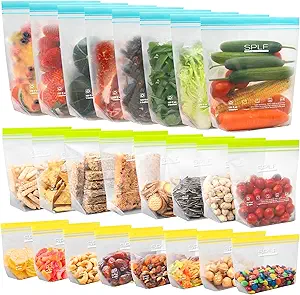
1. Reusable Food Storage Bags
Best for: Snacks, leftovers, freezer use
Reusable storage bags:
Replace single-use plastic bags
Are often made from silicone or PEVA
Work for lunches, prep, and storage
Seal tightly when well designed
Look for leak-resistant seals and easy-clean designs.
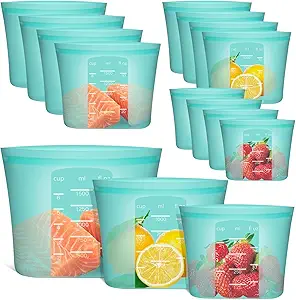
2. Silicone Food Storage Containers
Best for: Leftovers and meal prep
Benefits include:
Heat resistance
Flexibility for storage
Long lifespan
Dishwasher safety (check manufacturer)
They replace disposable containers and plastic wrap.
3. Beeswax Food Wraps
Best for: Covering bowls and produce
These wraps:
Replace plastic wrap
Mold to containers using warmth
Are reusable for months with proper care
They’re best for dry or lightly moist foods.

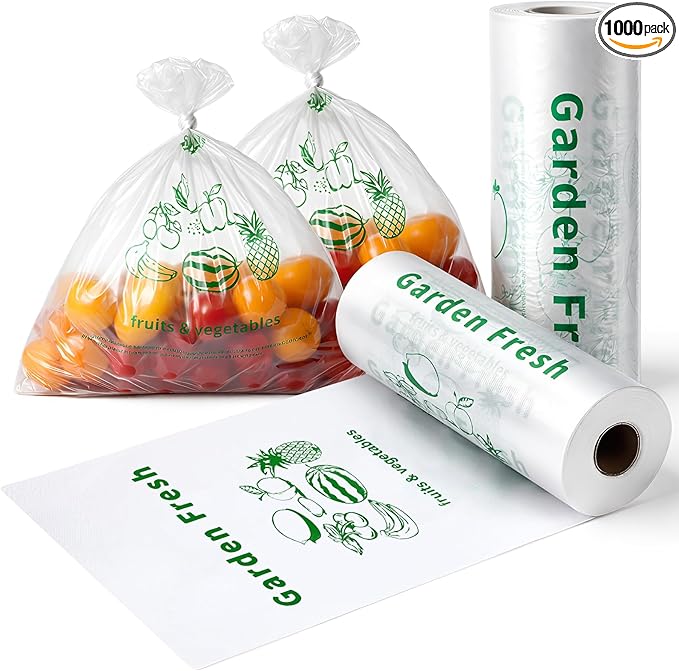
4. Reusable Produce Bags
Best for: Grocery shopping
Reusable produce bags:
Replace thin plastic grocery bags
Are lightweight and washable
Help reduce store-to-home waste
Mesh designs allow produce visibility at checkout.
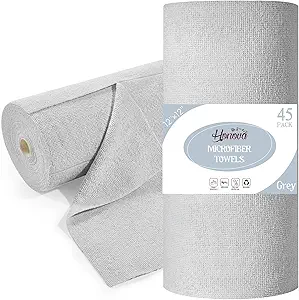
Reusable Paper Towel Alternatives
Best for: Everyday spills and cleaning
Options include:
Cotton cloths
Bamboo-based towels
Washable roll-style towels
They handle most messes paper towels do.
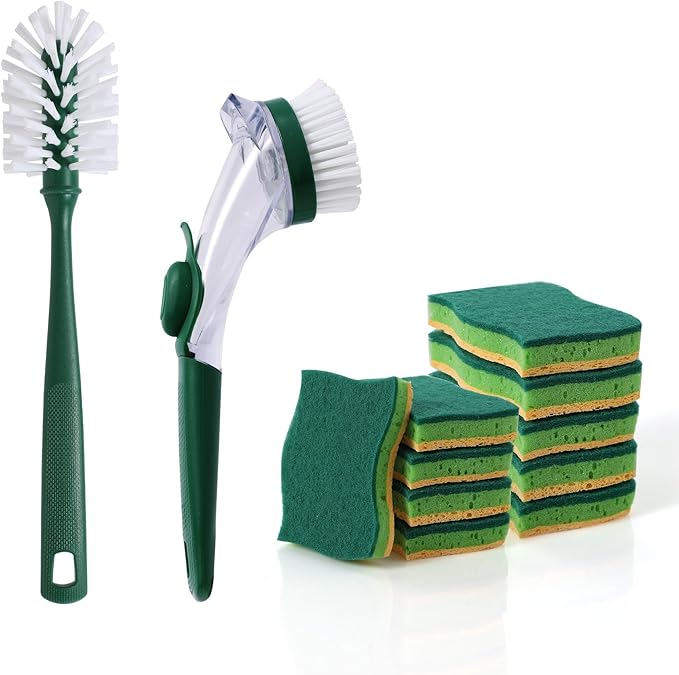
6. Durable Kitchen Sponges & Brushes
Best for: Dishwashing
Reusable options focus on:
Replaceable heads
Natural fibers
Longer lifespan than disposable sponges
They reduce frequent sponge replacement.
Materials Commonly Used in Reusable Kitchen Products
Silicone
Heat-resistant
Flexible and durable
Long-lasting when cared for properly
Organic Cotton & Bamboo
Renewable fibers
Washable and breathable
Used in towels and produce bags
Glass & Stainless Steel
Long lifespan
Non-porous and hygienic
Fully recyclable
Beeswax & Natural Resins
Used in wraps
Require gentle care
Naturally flexible
What to Avoid When Choosing Reusable Kitchen Products
Be cautious of products that:
Are hard to clean
Absorb odors easily
Use vague material descriptions
Don’t hold up to repeated use
Are marketed as reusable but wear out quickly
Durability is key to reducing waste.
How to Build a Low-Waste Kitchen Gradually
Start with the items you use most:
Storage bags or containers
Reusable towels or cloths
Produce bags
Wrap alternatives
Replace items as disposables run out—no need to rush.
Cleaning & Maintenance Tips
Wash reusable items promptly
Allow items to dry fully
Follow temperature guidelines
Replace items only when worn out
Proper care extends product lifespan significantly.
Are Reusable Kitchen Products Worth It?
Upfront costs can be higher, but:
They last longer
They reduce repeat purchases
They simplify organization
They lower long-term waste
Most households break even over time.
Frequently Asked Questions
Are reusable food bags safe?
Yes, when made from food-grade materials and used as directed.
Do beeswax wraps work for everything?
They’re best for produce and bowl covers—not raw meat.
Are reusable towels hygienic?
Yes, when washed regularly.
Are reusable products dishwasher safe?
Many are, but always check manufacturer instructions.
Final Thoughts
Reusable kitchen products are one of the simplest ways to reduce household waste without changing how you cook or store food. The best options:
Replace items you already use daily
Are easy to clean
Hold up over time
Fit naturally into your routine