
Best Eco-Friendly Cleaning Tools
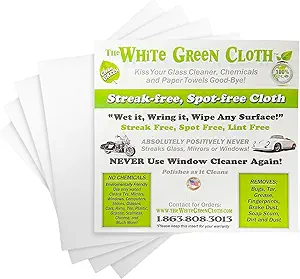
Reusable cleaning cloths are designed to replace disposable paper towels and single-use wipes with durable, washable alternatives. Traditional paper products contribute significantly to household waste and require constant repurchasing, while reusable cloths offer long-term functionality with far less environmental impact.
Reusable cleaning cloths focus on absorbency, durability, and versatility across multiple cleaning tasks. When chosen carefully, they reduce waste, save money over time, and support more sustainable daily cleaning routines.
This guide explains what reusable cleaning cloths are, why they matter, which materials perform best, and how to choose the right options for everyday home cleaning.
What Are Reusable Cleaning Cloths?
Reusable cleaning cloths are washable cloths designed for repeated use across a wide range of cleaning tasks.
They typically:
replace paper towels and disposable wipes
are machine-washable
maintain performance over many uses
reduce ongoing household waste
Material choice plays a major role in performance and longevity.
Why Reusable Cleaning Cloths Matter
Paper towels and disposable wipes are used daily in most homes. Reusable cleaning cloths help by:
significantly reducing household waste
lowering long-term cleaning costs
decreasing demand for single-use paper products
supporting low-waste and zero-waste lifestyles
providing consistent cleaning performance
Small daily swaps create substantial environmental savings.
Who Reusable Cleaning Cloths Are Best For
Reusable cleaning cloths are especially suitable for:
environmentally conscious households
families reducing paper waste
homes with frequent cleaning needs
people seeking cost-effective cleaning solutions
anyone transitioning to low-waste living
They may be less convenient for situations requiring single-use sanitation.
How We Evaluated Reusable Cleaning Cloths
We focused on cloths that:
maintain absorbency after repeated washing
resist fraying and wear
clean effectively across multiple surfaces
are easy to wash and dry
use sustainable or responsibly sourced materials
Durability and versatility were prioritized.
Common Materials Used in Reusable Cleaning Cloths
1. Microfiber (High-Quality)
strong absorbency
effective dirt capture
2. Organic Cotton
soft and breathable
biodegradable at end of life
3. Bamboo Fiber
naturally antimicrobial properties
fast-drying
4. Linen and Hemp Blends
durable fibers
long lifespan
Material choice affects performance and sustainability.
Common Uses for Reusable Cleaning Cloths
wiping countertops and tables
cleaning kitchen and bathroom surfaces
dusting furniture
drying dishes
spot-cleaning spills
Using different cloths for different tasks improves hygiene.
Key Features to Look For
high absorbency
strong stitching and edges
machine-washable durability
quick-drying properties
minimal lint shedding
Avoid cloths that lose shape or absorbency after washing.
Common Mistakes to Avoid
mixing cleaning cloths with heavily soiled laundry
using the same cloth for all surfaces
skipping proper washing routines
replacing cloths too early
choosing low-quality materials
Proper care extends lifespan significantly.
Frequently Asked Questions
How long do reusable cleaning cloths last?
Quality cloths can last months or even years with proper care.
Are reusable cloths hygienic?
Yes, when washed regularly and used correctly.
Do reusable cloths replace paper towels completely?
For most household tasks, yes.
Are microfiber cloths eco-friendly?
High-quality microfiber reduces waste, though natural fibers are more biodegradable.
Final Thoughts
Reusable cleaning cloths are one of the simplest and most effective ways to reduce household waste while maintaining strong cleaning performance. By replacing disposable products with durable alternatives, homes can lower costs and environmental impact simultaneously.
For eco-conscious households, reusable cleaning cloths are a foundational step toward sustainable, low-waste cleaning.