
Best Plastic-Free Cleaning Tools
Plastic-free cleaning tools are designed to eliminate plastic components entirely, using natural, renewable, or recyclable materials instead. Traditional cleaning tools often rely on mixed plastics that are difficult to recycle and contribute to long-term environmental pollution.
Plastic-free cleaning tools focus on material simplicity, durability, and end-of-life sustainability. When chosen carefully, they reduce household plastic waste while still delivering effective, everyday cleaning performance.
This guide explains what plastic-free cleaning tools are, why they matter, where they work best, and how to choose high-quality options for a low-impact home.
What Are Plastic-Free Cleaning Tools?
Plastic-free cleaning tools are household cleaning tools made without synthetic plastic materials.
They typically:
use wood, bamboo, metal, or natural fibers
avoid plastic handles, heads, and coatings
reduce microplastic pollution
support easier recycling or composting
Material sourcing is central to true plastic-free design.
Why Plastic-Free Cleaning Tools Matter
Many “eco” tools still contain hidden plastics. Plastic-free cleaning tools help by:
eliminating plastic waste at the source
reducing microplastic shedding
supporting circular material systems
lowering environmental impact over time
aligning with zero-waste lifestyles
Plastic-free design simplifies disposal and reuse.
Who Plastic-Free Cleaning Tools Are Best For
Plastic-free cleaning tools are especially suitable for:
zero-waste households
eco-conscious consumers
people reducing plastic exposure
kitchens and bathrooms
anyone replacing plastic cleaning accessories
They may be less suitable for disposable or specialty cleaning tasks.
How We Evaluated Plastic-Free Cleaning Tools
We focused on tools that:
contain no hidden plastic components
maintain durability with natural materials
perform effectively in daily cleaning
are comfortable to use
offer recyclable or compostable end-of-life options
Material integrity and performance were evaluated together.
Common Types of Plastic-Free Cleaning Tools
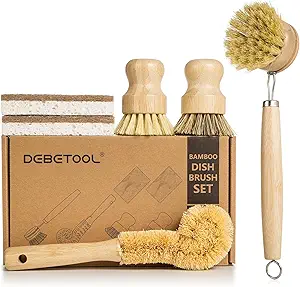
1. Wooden or Bamboo Brushes
natural handles
plant-based bristles
2. Metal Cleaning Tools
stainless steel components
long lifespan
3. Natural Fiber Cloths
cotton, linen, or hemp
biodegradable
4. Compostable Sponges and Scrubbers
plant-based materials
plastic-free construction
Tool choice depends on cleaning task and surface.
Key Features to Look For
confirmed plastic-free materials
strong, sealed handles
durable construction
easy drying and maintenance
minimal, recyclable packaging
Avoid tools marketed as plastic-free without material clarity.
Common Mistakes to Avoid
assuming wood automatically means plastic-free
leaving tools wet for extended periods
ignoring care instructions
choosing aesthetics over durability
replacing tools too early
Proper maintenance preserves performance.
Frequently Asked Questions
Are plastic-free tools durable?
Yes, many outlast plastic alternatives when cared for properly.
Do plastic-free tools clean as well?
Yes, especially for everyday household tasks.
Are they fully compostable?
Some are; others are recyclable depending on materials.
Do plastic-free tools cost more?
Some cost more upfront but last longer.
Final Thoughts
Plastic-free cleaning tools offer one of the most direct ways to reduce household plastic waste. By choosing tools made from natural or recyclable materials, homes can clean effectively while aligning with long-term sustainability goals.
For zero-waste and eco-conscious households, plastic-free cleaning tools are a powerful upgrade to everyday cleaning routines.