
Best Non-Toxic Laundry Detergents (Clean Clothes Without Harsh Residues)
Laundry detergent is one of the most frequently used household products. For many households, switching to non-toxic laundry detergents is about reducing strong fragrances, simplifying ingredients, and choosing options designed for routine washing—without sacrificing cleaning performance.
This guide explains what makes a laundry detergent non-toxic, how to choose the right format for your needs, and which features matter most for everyday use.
This content is for informational purposes only and does not replace professional, medical, or regulatory advice.
What Is a Non-Toxic Laundry Detergent?
Non-toxic laundry detergents are typically formulated to:
Avoid unnecessary harsh chemicals
Reduce heavy synthetic fragrances
Clean effectively at normal wash temperatures
Rinse clean with minimal residue
Be suitable for frequent household use
“Non-toxic” isn’t a universal legal definition, so ingredient transparency and performance matter more than labels alone.
Why People Choose Non-Toxic Laundry Detergents
Common reasons include:
Preference for lighter or fragrance-free washing
Sensitivity to strong detergent smells
Washing baby or children’s clothing
Reducing residue on fabrics
Everyday laundry in shared living spaces
For most people, it’s about comfort and consistency, not perfection.
What Non-Toxic Laundry Detergents Do (and Don’t) Do
Important clarification:
They still contain cleaning agents (surfactants)
They are not “chemical-free”
They don’t eliminate all risks for every allergy or sensitivity
They may not replace specialty detergents for heavy industrial stains
They’re designed for normal household laundry, used regularly.
Who Non-Toxic Laundry Detergents Are Best For
These detergents are well-suited for:
Daily household laundry
Mixed loads (cotton, synthetics)
Cold- or warm-water washing
Homes with children or pets
People sensitive to strong scents
They’re also popular in apartments and shared laundry spaces.
How We Evaluated Non-Toxic Laundry Detergents
We focused on detergents that:
Clearly list ingredients or standards
Avoid overpowering fragrances
Rinse clean without buildup
Work in standard washing machines
Are widely available and consistently reviewed
Cleaning effectiveness still comes first.
Common Ingredients in Non-Toxic Laundry Detergents
Plant-Based Surfactants
Derived from coconut or corn
Lift dirt and oils from fabrics
Common in liquid and pod formulas
Enzymes (Used Selectively)
Help break down stains
Used in controlled amounts
Effective at lower temperatures
Washing Soda & Baking Soda
Support cleaning and odor control
Common in powder formulas
Mildly alkaline for fabric-safe use
Fragrance Options
Fragrance-free: Best for sensitive users
Lightly scented: Usually essential-oil based
Avoid heavily perfumed products.
Types of Non-Toxic Laundry Detergents
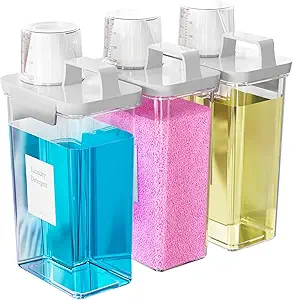
1. Liquid Detergents
Best for: General-purpose washing
Easy to measure
Good for pre-treating stains
Widely compatible with machines
2. Powder Detergents
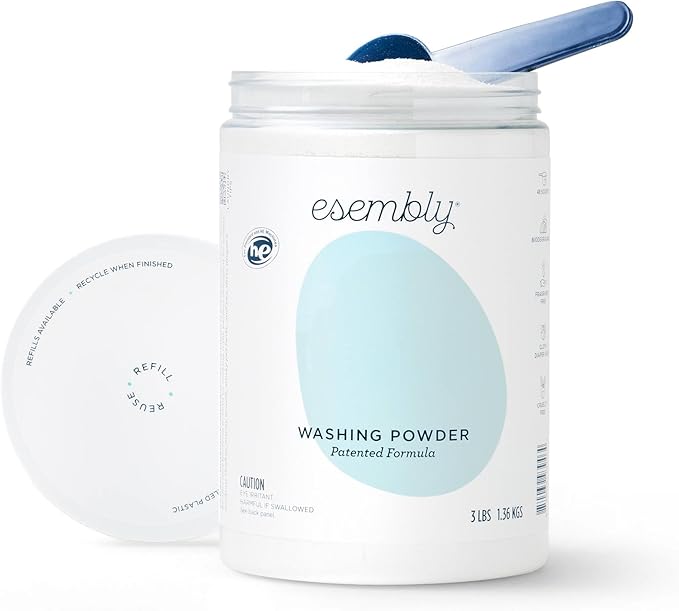
Best for: Value and low-waste setups
Long shelf life
Often minimal packaging
Effective for everyday loads
Laundry Pods (Use With Care)
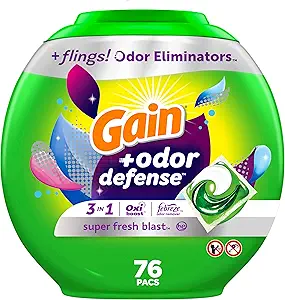
Best for: Convenience
Pre-measured doses
Less flexible for load size
Choose clearly labeled, mild formulas
4. Concentrated & Refill Options
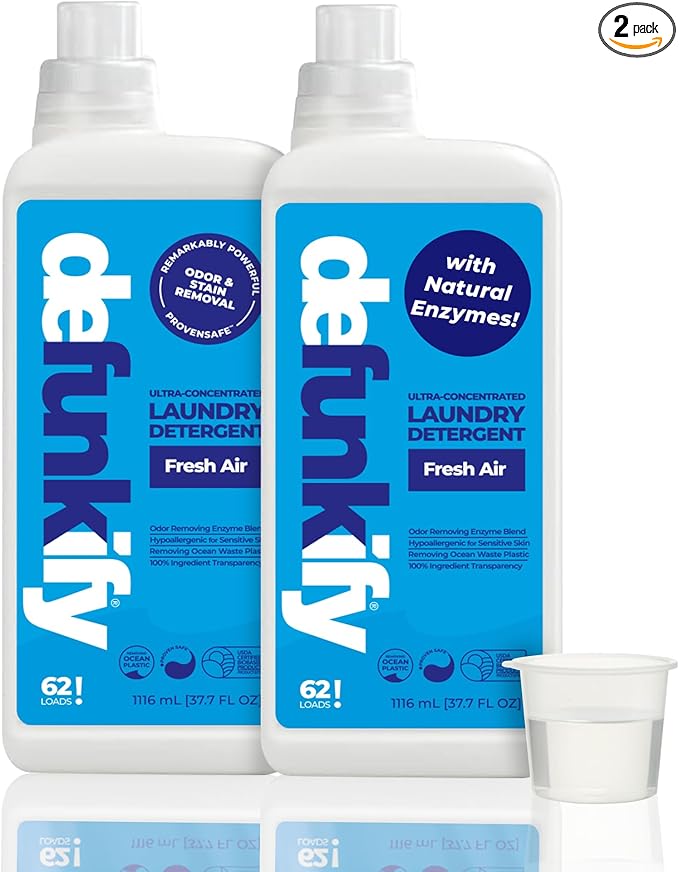
Best for: Reducing waste
Smaller bottles
Lower packaging impact
Cost-effective over time
What to Avoid When Choosing a Laundry Detergent
Be cautious with detergents that:
Don’t disclose fragrance sources
Rely on masking scents
Leave residue on fabrics
Require excessive amounts per load
Make exaggerated “health” claims
Consistency and clarity matter.
How to Build a Simple Non-Toxic Laundry Routine
A practical setup:
Choose one primary detergent
Use correct dosage (less is often enough)
Wash in cold or warm water when possible
Avoid overloading the machine
Optional additions:
Oxygen-based stain removers
Simple pre-treatment sprays
Are DIY Laundry Detergents Better?
DIY options can work, but:
Results vary by recipe
Stain removal may be inconsistent
Incorrect ratios can affect machines
Store-bought detergents offer reliability
Many households use a mix of both.
Frequently Asked Questions
Do non-toxic detergents clean as well?
Yes, for everyday laundry when used correctly.
Are fragrance-free detergents better?
Often yes for sensitive households.
Can these detergents be used in HE machines?
Most are compatible—check labels.
Are non-toxic detergents more expensive?
Sometimes upfront, but concentrates reduce long-term cost.
Final Thoughts
Non-toxic laundry detergents offer a practical way to keep clothes clean while minimizing strong fragrances and unnecessary additives. The best options:
Clean effectively
Rinse well
Work with your washing routine
Offer clear ingredient transparency