
Best Non-Toxic Dish Soaps
Non-toxic dish soaps are formulated to clean dishes, cookware, and utensils without leaving behind harmful chemical residues that can transfer to food or irritate skin. Dish soap is one of the most frequently used cleaning products in the home and often comes into direct contact with hands and food surfaces.
Non-toxic dish soaps focus on safer ingredient profiles while still cutting grease and removing food buildup effectively. When chosen carefully, they support healthier kitchens, gentler handwashing, and reduced chemical exposure.
This guide explains what non-toxic dish soaps are, why they matter, how they differ from conventional formulas, and how to choose safer options for everyday dishwashing.
What Are Non-Toxic Dish Soaps?
Non-toxic dish soaps are dishwashing liquids made without ingredients associated with skin irritation, toxicity, or long-term environmental harm.
They typically:
avoid synthetic fragrances and dyes
exclude harsh sulfates and solvents
use plant-based or low-toxicity surfactants
rinse clean without leaving residue
Non-toxic refers to ingredient safety, not reduced grease-cutting power.
Why Non-Toxic Dish Soaps Matter
Dish soap is used multiple times per day and frequently touches skin and food-contact surfaces. Non-toxic dish soaps help by:
reducing skin dryness and irritation
lowering chemical residue on dishes
improving indoor air quality
making dishwashing safer around children and pets
supporting long-term health through daily use
Repeated exposure makes safer formulations especially important.
Who Non-Toxic Dish Soaps Are Best For
Non-toxic dish soaps are especially suitable for:
households with sensitive skin
families with children or pets
people washing dishes by hand
eco-conscious households
anyone reducing chemical exposure
They may be less suitable for heavy commercial dishwashing needs.
How We Evaluated Non-Toxic Dish Soaps
We focused on dish soaps that:
clearly disclose ingredient lists
avoid known irritants and toxins
cut grease effectively
rinse clean without residue
align with non-toxic and eco-friendly standards
Cleaning performance and skin safety were evaluated together.
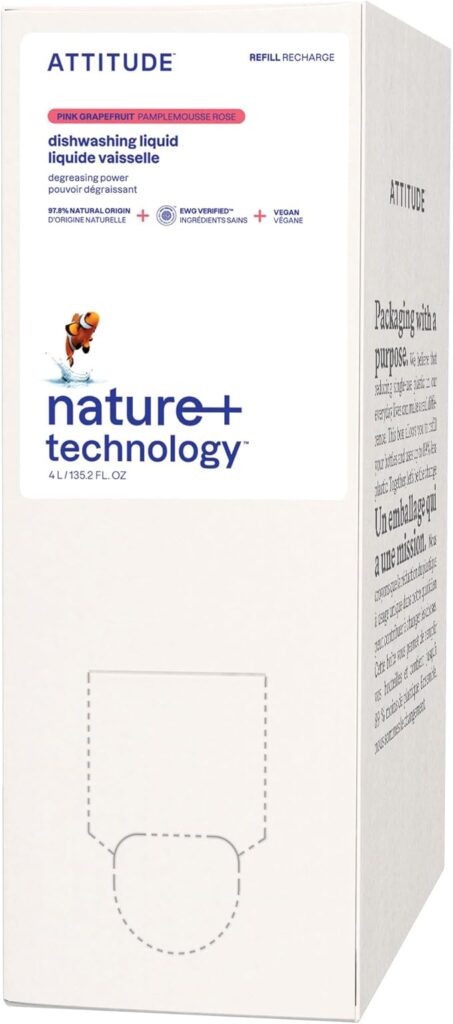
Key Features to Look For
plant-based surfactants
fragrance-free or naturally scented options
concentrated formulas for less waste
effective grease removal
recyclable or refillable packaging
Avoid dish soaps with vague “natural” claims but no ingredient transparency.
Common Mistakes to Avoid
assuming antibacterial soaps are safer
using excessive amounts of soap
ignoring ingredient labels
mixing dish soaps with other cleaners
relying on scent as a safety indicator
Correct usage improves both safety and effectiveness.
Frequently Asked Questions
Are non-toxic dish soaps effective on grease?
Yes, quality formulas are designed to handle everyday grease and food residue.
Are they safe for baby bottles and dishes?
Many are, but labels should be checked for food-surface safety.
Do they work in dishwashers?
Most are intended for handwashing unless labeled dishwasher-safe.
Do non-toxic dish soaps cost more?
Some may cost more due to ingredient sourcing.
Final Thoughts
Non-toxic dish soaps provide a safer way to keep dishes clean without exposing households to harsh chemicals or residues. By choosing transparent, well-formulated options, kitchens can stay hygienic while supporting skin health and indoor air quality.
For health-conscious households, non-toxic dish soaps are an essential everyday upgrade.