
Best Non-Toxic Cleaning Products (Safe, Effective Options for a Healthier Home)
Many people want a cleaner home without filling it with harsh chemical smells or unnecessary residues. Non-toxic cleaning products are designed to clean effectively while minimizing exposure to ingredients that some households prefer to avoid—especially in kitchens, bathrooms, and living spaces used daily.
This guide explains what non-toxic cleaning products are, how to choose them responsibly, and which types are most useful for everyday home cleaning.
This content is for informational purposes only and does not replace professional, medical, or regulatory advice.
What Are Non-Toxic Cleaning Products?
Non-toxic cleaning products are generally formulated to:
Avoid harsh or unnecessary chemicals
Use milder cleaning agents
Reduce strong artificial fragrances
Minimize residue left on surfaces
Be suitable for frequent household use
“Non-toxic” is not a regulated term in all regions, so transparency and ingredient clarity matter more than labels alone.
Why People Choose Non-Toxic Cleaning Products
Households switch to non-toxic cleaners for different reasons, including:
Preference for milder ingredients
Reducing strong chemical odors
Cleaning areas used by children or pets
Everyday surface cleaning without heavy-duty chemicals
Long-term home air quality concerns
For most people, the goal is balance—effective cleaning without unnecessary harshness.
What Non-Toxic Does (and Does Not) Mean
Important clarification:
Non-toxic does not mean “edible” or “risk-free”
It does not mean “no chemicals” (everything is chemistry)
It does not guarantee suitability for every allergy or sensitivity
It usually means the product is designed for routine household cleaning using milder formulations.
Who Non-Toxic Cleaning Products Are Best For
These products are especially useful for:
Everyday household cleaning
Kitchens and food-prep areas
Bathrooms and frequently touched surfaces
Homes with children or pets
People sensitive to strong scents
They may not replace industrial or specialty cleaners for extreme messes.
How We Evaluated Non-Toxic Cleaning Products
We focused on products that:
Clearly list ingredients or standards
Are designed for regular household use
Avoid unnecessary fragrances or dyes
Clean effectively without harsh fumes
Are widely available and consistently reviewed
Practical performance matters just as much as ingredient philosophy.
Common Ingredients Found in Non-Toxic Cleaners
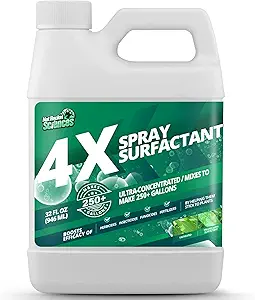
Plant-Based Surfactants
Derived from coconut or corn sources
Help lift grease and dirt
Widely used in dish and surface cleaners
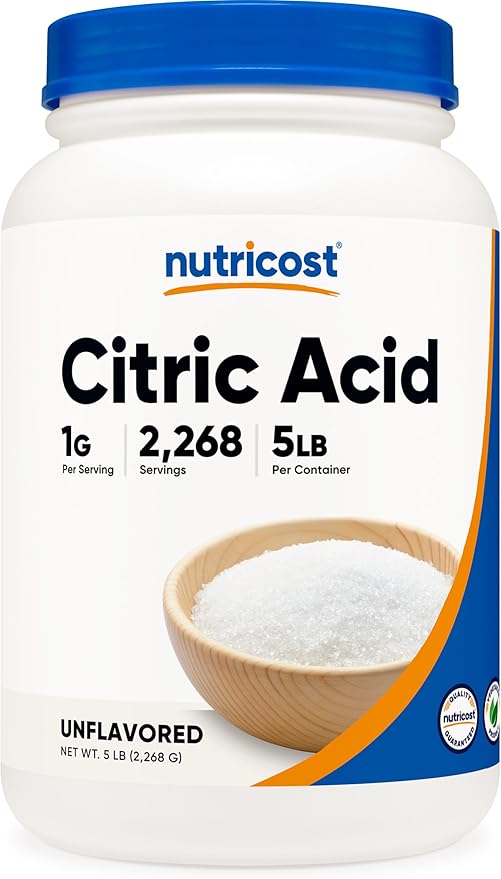
Vinegar & Citric Acid
Effective for mineral buildup
Common in bathroom and kitchen sprays
Naturally occurring acids used responsibly
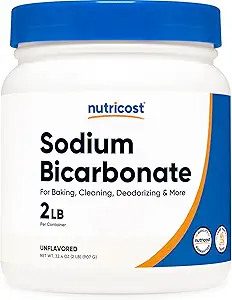
Baking Soda (Sodium Bicarbonate)
Gentle abrasive
Useful for deodorizing and scrubbing
Common in powdered or paste cleaners
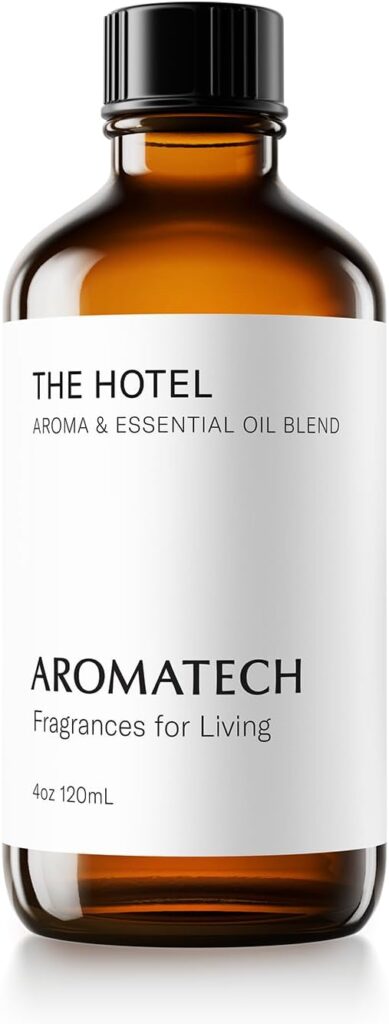
Essential Oils (Optional)
Used for light fragrance
Should be subtle, not overpowering
Not required for effectiveness
Fragrance-free options are often best for sensitive households.
Types of Non-Toxic Cleaning Products
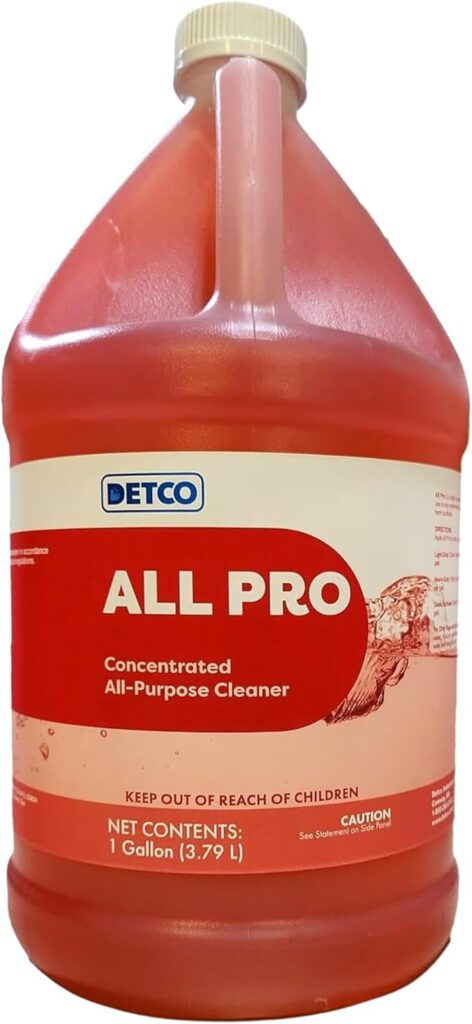
1. Non-Toxic All-Purpose Cleaners
Best for: Daily surface cleaning
Used on:
Counters
Tables
Shelves
Appliances (check manufacturer guidance)
They reduce the need for multiple specialty products.
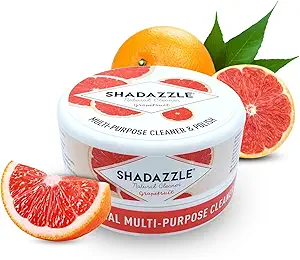
2. Non-Toxic Kitchen Cleaners
Best for: Food-prep areas
Often designed to:
Cut grease
Rinse clean
Leave minimal residue
Good ingredient transparency is especially important here
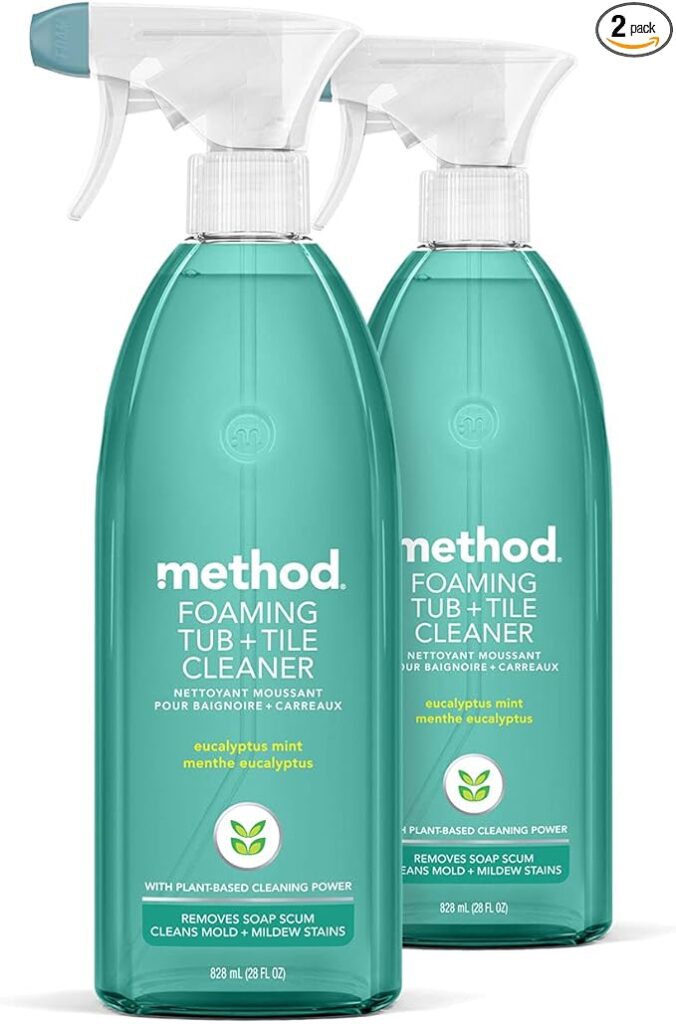
3. Non-Toxic Bathroom Cleaners
Best for: Sinks, tubs, tiles
Typically focus on:
Soap scum removal
Mineral deposits
Light disinfecting without harsh fumes
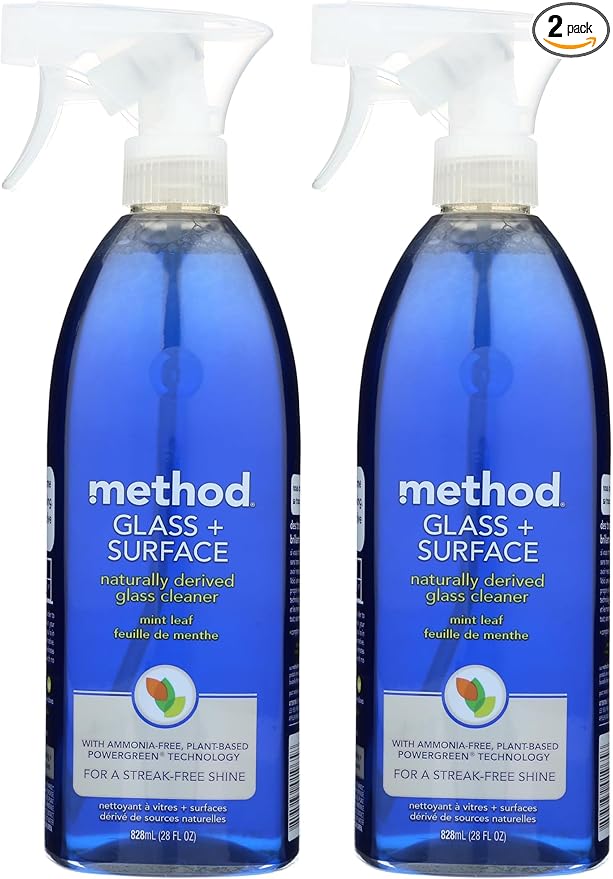
4. Non-Toxic Glass & Surface Sprays
Best for: Windows, mirrors, screens
These:
Avoid ammonia
Reduce streaking
Dry quickly without strong odors
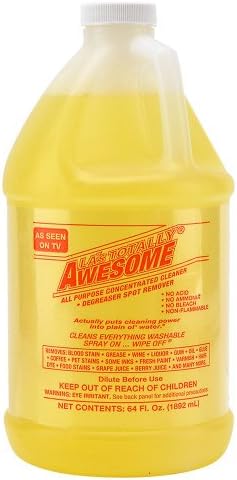
5. Concentrated & Refill Cleaners
Best for: Reducing waste
Concentrates:
Use less packaging
Last longer
Are often more cost-effective over time
What to Avoid When Choosing Non-Toxic Cleaners
Be cautious with products that:
Use vague ingredient descriptions
Rely heavily on fragrance masking
Make exaggerated health claims
Don’t disclose basic formulation details
Clean poorly and require excessive use
Transparency and performance should go together.
How to Build a Simple Non-Toxic Cleaning Setup
You don’t need dozens of products. A basic setup often includes:
All-purpose cleaner
Kitchen-specific cleaner
Bathroom cleaner
Glass or mirror spray
Optional additions:
Concentrated refills
Scrubbing paste for tough spots
Start simple and expand only if needed.
Are DIY Cleaners Better?
DIY cleaners can be useful, but:
They require proper ratios
They may not work for all surfaces
Shelf life is limited
Store-bought options offer consistency and convenience
Both approaches can coexist depending on preference.
Frequently Asked Questions
Are non-toxic cleaners effective?
Yes, for everyday household cleaning when used as directed.
Can non-toxic cleaners disinfect?
Some are designed to reduce bacteria, but not all are disinfectants. Always read labels.
Are fragrance-free cleaners better?
For sensitive households, fragrance-free is often preferable.
Are non-toxic cleaners more expensive?
Sometimes upfront, but concentrates and refills often reduce long-term cost.
Final Thoughts
Non-toxic cleaning products are a practical way to maintain a clean home while avoiding unnecessary harsh ingredients. The best options:
Clean effectively
Disclose ingredients clearly
Fit naturally into daily routines
Reduce reliance on strong chemical odors