
Best Non-Toxic Air Fresheners & Sprays (Freshen Your Home Without Heavy Fragrances)
Air fresheners are often used daily—in living rooms, bathrooms, bedrooms, and entryways. Many conventional air fresheners rely on strong synthetic fragrances that linger in the air. Non-toxic air fresheners and sprays focus on lighter scents, simpler formulations, and everyday use without overwhelming odors.
This guide explains what non-toxic air fresheners are, how they work, and how to choose options that freshen indoor spaces without relying on harsh ingredients.
This content is for informational purposes only and does not replace professional, medical, or regulatory advice.
What Are Non-Toxic Air Fresheners?
Non-toxic air fresheners are typically designed to:
Avoid strong synthetic fragrance blends
Use simpler scent formulations
Minimize lingering chemical odors
Freshen air without masking aggressively
Be suitable for frequent indoor use
They aim to improve how a space feels, not to overpower it.
Why People Choose Non-Toxic Air Fresheners
Common reasons include:
Sensitivity to strong scents
Preference for lighter, natural-smelling spaces
Use in bedrooms or shared areas
Homes with children or pets
Reducing artificial fragrance buildup indoors
For most households, it’s about comfort, not intensity.
What Non-Toxic Air Fresheners Do (and Don’t) Do
Important clarification:
They do not purify air or remove all odors permanently
They are not disinfectants
They do not neutralize every source of smell
They do not guarantee sensitivity-free use for everyone
They are designed for everyday freshness, not industrial odor removal.
Who Non-Toxic Air Fresheners Are Best For
These products work well for:
Living rooms and bedrooms
Bathrooms and entryways
Apartments and shared spaces
Homes with mild recurring odors
People sensitive to heavy perfumes
They’re best used alongside good ventilation and regular cleaning.
How We Evaluated Non-Toxic Air Fresheners
We focused on products that:
Clearly disclose scent sources
Avoid overpowering fragrance
Are easy to use regularly
Work in common indoor spaces
Are widely available and consistently reviewed
Scent balance matters more than strength.
Types of Non-Toxic Air Fresheners
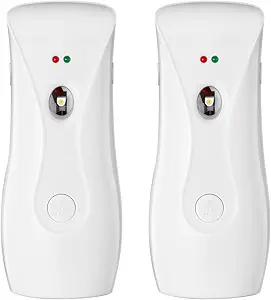
1. Natural Room Sprays
Best for: Quick freshness
Typically made with:
Water-based formulas
Light essential oil blends
Minimal additives
Ideal for occasional use.
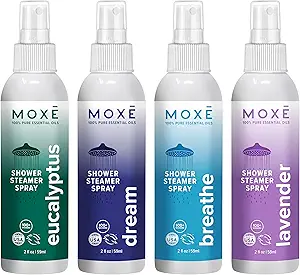
2. Essential Oil Sprays (Diluted)
Best for: Controlled scent
Usually lightly scented
Should list dilution clearly
Not all essential oils are suitable for all households
Use sparingly.
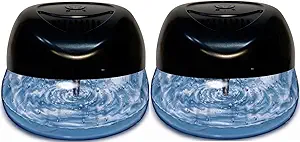
3. Gel & Passive Fresheners
Best for: Continuous light scent
Gradual scent release
No aerosols
Low-maintenance option
Best for small spaces.
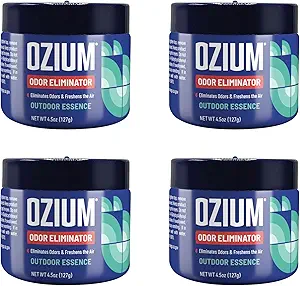
4. Fragrance-Free Odor Neutralizers
Best for: Sensitive environments
Focus on odor absorption
No added scent
Good for bedrooms or nurseries
Common Ingredients in Non-Toxic Air Fresheners
Water-Based Carriers
Reduce need for aerosols
Disperse scent gently
Lower indoor air irritation risk
Essential Oils (Used Lightly)
Provide natural fragrance
Should be clearly disclosed
Not required for effectiveness
Plant-Based Odor Absorbers
Help reduce mild odors
Often used in passive systems
Non-intrusive
What to Avoid When Choosing Air Fresheners
Be cautious with products that:
Use vague “fragrance” labeling
Overpower rooms quickly
Rely on aerosol propellants
Make health or detox claims
Leave lingering residue
Subtlety is a feature, not a flaw.
How to Use Air Fresheners Effectively
Use small amounts
Ventilate rooms regularly
Address odor sources directly
Combine with routine cleaning
Air fresheners work best as a support tool, not a solution.
DIY vs Store-Bought Air Fresheners
DIY sprays can work, but:
Scent consistency varies
Essential oil dilution matters
Shelf life is limited
Store-bought options offer convenience
Many households mix both approaches.
Frequently Asked Questions
Are non-toxic air fresheners safe for pets?
Many are designed with pets in mind, but always check labels and use lightly.
Are fragrance-free options better?
Often yes for sensitive households.
Do natural air fresheners last as long?
They’re usually subtler and may require more frequent use.
Are non-toxic air fresheners more expensive?
Sometimes upfront, but less is often needed per use.
Final Thoughts
Non-toxic air fresheners and sprays offer a gentle way to keep indoor spaces feeling fresh without overwhelming fragrances. The best options:
Use subtle scent blends
Disclose ingredients clearly
Fit into daily home routines
Support a calm, comfortable environment