
Best Natural Bathroom Cleaners (Effective Cleaning Without Harsh Fumes)
Bathrooms are cleaned often and in enclosed spaces, where strong chemical odors can linger. Natural bathroom cleaners are designed to handle common bathroom messes—soap scum, mineral deposits, and everyday grime—without relying on aggressive chemicals or overpowering scents.
This guide explains what natural bathroom cleaners can realistically do, which types work best for different surfaces, and how to use them effectively for regular bathroom upkeep.
This content is for informational purposes only and does not replace professional, medical, or regulatory advice.
What Makes a Bathroom Cleaner “Natural”?
Natural bathroom cleaners typically:
Use plant-based or mineral-derived ingredients
Avoid strong chlorine or ammonia fumes
Focus on surface-level cleaning
Rinse clean with minimal residue
Are suitable for frequent household use
They’re designed for maintenance, not extreme restoration.
Why Many Households Choose Natural Bathroom Cleaners
Common reasons include:
Reduced exposure to strong fumes
Use in small or poorly ventilated bathrooms
Preference for lighter scents
Routine cleaning without harsh residue
Homes with children or pets
For most users, the goal is effective, comfortable cleaning.
What Natural Bathroom Cleaners Do (and Don’t) Do
Important clarification:
They clean surface grime and soap scum
They help manage mildew with regular use
They do not fix underlying moisture issues
They may not remove severe staining in one pass
Consistency matters more than strength.
Who Natural Bathroom Cleaners Are Best For
These cleaners are well suited for:
Daily or weekly bathroom cleaning
Showers, sinks, tubs, and tiles
Apartments and shared bathrooms
Small spaces with limited ventilation
Routine maintenance between deep cleans
They’re less suitable for heavy restoration jobs.
How We Evaluated Natural Bathroom Cleaners
We focused on products that:
Clearly disclose active ingredients
Are labeled for common bathroom surfaces
Rinse without sticky residue
Have manageable scent profiles
Are widely available and consistently reviewed
Usability and surface safety matter.
Types of Natural Bathroom Cleaners
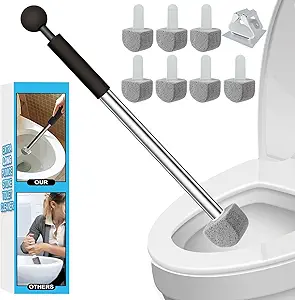
1. Spray Bathroom Cleaners
Best for: General cleaning
Easy application
Suitable for sinks, counters, and fixtures
Ideal for frequent use
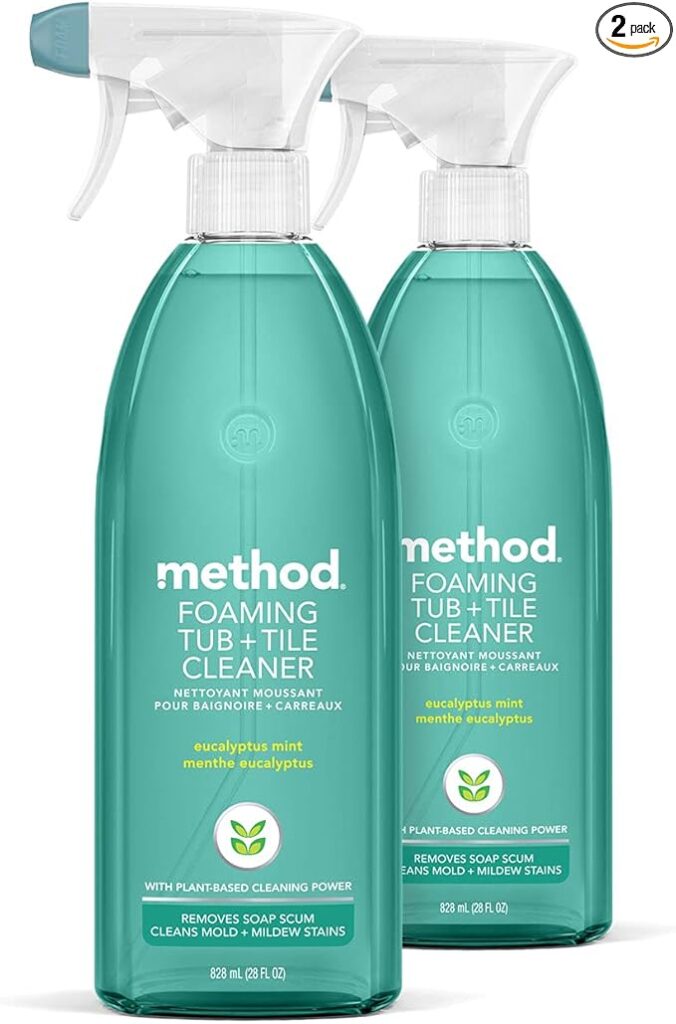
2. Foaming Shower Cleaners
Best for: Vertical surfaces
Cling to walls and grout
Reduce runoff
Useful for showers and tubs
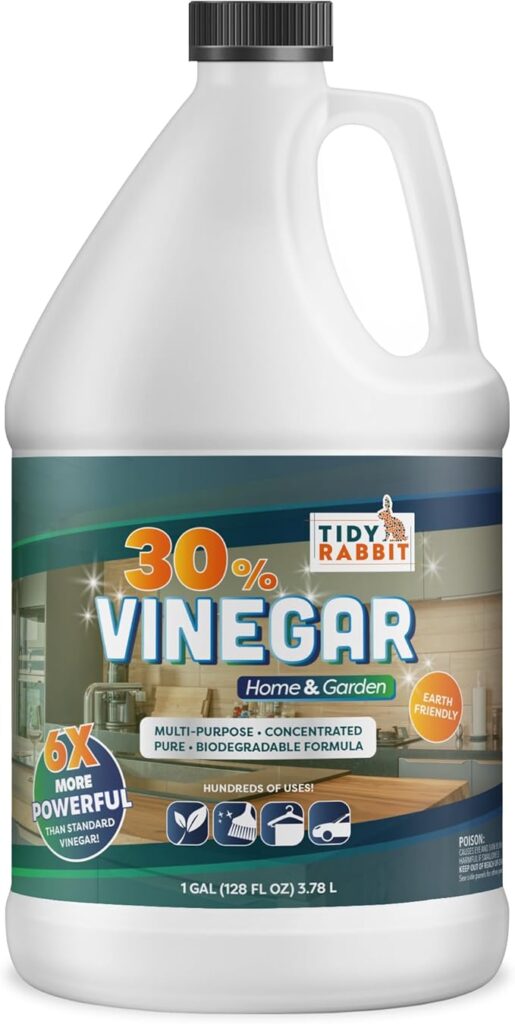
3. Bathroom Cleaning Concentrates
Best for: Low-waste routines
Less packaging
Adjustable strength
Requires proper dilution
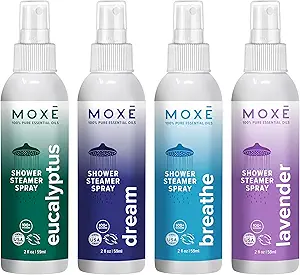
4. Daily Shower Sprays
Best for: Preventive maintenance
Light formulations
Used between deep cleans
Help reduce soap scum buildup
Common Ingredients in Natural Bathroom Cleaners
Citric Acid
Helps dissolve mineral deposits
Common in limescale removers
Mild odor compared to vinegar
Vinegar (Acetic Acid)
Effective against soap scum
Strong initial smell that dissipates
Not suitable for all stone surfaces
Plant-Based Surfactants
Lift dirt and residue
Improve cleaning action
Common in spray formulas
Essential Oils (Used Lightly)
Provide mild fragrance
Optional, not required for effectiveness
Should be clearly disclosed
Surfaces to Check Before Use
Always confirm compatibility for:
Natural stone (marble, travertine)
Unsealed grout
Specialty finishes
Acrylic or fiberglass tubs
Acidic cleaners may damage sensitive surfaces.
How to Clean Bathrooms More Effectively (Naturally)
Ventilate the room
Apply cleaner and allow dwell time
Gently scrub if needed
Rinse thoroughly
Dry surfaces to reduce moisture
Drying surfaces helps prevent mildew recurrence.
What to Avoid When Choosing Bathroom Cleaners
Avoid products that:
Make exaggerated “mold killing” claims
Lack ingredient transparency
Leave slippery residue
Use overpowering fragrance
Are unsafe for labeled surfaces
Balanced formulations matter.
Frequently Asked Questions
Do natural bathroom cleaners disinfect?
Most are designed for cleaning, not disinfecting.
Can they remove soap scum?
Yes, with regular use and proper dwell time.
Are fragrance-free options better?
Often yes for sensitive households.
Are natural cleaners slower?
Sometimes—but consistent use improves results.
Final Thoughts
Natural bathroom cleaners are most effective when used regularly as part of a maintenance routine. The best options:
Clean common bathroom surfaces effectively
Use clearly disclosed ingredients
Avoid harsh fumes
Support comfortable indoor cleaning