
Exploring the Best Low Energy Home Products for Sustainable Living
In today’s world, embracing sustainable living is becoming more important than ever. One way to achieve this is by incorporating low energy home products into your daily life. These products not only help the environment but also reduce your energy bills. Let’s take a closer look at some of the best low energy home products available today.
Energy-Efficient Lighting
Switching to energy-efficient lighting is one of the easiest ways to reduce your energy consumption. Consider replacing traditional incandescent bulbs with LED or CFL bulbs. Here’s why they’re a fantastic choice:
- Longevity: LED bulbs last up to 25 times longer than incandescent bulbs.
- Energy Savings: They use about 75% less energy, which translates to lower electricity bills.
- Heat Reduction: LEDs emit very little heat, minimizing the risk of overheating.
Smart Thermostats
Another great investment for low energy use is a smart thermostat. These devices allow you to control your home’s temperature remotely, ensuring you only use energy when necessary. Features to look for include:
- Learning Capability: Some smart thermostats learn your schedule and adjust temperatures automatically.
- Energy Reports: They provide insights on your energy usage, helping you make informed decisions.
- Integration: Many can integrate with other smart home devices for seamless control.
Energy Star Appliances
When it comes to large appliances, choosing Energy Star certified products can make a significant difference. These appliances meet strict energy efficiency guidelines set by the U.S. Environmental Protection Agency. Here are some common Energy Star appliances to consider:
- Refrigerators: Energy-efficient models use less energy and often come with advanced features for better food preservation.
- Washing Machines: Energy Star washers use less water and energy while still providing excellent cleaning results.
- Dishwashers: Look for models that offer soil sensors and efficient cycle options to minimize water and energy usage.
Low-E Windows
Investing in low-emissivity (Low-E) windows is a smart way to improve your home’s energy efficiency. These windows have a special coating that reflects heat while allowing light to enter. Benefits of Low-E windows include:
- Temperature Regulation: They help maintain indoor temperatures, reducing heating and cooling costs.
- UV Protection: Low-E windows block harmful UV rays, protecting your furniture and flooring.
- Noise Reduction: These windows can also help reduce outside noise, creating a more peaceful home environment.
Water-Saving Devices
Water-saving devices are essential for sustainable living. Here are some products that can help you conserve water:
- Low-Flow Showerheads: These provide strong water pressure while using less water.
- Dual-Flush Toilets: They allow you to use less water for liquid waste, saving gallons per flush.
- Smart Irrigation Systems: These systems optimize watering schedules based on weather conditions, using less water.
Solar Panels
For those looking to make a larger investment, solar panels are unmatched in terms of energy savings. They convert sunlight into electricity, significantly reducing electricity bills. Important factors to consider include:
- System Size: Choose a size based on your energy needs and roof space.
- Incentives: Research available local or federal tax credits to offset installation costs.
- Financing Options: Explore leasing or financing to make the upfront costs more manageable.
These best low energy home products into your household can be a great step toward sustainable living. Not only will you contribute to a healthier planet, but you will also enjoy the benefits of lower utility bills. Start making these changes today, and watch how they positively impact your life and the environment.
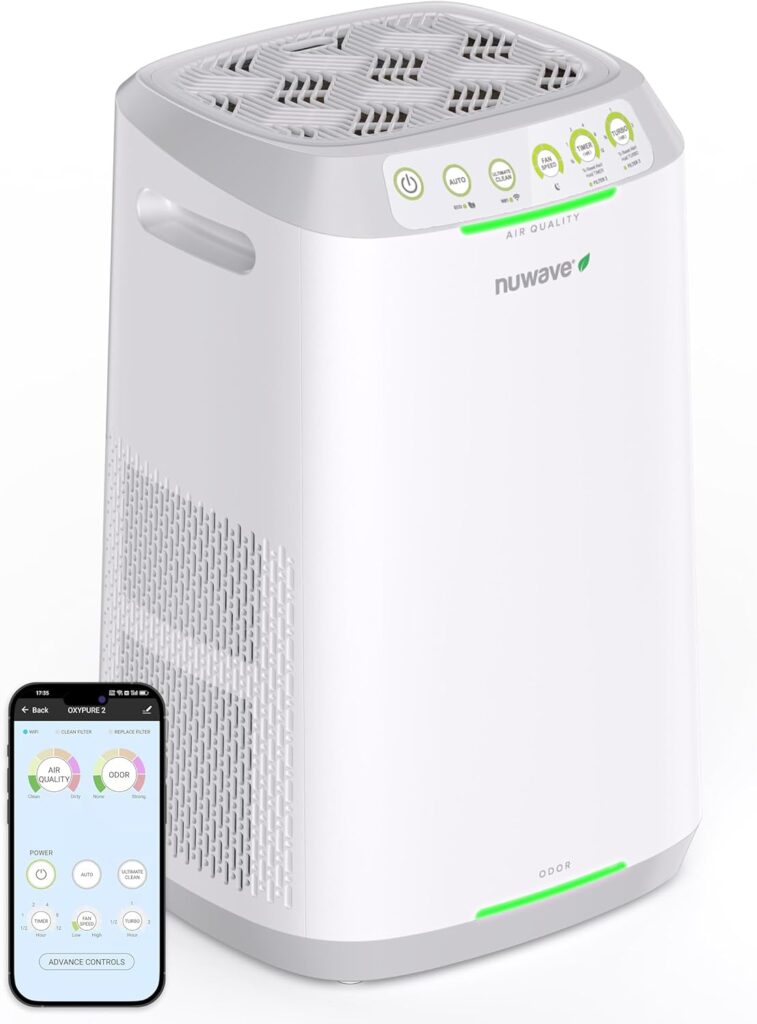
Nuwave Oxypure Zero E500 Air Purifier with Washable Reusable Filters for Large Room |
Most popular choice right now
How to Choose Energy-Efficient Appliances for Your Home
Choosing energy-efficient appliances can play a crucial role in lowering your electricity bills and reducing your carbon footprint. When you’re selecting appliances for your home, keeping an eye on energy efficiency is a smart move. Here are some tips to help you navigate your options.
Understand Energy Efficiency Ratings
Before you start shopping, familiarize yourself with energy efficiency ratings. The most common label you’ll see is the Energy Star label. Appliances with this label meet strict energy efficiency guidelines set by the U.S. Environmental Protection Agency. They typically use less energy than their traditional counterparts.
Assess Your Needs
Consider what appliances you need most. For instance, if your refrigerator is old and struggling, it may be time to replace it with a more energy-efficient model. Take inventory of your current appliances and identify which ones are costing you the most energy. Ask yourself:
- What appliances do I use daily?
- Are there any appliances I can live without?
- How often do I use the appliances that I have?
Look for Smart Features
Modern energy-efficient appliances often come equipped with smart technology. These features help you monitor and control energy consumption in real time. For example, smart thermostats learn your habits and adjust accordingly, saving you energy without requiring constant adjustments. Consider the following smart features:
- Remote access through smartphone apps
- App notifications about energy use
- Integration with home automation systems
Check the Size and Capacity
Choosing the right size for an appliance can greatly impact its efficiency. For example, an oversized refrigerator can consume more energy than necessary. Find options that suit your family size and daily needs. Here are some points to consider:
- Measure the space where the appliance will go.
- Think about your typical usage and choose capacity accordingly.
- Avoid going too large, which leads to wasting energy.
Compare Operating Costs
While the initial price is important, don’t overlook operating costs. Look for appliances that not only have a low purchase price but also a low estimated yearly energy cost. Most store displays and online retailers provide this information. Comparing annual operating costs can help you see which appliances save the most money in the long run.
Read Reviews and Ratings
Customer reviews can provide insights into the energy efficiency of appliances. Look for opinions on how well appliances perform over time and how often they lead to increased utility bills. Search for reliable sources that discuss the efficiency of specific brands or models you’re considering. Websites like Consumer Reports and EnergySage can offer helpful guidance.
Consider Energy-Saving Technology
Many manufacturers offer innovative technology that enables appliances to use less energy while maintaining efficiency. For example, look for dishwashers with soil sensors that adjust the wash cycle. Here are some tech features to look for:
- Variable speed compressors in refrigerators
- Heat pump dryers that recycle air
- Induction cooktops that heat cookware with minimal energy loss
Evaluate Warranty and Support
Consider the warranty and support options. Energy-efficient appliances are often more complex than traditional models, so having a robust support system can be beneficial. A good warranty can also provide peace of mind in case of any issues. Look for warranties that cover energy efficiency features specifically.
By keeping these tips in mind, you can make informed decisions when selecting energy-efficient appliances for your home. Not only will you contribute to a more sustainable environment, but you’ll also enjoy lower energy bills! Making the switch to energy-efficient appliances is a practical and responsible choice, paving the way for a more energy-conscious lifestyle.
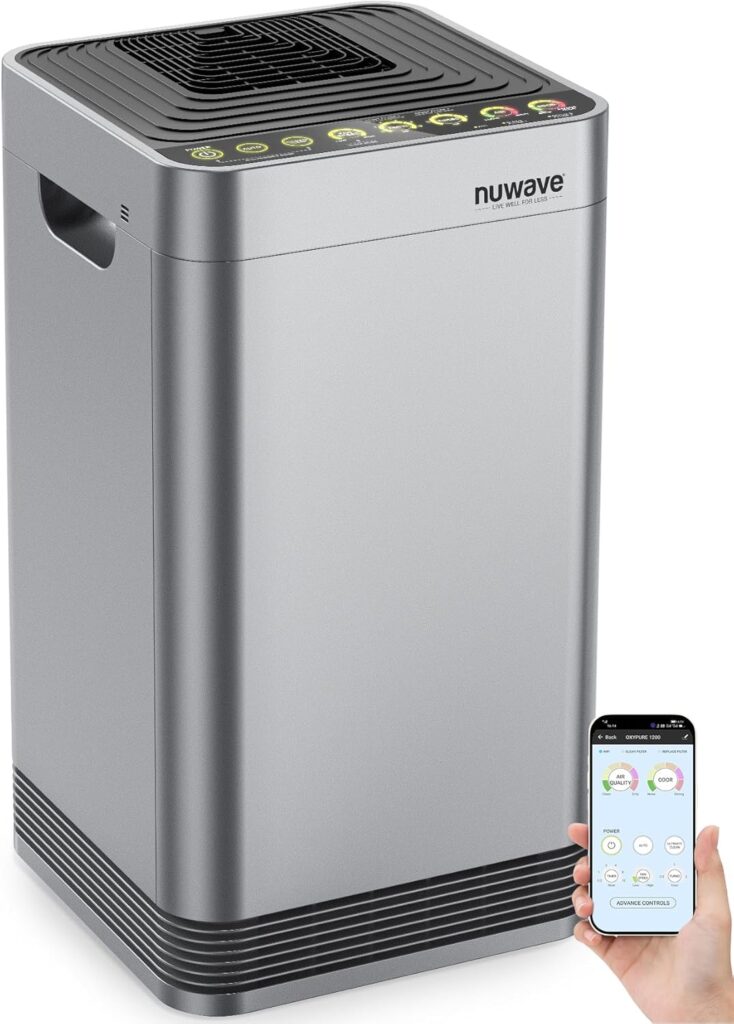
Nuwave Whole House Air Purifiers, Oxypure Smart Air Purifier with 5 Stage Tower Structure Air Filter, Air Quality & Odor Sensors, Sleep Mode for Bedroom
Most popular choice right now
The Role of Smart Home Technology in Reducing Energy Consumption
In today’s world, smart home technology is transforming the way we manage our energy consumption. From automated devices to integrated systems, these innovations offer various ways to lower your home’s energy use. By incorporating smart solutions into your living space, you can enjoy convenience while significantly reducing your environmental footprint.
Understanding Smart Home Technology
Smart home technology refers to devices and systems that allow you to control various aspects of your home remotely. Often connected via Wi-Fi, these devices can be operated through a smartphone app or voice commands. This technology gives you more control over when and how energy is used.
Key Products That Help Save Energy
There are several smart home products specifically designed to reduce energy consumption. Utilizing these items can greatly contribute to a more energy-efficient home.
- Smart Thermostats: These devices learn your heating and cooling preferences over time. They can adjust the temperature automatically based on your habits, ensuring that you’re only using energy when needed.
- Smart Lighting: Smart bulbs allow you to control the brightness and color of your lights. You can schedule them to turn off or dim according to your needs, reducing unnecessary energy use.
- Smart Plugs: With smart plugs, you can regulate the power supply to devices. This feature enables you to turn off electronics that are not in use, preventing energy waste.
- Energy Monitoring Systems: These systems provide real-time data on your energy consumption. By understanding which devices use the most energy, you can make smarter decisions.
- Smart Appliances: Many new appliances come with smart features that allow for energy-efficient operation. For instance, a smart oven can cook food more efficiently and has options to use less energy during off-peak times.
Advantages of Using Smart Home Technology
Integrating smart home technology brings a host of benefits that extend beyond energy savings. Here are some key advantages:
- Convenience: Control everything from heating to lighting with just a tap on your smartphone. No more climbing out of bed to check if you left the lights on!
- Cost Savings: Lower energy bills can quickly add up. Smart devices help manage your consumption, ultimately saving you money.
- Environmental Impact: Reducing your energy consumption lessens your carbon footprint, contributing to a healthier planet.
- Enhanced Comfort: Automated systems help maintain an optimal living environment, adjusting heating and cooling according to your lifestyle.
How to Get Started
If you’re considering upgrading your home with smart technology, follow these steps:
- Assess Your Needs: Identify areas where you consume the most energy. This could be heating, lighting, or appliances.
- Research Products: Look for smart devices that align with your specific needs. Read reviews and compare features to find the best options.
- Start Small: You don’t have to purchase everything at once. Begin with a smart thermostat or smart lights and expand gradually.
- Connect and Monitor: Set up your devices and take advantage of any monitoring features. Regularly check your energy usage and adjust settings as necessary.
Challenges to Consider
While the benefits are clear, it’s essential to be aware of some challenges associated with smart home technology:
- Initial Costs: The upfront investment can be significant, although it pays off over time through energy savings.
- Technical Learning Curve: Some individuals may find it difficult to adapt to new technologies, which can hinder their initial usage.
- Security Concerns: Connected devices may pose security threats. Ensure strong passwords and use reputable brands with robust security features.
Smart home technology can help you significantly reduce energy consumption while enjoying the benefits of modern conveniences. As you take steps toward creating an energy-efficient home, you’ll not only save money but contribute to a more sustainable future.
Nuwave Whole House Air Purifiers, Oxypure Smart Air Purifier with 5 Stage Tower Structure Air Filter, Air Quality & Odor Sensors, Sleep Mode for Bedroom
Most popular choice right now
Renovating for Energy Efficiency: Tips and Tricks
In today’s world, energy efficiency is more important than ever. Renovating your home not only enhances comfort but also lowers your energy bill. Whether you are planning a full renovation or making small adjustments, you can adopt several strategies to boost energy efficiency. Here are some practical tips and tricks to get you started.
Start with an Energy Audit
The first step in any renovation plan is to identify areas where your home is losing energy. An energy audit will provide insights into insulation performance, ventilation needs, and appliance efficiency. You can hire a professional for this task or use some DIY tools available online. Either way, knowing your starting point is crucial.
Enhance Insulation
Good insulation is key to maintaining your home’s temperature. Insulate walls, attics, and crawl spaces to minimize energy loss.
- Types of Insulation: Consider fiberglass, foam, or cellulose options. Each has its benefits and can be suitable based on your specific needs.
- Seal Air Leaks: Use caulk and weatherstripping around windows and doors to eliminate drafts.
Upgrade Windows and Doors
Old, drafty windows and doors can significantly increase energy costs. Upgrading to energy-efficient models is an investment that pays off over time.
- Double or Triple Glazing: These window options reduce heat transfer, keeping your home warm in winter and cool in summer.
- Low-E Coatings: Low-emissivity window coatings reduce heat gain and loss, enhancing overall efficiency.
Invest in Energy-Efficient Appliances
During renovations, consider upgrading to Energy Star-rated appliances. These models use less energy and water, translating into lower utility bills.
- Refrigerators: Look for models that keep food fresh while saving energy.
- Washing Machines: High-efficiency machines can save you a significant amount of water and energy per load.
- Heating and Cooling Systems: Consider modern HVAC systems that include programmable thermostats for smarter temperature control.
Choose Sustainable Materials
Use eco-friendly and energy-efficient materials during your renovation.
- Reclaimed Wood: Perfect for flooring and cabinetry, it reduces the carbon footprint.
- Low VOC Paints: These paints are less harmful to indoor air quality and create a healthier home environment.
Install Energy-Efficient Lighting
Lighting plays a significant role in energy consumption. Replace incandescent bulbs with LED or CFL options.
- Smart Lighting: Smart bulbs can be controlled from your smartphone, allowing you to turn off lights when not needed.
- Natural Light: Enhance natural lighting by adding skylights or larger windows to reduce reliance on artificial lighting during the day.
Consider Renewable Energy Options
If you are serious about energy savings, explore renewable energy solutions for your home.
- Solar Panels: Investing in solar panels can drastically reduce your electricity bills and increase your home’s value.
- Geothermal Heating: This system uses stable underground temperatures for heating and cooling, which can save you money long-term.
Landscaping for Energy Efficiency
Strategic landscaping can also improve energy efficiency. Planting trees or shrubs can provide shade and reduce cooling costs in the summer.
- Deciduous Trees: These lose leaves in winter, allowing sunlight to warm your home when needed.
- Evergreens: These can act as windbreaks to reduce heating costs in winter.
There are numerous strategies to enhance your home’s energy efficiency during renovations. By implementing these tips, you not only save money but also contribute positively to the environment. Small changes can lead to impactful results, making your home a comfortable, eco-friendly place to live.
Nuwave Oxypure Zero E500 Air Purifier with Washable Reusable Filters for Large Room |
Most popular choice right now
The Benefits of Investing in Low Energy Home Products for Your Wallet and the Planet
In today’s world, focusing on low energy home products is a smart move for both your finances and the environment. You might be wondering how these products can benefit you privately while also contributing to the planet’s well-being. Let’s break it down and explore the key benefits that come from investing in these innovative solutions.
Environmental Benefits
When you choose low energy home products, you’re taking a decisive step towards reducing your carbon footprint. Here are some benefits to consider:
- Decreased Energy Consumption: Low energy appliances use less electricity, which means fewer resources are consumed. This leads to a significant reduction in energy waste.
- Lower Greenhouse Gas Emissions: By using less energy, these products help decrease the emissions that contribute to climate change. This is beneficial for the Earth and helps create a healthier environment.
- Resource Conservation: Utilizing low energy products conserves natural resources, such as coal and natural gas, ensuring that these resources remain available for future generations.
Financial Savings
Investing in low energy home products not only benefits the planet but also your wallet. Consider these financial incentives:
- Reduced Utility Bills: Low energy appliances consume significantly less energy, reflecting lower costs on your electricity or gas bills. Over time, these savings can add up substantially.
- Tax Credits and Rebates: Many governments offer incentives for the purchase of energy-efficient products, meaning you can enjoy additional savings upfront or when filing your taxes.
- Increased Property Value: Homes equipped with energy-efficient products often have higher resale values. Prospective buyers are increasingly looking for eco-friendly homes, making yours more appealing.
Enhanced Comfort and Convenience
Not only do low energy home products save money and help the environment, but they also offer improved living conditions. Here’s how:
- Consistent Performance: Many low-energy appliances, such as air conditioners and refrigerators, maintain optimal temperatures while using less energy. This results in a more comfortable living environment.
- Quieter Operation: Many low energy products are designed to operate quietly. For example, energy-efficient dishwashers and washing machines run with less noise, contributing to a more peaceful home atmosphere.
- Smart Technology: Many low energy home products come with smart technology features, allowing for remote control and monitoring of your devices. This adds convenience and can further save energy when used wisely.
Popular Low Energy Home Products
When considering an investment in low energy products, there are numerous options available. Some of the best low energy home products include:
- LED Light Bulbs: These bulbs use up to 80% less energy than traditional incandescent bulbs and last much longer.
- Energy Star Appliances: Appliances with the Energy Star label have been certified to meet strict energy efficiency guidelines, making them a wise investment.
- Smart Thermostats: These devices learn your schedule and adjust your home’s temperature to maximize energy savings.
- Low Flow Fixtures: Installing low flow showerheads and faucets reduces water usage without sacrificing performance, resulting in lower water bills.
By now, you can see that the benefits of low energy home products are numerous and impactful. Not only do they help save you money, but they also play a crucial role in preserving our environment for future generations. Investing in these innovative solutions is a step toward a more responsible and environmentally-friendly lifestyle. Make the switch today and watch your savings and positive impact grow.
Conclusion
Embracing low energy home products is a transformative step towards sustainable living that benefits both your finances and the environment. By exploring various energy-efficient appliances, you arm yourself with the knowledge needed to make impactful choices in your household. Understanding how to select these appliances ensures that you will not only reduce your utility bills but also contribute to a greener planet.
The integration of smart home technology serves as a powerful ally in this endeavor. These innovative solutions help monitor and manage energy use more effectively, allowing you to adapt your consumption habits seamlessly. Smart devices provide accessibility and convenience, ensuring energy conservation becomes an effortless part of your daily routine.
When it comes to renovations, implementing energy-efficient strategies can significantly enhance your home’s overall sustainability. Simple improvements like better insulation or energy-saving windows can make a big difference. Pairing these upgrades with low energy products enhances your home’s efficiency and provides long-term savings.
Ultimately, investing in low energy home products is a win-win scenario. Not only do you save money on your energy bills, but you also reduce your carbon footprint, contributing to a healthier planet for future generations. Every small change counts, and with the right choices, you can create a comfortable, efficient home while being mindful of our shared environment. Making these adjustments today paves the way for a sustainable tomorrow, ensuring that you and your family can enjoy the numerous benefits of an eco-friendly lifestyle.
EcoCasaLife Recommended Products






As an Amazon Associate, we earn from qualifying purchases.

This article was written by Rozen and reviewed by the Ecocasalife Editorial Team for accuracy.
Rozen is the founder of EcoCasaLife, the strategic resource for sustainable home investment. With a background that blends financial acumen and tech enthusiasm, Rozen approaches sustainability not just as a lifestyle choice, but as a smart financial decision.