
The Benefits of Using the Best LED Bulbs for Energy Saving
When it comes to energy efficiency, LED bulbs are at the forefront of lighting technology. Switching to the best LED bulbs for energy saving can significantly reduce your electricity bills while also benefiting the environment. These bulbs utilize advanced technology to provide superior illumination without consuming a lot of power.
Understanding LED Technology
Light Emitting Diodes (LEDs) work by passing electricity through a semiconductor material to produce light. This process is highly efficient and uses far less energy compared to traditional incandescent bulbs. If you want to brighten your home while saving energy, LED bulbs are the way to go.
The Energy Efficiency of LED Bulbs
One of the main benefits of LED bulbs is their remarkable energy efficiency. Here are key points to consider:
- LEDs use up to 80% less energy than incandescent bulbs. For example, a 10-watt LED bulb provides the same brightness as a 60-watt incandescent bulb.
- They last significantly longer, with a lifespan of 15,000 to 50,000 hours compared to just 1,000 hours for traditional bulbs. This means fewer replacements, saving you time and money.
- LED bulbs generate minimal heat, making them safer and more efficient. Less energy is wasted on heat, leading to lower power consumption.
Environmental Impact
Using the best LED bulbs for energy saving is not just beneficial for your wallet; it’s also great for the planet. LEDs emit far fewer carbon emissions compared to traditional lighting options. By reducing energy consumption, you help decrease reliance on fossil fuels, which are a significant source of greenhouse gases.
Choosing the Right LED Bulbs
When shopping for energy-saving LED bulbs, keep a few important factors in mind:
- Brightness: Measured in lumens, make sure to choose bulbs that provide adequate light for the specific area. A higher lumen count means brighter light.
- Color Temperature: LEDs come in various color temperatures, ranging from warm white (around 2700K) to cool white (5000K or higher). Choose what feels comfortable for your space.
- Dimmability: If you want more control over the brightness in your rooms, consider dimmable LED bulbs. Ensure your fixtures support this feature.
Cost Savings Over Time
Investing in LED bulbs might seem costly initially, but the long-term savings are significant. Imagine this:
- If you replace just 10 of your higher wattage incandescent bulbs with energy-efficient LEDs, you can save approximately $75 a year on energy costs.
- With their extended lifespan, you won’t have to worry about frequent bulb replacements, which adds more savings to your overall budget.
Choosing Reliable Brands
Not all LED bulbs are created equal. Opt for trusted brands known for quality and performance. Look for those with good reviews and energy certifications, like ENERGY STAR. This ensures you are purchasing reliable products that perform well and contribute to energy savings.
Installation Tips
Installing LED bulbs is straightforward. All you need to do is remove the old bulbs from your fixtures and screw in the new LED bulbs. However, ensure that the wattage is appropriate for your fixtures. This not only prevents damage but also maximizes the energy savings.
Switching to the best LED bulbs for energy savings is an excellent decision for anyone looking to cut down on energy costs and minimize their environmental impact. With their efficiency, longevity, and performance, LED bulbs are truly a shining star in modern lighting solutions. Make the change today and start enjoying the benefits right away!
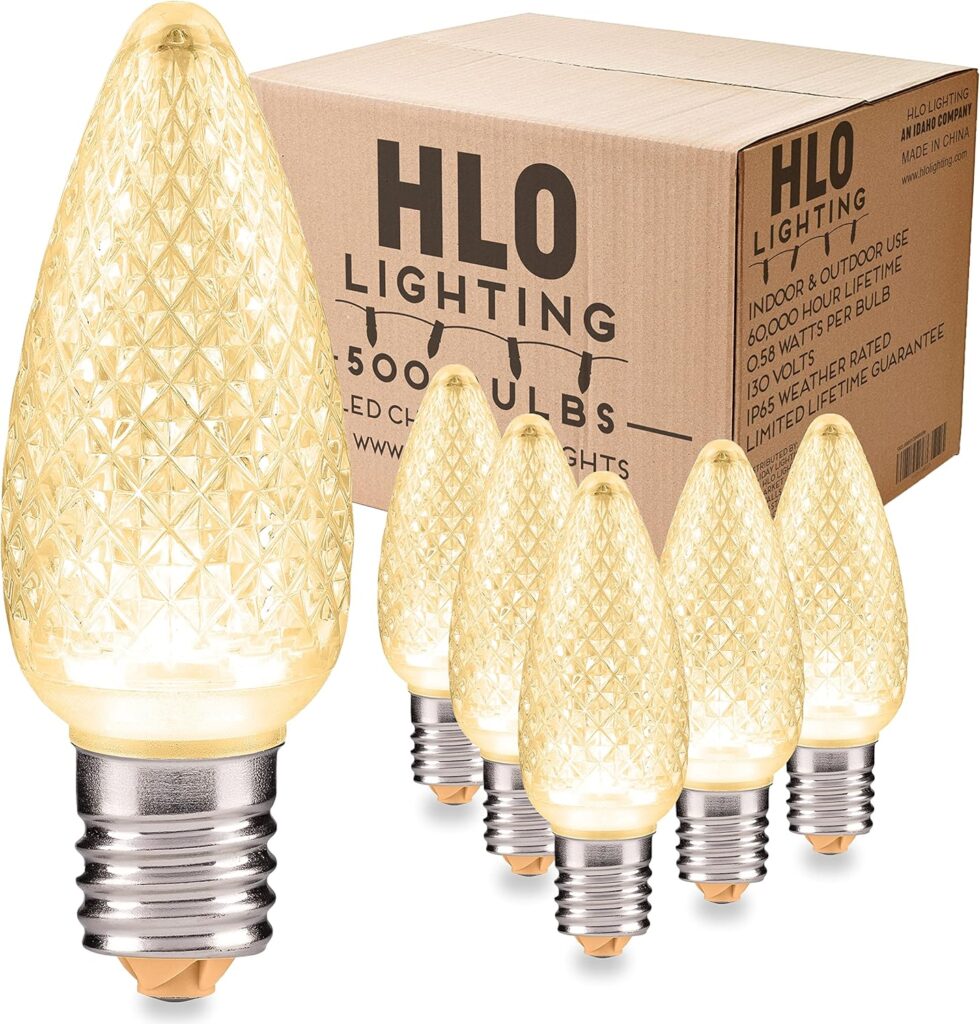
HLO Lighting Set of 500 Sun Warm White C9 Faceted LED Christmas Light Bulbs for Indoor & Outdoor Use
Most popular choice right now
Comparing LED Bulbs: Cost, Lifespan, and Energy Efficiency
When it comes to enhancing your home lighting while also considering energy efficiency, LED bulbs are a top choice. Not only do they illuminate your spaces brightly, but they also offer significant savings on electricity bills. Let’s delve into the crucial aspects of LED bulbs, including cost, lifespan, and energy efficiency to help you make an informed decision.
Understanding Costs
The initial investment in LED bulbs may be higher compared to traditional incandescent or fluorescent bulbs, but the long-term benefits far outweigh the upfront costs. On average, a standard LED bulb costs between $5 to $15, depending on brand and features. This may seem steep, but consider how many times you will need to replace cheaper bulbs.
Comparative Cost Analysis
- Incandescent Bulbs: $0.50 to $2.00 per bulb
- Fluorescent Bulbs: $2 to $10 per bulb
- LED Bulbs: $5 to $15 per bulb
While incandescent bulbs might save you money in the short term, you will find yourself replacing them every year. LED bulbs, however, can last for over 15 years, making the cost per year much lower in comparison.
Lifespan Matters
The lifespan of your light bulbs is a key factor to consider. LED bulbs typically last anywhere from 15,000 to 50,000 hours, compared to only about 1,000 hours for incandescent bulbs and approximately 10,000 hours for fluorescent bulbs. Here’s a quick breakdown:
- Incandescent Bulbs: Last about 1,000 hours
- Fluorescent Bulbs: Last about 10,000 hours
- LED Bulbs: Last about 15,000 to 50,000 hours
By switching to LED, you not only reduce waste but also save on replacement costs and hassle. Imagine not having to climb a ladder to change bulbs every year! Choosing bulbs with longer lifespans ensures a smoother maintenance experience.
Energy Efficiency Explained
One of the biggest appeals of LED bulbs is their energy efficiency. These bulbs convert almost 100% of their energy into light, while incandescent bulbs waste a lot of energy through heat. LED bulbs use about 75% less energy than traditional bulbs, allowing you to significantly decrease your electricity consumption.
Energy Consumption Comparison
- Incandescent Bulbs: 60 watts for a standard bulb
- Fluorescent Bulbs: 13-15 watts for an equivalent brightness
- LED Bulbs: 8-12 watts for the same brightness
This means that switching to LED not only reduces greenhouse gas emissions, contributing to a healthier planet, but it also translates to lower monthly electricity bills. If you use LED bulbs in frequently used areas, you will likely see a significant reduction in your energy expenses.
Additional Benefits of LED Bulbs
Aside from cost, lifespan, and energy efficiency, LED bulbs come with various other advantages. Many bulbs are now available in smart options, allowing you to control lighting from your smartphone. Furthermore, they are durable and can withstand bumping or knocking better than fragile incandescent or fluorescent bulbs.
Moreover, LED bulbs are available in a wide range of colors and brightness levels, giving you the freedom to customize your space’s ambiance. Whether you want a soft warm glow for a cozy evening or bright daylight for an active workspace, you’re covered.
When evaluating LED bulbs, keep in mind their cost-effectiveness, longevity, and energy efficiency. By making this switch, not only do you save money, but you also take an important step toward a more sustainable lifestyle.
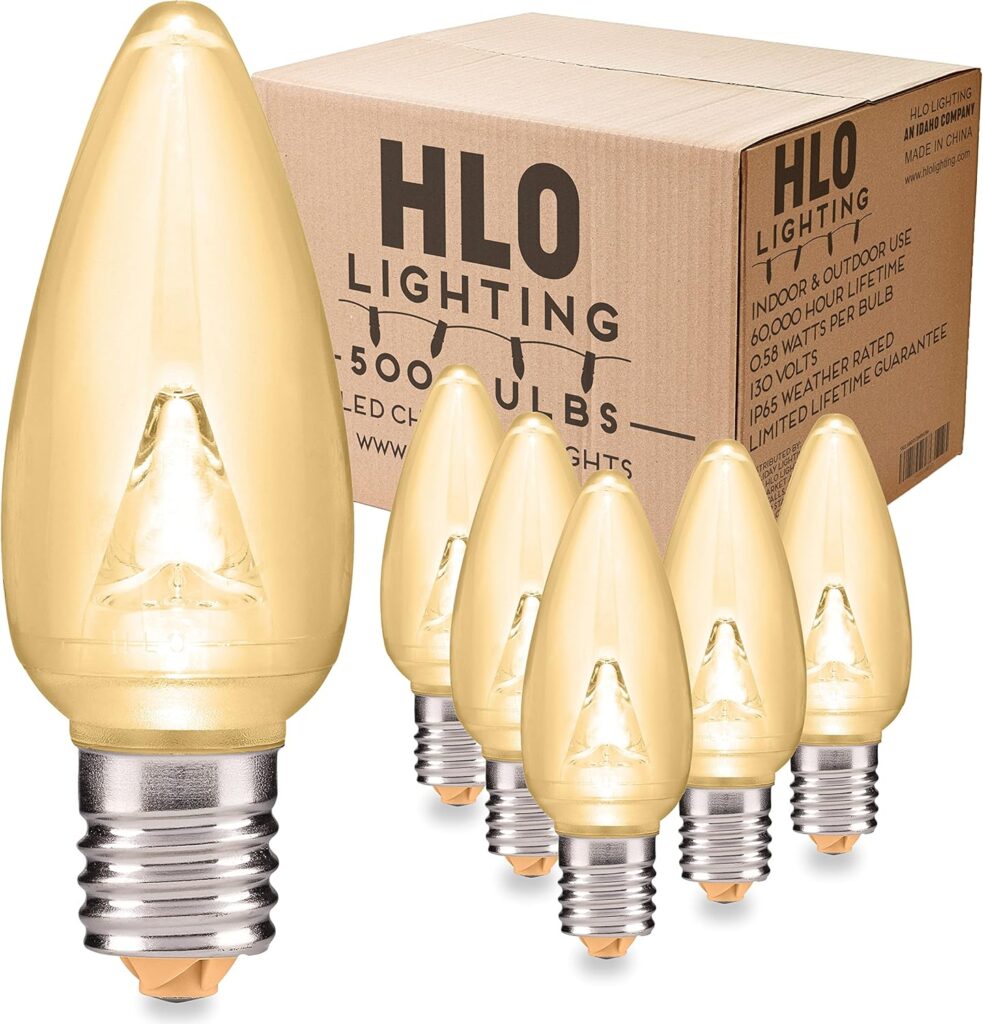
HLO Lighting Set of 500 Sun Warm White C9 Faceted LED Christmas Light Bulbs for Indoor & Outdoor Use
Most popular choice right now
How to Choose the Right LED Bulb for Your Home
Choosing the right LED bulb for your home can be a game-changer, not only for your light quality but also for your energy bills. LED bulbs are known for their efficiency and longevity, making them a popular choice for environmentally conscious consumers. Understanding how to select the best options can lead to significant savings and improved lighting. Here are some important factors to consider.
Brightness and Watts
When selecting an LED bulb, consider the brightness you need. Brightness is measured in lumens, while the wattage helps determine energy consumption. Here’s a simple guide:
- 40-watt incandescent = 450 lumens
- 60-watt incandescent = 800 lumens
- 75-watt incandescent = 1100 lumens
- 100-watt incandescent = 1600 lumens
Look for LED bulbs that provide the required lumens with fewer watts. This way, you’re saving energy while achieving the desired brightness in your space.
Color Temperature
The color temperature of an LED bulb affects the ambiance of your home. The color is measured in Kelvin (K) and ranges from warm yellow to cool blue. Here’s how to interpret different temperatures:
- Warm White (2700K-3000K): Ideal for bedrooms and living rooms; it creates a cozy, inviting environment.
- Cool White (3100K-4100K): Great for kitchens and work areas; it enhances focus and brightness.
- Daylight (5000K-6500K): Best for task lighting; it mimics natural daylight and improves concentration.
Dimming Options
If you want to control the brightness of your lights, consider purchasing dimmable LED bulbs. Not all LED bulbs are compatible with dimmer switches, so look for a “dimmable” label. By using dimmable bulbs, you can create the perfect mood for any occasion while conserving energy when full brightness is not necessary.
Shape and Size
LED bulbs come in various shapes and sizes, suitable for different fixtures. When selecting a bulb, check the shape that fits your needs, such as:
- Standard A19 Bulbs: Commonly used in lamps and ceiling fixtures.
- Candelabra Bulbs: Ideal for chandeliers and decorative lighting.
- PAR Bulbs: Typically used in recessed lighting and outdoor applications.
Ensure the bulb matches your fixture for optimal performance.
Energy Efficiency and Lifespan
One of the primary reasons to switch to LED bulbs is their energy efficiency. Look for bulbs that mention their Energy Star rating. These bulbs consume less electricity and have a longer lifespan, often up to 25,000 hours. This means fewer replacements and lower costs over time.
Environmental Impact
Choosing LED bulbs is not only beneficial for your wallet but also good for the environment. LED bulbs are free of toxic chemicals like mercury. They are more eco-friendly and reduce your carbon footprint, contributing to a healthier planet.
Cost Considerations
While the initial cost of LED bulbs may be higher compared to traditional incandescent bulbs, consider the long-term savings. You’ll save on energy bills and won’t have to buy replacement bulbs frequently. Always calculate the total cost over the lifespan of the bulb for an accurate assessment of savings.
Brand and Warranty
Consider reputable brands when choosing LED bulbs. Brands with reliable warranties show confidence in their product’s durability and performance. Read reviews and ask for recommendations to find the best options on the market.
Choosing the right LED bulb for your home involves understanding brightness, color temperature, dimming options, shapes, energy efficiency, and environmental impact. By keeping these factors in mind, you can make informed decisions that will enhance your home lighting and contribute to energy savings.
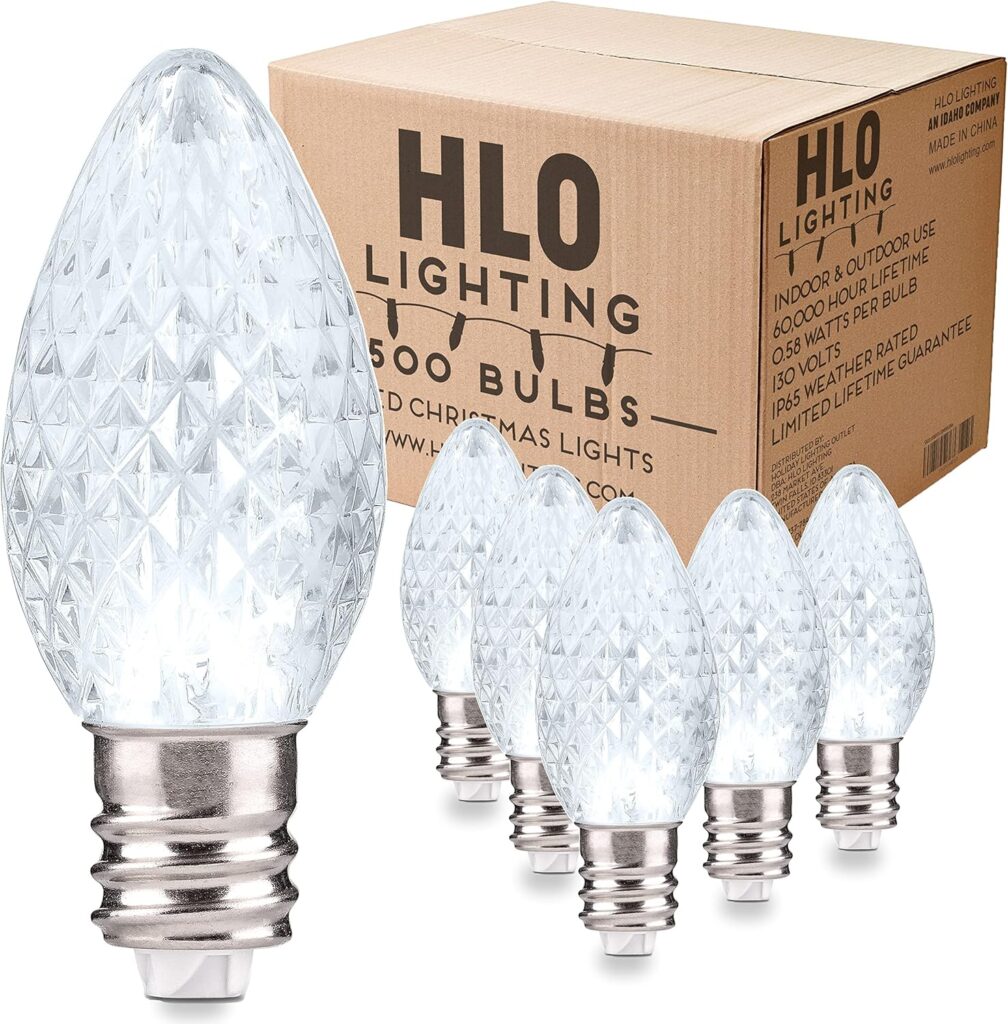
HLO Lighting Set of 500 Sun Warm White C9 Faceted LED Christmas Light Bulbs for Indoor & Outdoor Use
Most popular choice right now
Common Myths About LED Bulbs and Energy Savings
LED bulbs have become increasingly popular in households and businesses alike due to their promise of energy savings and long-lasting performance. However, this rise in popularity has also led to several misconceptions about their efficiency, durability, and practicality. Let’s explore some common myths surrounding LED bulbs and clarify the truth about energy savings.
Myth 1: LED Bulbs are too Expensive
One of the first myths you may hear is that LED bulbs are too pricey. While it’s true that the initial cost of LED bulbs can be higher than traditional incandescent or CFL bulbs, it’s essential to consider the long-term savings. LED bulbs can last up to 25,000 hours, compared to only 1,000 hours for incandescent bulbs. This means you will not only save on replacement costs but also on your energy bill. Over time, the reduced energy consumption of LED bulbs can significantly offset their initial cost.
Myth 2: LED Bulbs are Not Bright Enough
Another common belief is that LED bulbs don’t provide adequate brightness for your space. In fact, LED technology allows for a range of brightness options, measured in lumens. When shopping for LED bulbs, be sure to look at the lumen output instead of watts. For example, a 10-watt LED bulb can produce the same brightness as a 60-watt incandescent bulb. So, you can enjoy well-lit rooms without leaving your energy bill in the dark.
Myth 3: LED Bulbs Emit Harsh Light
Some people think LED lights provide a harsh, unflattering glare. While older LED models might have had a cooler color temperature, modern LEDs now offer a variety of color temperatures, from warm white to cool white and daylight. You can choose the color that best fits your atmosphere. If you prefer a cozy and inviting ambiance, look for bulbs labeled with warmer color temperatures, typically in the range of 2700K to 3000K.
Myth 4: LEDs are Not Environmentally Friendly
Many assume that because LED bulbs contain electronics and can’t be disposed of like regular bulbs, they’re harmful to the environment. However, LED bulbs are actually more eco-friendly in several ways. They consume less energy, which means reduced greenhouse gas emissions from power plants. Furthermore, LED lights do not contain harmful substances like mercury, which is found in some other types of bulbs. This makes LED a safe choice for you and the planet.
Myth 5: LED Lights Don’t Work Well in Cold Conditions
An often-overlooked misconception is that LED bulbs are ineffective in cold temperatures. On the contrary, LEDs perform efficiently in lower temperatures. In fact, they can actually last longer in colder environments compared to incandescent bulbs, which can lose efficiency and burn out more quickly. This makes LEDs an excellent choice for outdoor lighting or unheated spaces like garages.
Myth 6: Dimming LEDs is Ineffective
Some believe that LED lighting doesn’t work well with dimmers, leading them to avoid using dimmable LED options entirely. The truth is that many modern LEDs are designed to work seamlessly with compatible dimmers. However, if you’re using older dimmer switches, you may encounter compatibility issues. Look for LED bulbs specifically marked as “dimmable” and ensure your dimmer switch is designed for LED use. This allows you to create your desired lighting atmosphere without sacrificing energy efficiency.
Myth 7: LED Bulbs Are Not Safe
Safety concerns surrounding LED bulbs often surface due to their electronic components. However, LED bulbs are considered very safe. They generate significantly less heat than traditional bulbs, which reduces the risk of fire hazards. Additionally, if they break, they don’t shatter into dangerous shards, eliminating risks associated with broken glass. On the whole, using LED lighting in your home or office can enhance safety while providing excellent energy efficiency.
By debunking these myths, you can make more informed decisions about your lighting choices. Embracing LED technology not only saves you money on energy bills but also helps contribute to a more sustainable future. So, next time you’re in the market for light bulbs, consider the myriad benefits that LEDs offer.
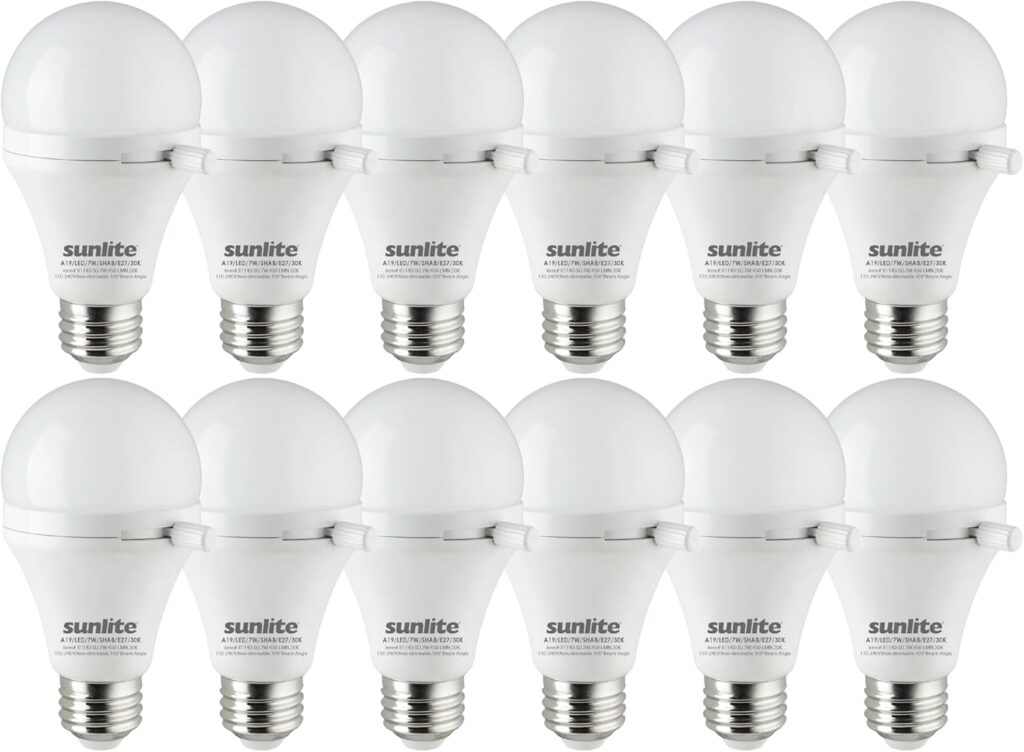
Sunlite ShabBulb, Shabbat Permissible LED Light Bulb, 7 Watt (40 Watt Equivalent) 3000K Warm White
Most popular choice right now
The Future of LED Technology in Energy Conservation
LED technology has transformed the way we light our homes, workplaces, and public spaces. As we look into the future, the potential of LED bulbs in energy conservation becomes increasingly clear. With their energy efficiency, longer lifespan, and decreased environmental impact, LEDs are paving the way for a more sustainable future. Understanding the advancements and innovations in LED technology reveals why they are considered the front-runners in energy conservation.
One of the most significant advantages of LED bulbs is their energy efficiency. Traditional incandescent bulbs convert only a small percentage of their energy into visible light, with a large portion wasted as heat. In contrast, LEDs use nearly 90% of their energy to produce light, resulting in substantial energy savings. When you’re choosing a lighting option, switching to LED bulbs could reduce your electricity bills significantly. In fact, replacing a single 60-watt incandescent bulb with a 10-watt LED can save you around $135 over the bulb’s lifetime.
Another promising aspect of LED technology is its evolving design and functionality. The latest LED products come with smart features that allow you to control brightness levels, color temperature, and even schedules through apps on your smartphone. This smart technology not only enhances user convenience but also contributes to further energy savings. By adjusting lighting based on your needs, you minimize excessive energy usage, reinforcing the core principle of energy conservation.
Brightness and light quality are also on the rise with LED advancements. Modern LED bulbs can now emit the same warm light as traditional bulbs while using far less energy. This capability of providing better illumination without compromising comfort shows the versatility of LEDs in various settings. Whether it’s for a cozy living room or a bright workspace, you can find LED solutions tailored for your specific needs.
The lifespan of LED bulbs is another factor that contributes to their energy-saving benefits. An average LED bulb can last up to 25,000 hours, compared to approximately 1,000 hours for incandescent bulbs. This longevity means fewer replacements and less waste, making LEDs a more environmentally friendly option. Additionally, longer-lasting products reduce the frequency of production and transportation, further lowering carbon emissions linked to these processes.
As the technology progresses, manufacturers are innovating to enhance not only the energy efficiency but also the sustainability of LED production. Many companies are focusing on producing LEDs from recyclable materials and reducing harmful components. This increasing commitment to sustainability can lower the environmental impact of lighting even further.
Moreover, integrating LED lighting with renewable energy sources is becoming more common. For example, solar-powered LED lights are being used in outdoor settings like street lighting and garden illumination. This combination maximizes energy savings by using clean energy, helping reduce reliance on fossil fuels. The move toward such technologies signals a promising trend in energy-efficient lighting solutions.
- Energy Savings: LEDs convert 90% of energy into light, greatly reducing electricity costs.
- Lifespan: With up to 25,000 hours of life, LEDs outlast traditional bulbs by over 20 times.
- Smart Features: Many LEDs now come with smart technology for enhanced control and energy efficiency.
- Environmentally Friendly: Advances in manufacturing are making LED production more sustainable.
- Combining with Renewables: Solar LED options contribute to energy savings and sustainability.
Looking ahead, the future of LED technology in energy conservation seems bright. As more individuals and businesses embrace LEDs, the collective impact can be seen in lower energy consumption and reduced greenhouse gas emissions. By opting for LEDs, you not only save money but also do your part to protect the environment.
The evolution of LED technology continues to offer groundbreaking solutions for energy conservation. With their efficiency, durability, and increasing integration of smart technologies, LEDs represent a key player in our path toward a more sustainable world. Adopting this technology can ultimately contribute to a cleaner and more energy-efficient future, one bulb at a time.
Conclusion
Opting for the best LED bulbs for energy saving is a smart move for both your wallet and the environment. With significant benefits like reduced energy consumption and lower electricity bills, LED bulbs make an impactful choice for homeowners looking to cut costs. When comparing different LED bulbs, consider not just the initial cost, but also their lifespan and energy efficiency. Making a well-informed decision will ensure you maximize your savings over time.
Choosing the right LED bulb for your space is essential. You should take into account factors like brightness, color temperature, and the specific needs of each room. Many myths surrounding LED technology, such as high upfront costs and lack of brightness options, can deter people from making this transition. However, understanding the facts can help you see that these misconceptions are far from reality.
Looking ahead, the future of LED technology holds incredible promise for further advancements in energy conservation. As manufacturers continue to innovate, we can expect even more efficient products that save energy and reduce our carbon footprint. By embracing these changes now, you’re not only making a savvy choice for your home but are also contributing to a more sustainable future. With these insights in mind, you are now well-equipped to make an informed decision about the best LED bulbs for energy saving. Taking this step could lead you towards smarter living and a green lifestyle.
EcoCasaLife Recommended Products






As an Amazon Associate, we earn from qualifying purchases.

This article was written by Rozen and reviewed by the Ecocasalife Editorial Team for accuracy.
Rozen is the founder of EcoCasaLife, the strategic resource for sustainable home investment. With a background that blends financial acumen and tech enthusiasm, Rozen approaches sustainability not just as a lifestyle choice, but as a smart financial decision.