
Best Eco-Friendly Light Bulbs (Energy-Efficient Options That Last)
Lighting is one of the easiest places to upgrade a home for better energy efficiency. Eco-friendly light bulbs focus on lower energy use, longer lifespan, and consistent performance—helping reduce frequent replacements and ongoing electricity costs without changing how your home feels.
This guide explains what makes a light bulb eco-friendly, which types are most practical for everyday use, and how to choose bulbs that balance brightness, efficiency, and longevity.
This content is for informational purposes only and does not replace manufacturer specifications or local energy guidance.
What Makes a Light Bulb Eco-Friendly?
Eco-friendly light bulbs typically:
Use significantly less electricity
Last much longer than traditional bulbs
Produce less heat
Reduce replacement frequency
Maintain consistent light quality over time
The biggest impact comes from efficiency + lifespan, not marketing labels.
Why Lighting Is a High-Impact Home Upgrade
Compared to other upgrades, light bulbs:
Are inexpensive to replace
Install instantly
Reduce energy use immediately
Don’t require structural changes
Work in every room
Even small efficiency improvements add up across multiple fixtures.
Who Eco-Friendly Light Bulbs Are Best For
These bulbs are ideal for:
Homeowners and renters
Apartments and houses
High-use rooms (kitchens, living rooms)
Homes upgrading gradually
Anyone replacing burned-out bulbs anyway
They’re one of the lowest-risk sustainable upgrades.
How We Evaluated Eco-Friendly Light Bulbs
We focused on bulbs that:
Use LED technology
Offer consistent brightness
Have long rated lifespans
Fit standard fixtures
Are widely available and well reviewed
Light quality matters just as much as efficiency.
Types of Eco-Friendly Light Bulbs
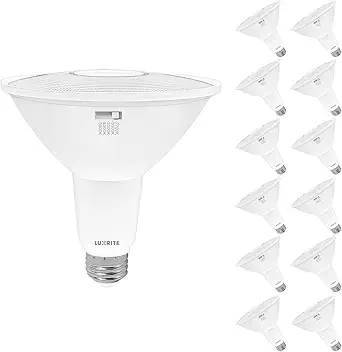
1. LED Light Bulbs
Best for: Nearly all households
LED bulbs:
Use far less energy than incandescent bulbs
Last significantly longer
Produce minimal heat
Are available in many brightness and color options
They are the most practical eco-friendly choice today.
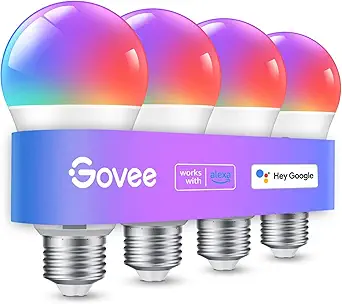
2. Smart LED Bulbs
Best for: Energy control and automation
Smart bulbs allow:
Scheduling and dimming
Remote on/off control
Integration with home systems
They can help reduce wasted lighting time when used thoughtfully.
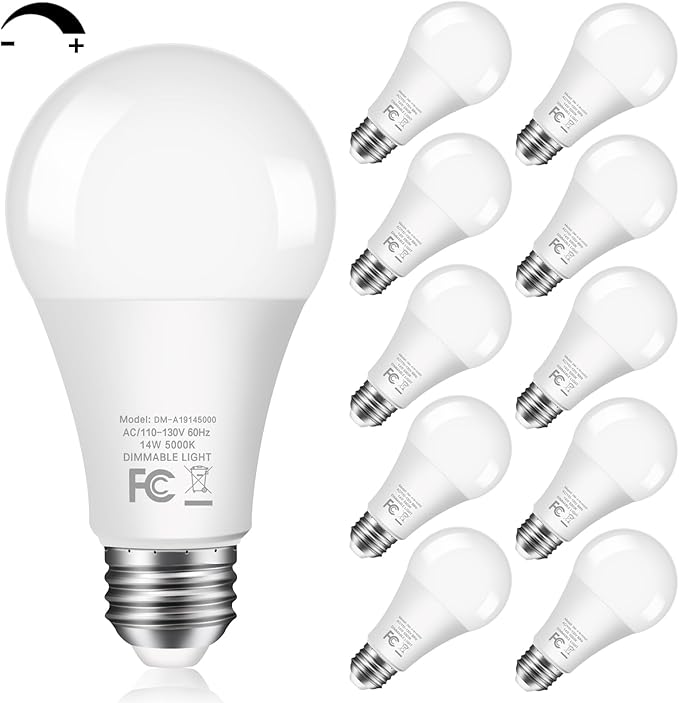
3. Dimmable LED Bulbs
Best for: Adjustable lighting
Work with compatible dimmer switches
Reduce energy use at lower brightness
Extend bulb lifespan further
Always confirm dimmer compatibility.
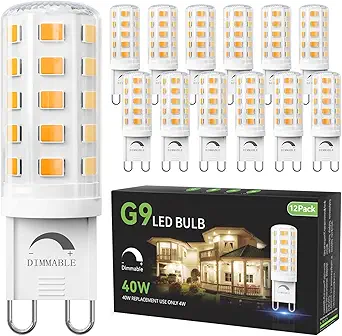
4. Specialty LED Bulbs
Best for: Specific fixtures
Includes:
Globe bulbs
Candle bulbs
Recessed lighting LEDs
Efficiency depends on correct size and use.
Understanding Brightness & Color Temperature
Lumens (Brightness)
Higher lumens = brighter light
Choose based on room use
LEDs provide more lumens per watt
Color Temperature (Kelvin)
Warm white (2700–3000K): Living spaces, bedrooms
Neutral white (3500–4100K): Kitchens, work areas
Cool white (5000K+): Task or garage lighting
Eco-friendly bulbs come in all ranges.
Energy Efficiency vs Light Quality
A good eco-friendly bulb should:
Turn on instantly
Maintain color consistency
Avoid flickering
Provide even light distribution
Efficiency is important, but comfort matters too.
What to Avoid When Choosing Light Bulbs
Be cautious with bulbs that:
Overstate energy savings
Have poor color rendering
Flicker or hum
Are incompatible with fixtures or dimmers
Use outdated technology
Quality LEDs outperform older “energy-saving” options.
How to Upgrade Lighting Efficiently
A practical approach:
Replace the most-used bulbs first
Match brightness to room function
Choose warm vs cool light intentionally
Use dimmable bulbs where appropriate
You don’t need to replace everything at once.
Environmental Impact Beyond Energy Use
Eco-friendly bulbs also:
Reduce material waste through longer lifespan
Lower heat output (less cooling demand)
Reduce packaging over time
Fewer replacements = less waste.
Frequently Asked Questions
Are LED bulbs really more eco-friendly?
Yes—primarily due to lower energy use and longer lifespan.
Do LEDs last as long as advertised?
Lifespan varies, but quality LEDs last significantly longer than traditional bulbs.
Are smart bulbs worth it?
They can be, if scheduling and automation reduce unnecessary usage.
Are eco-friendly bulbs more expensive?
Upfront cost may be higher, but long-term cost is usually lower.
Final Thoughts
Eco-friendly light bulbs are one of the simplest, most effective sustainable home upgrades. The best options:
Use LED technology
Offer consistent, comfortable light
Last for years
Fit seamlessly into existing fixtures