
Best Eco-Friendly Floor Cleaners (Safe, Effective Options for Everyday Floors)
From kitchens and hallways to living rooms and bedrooms, floors take constant wear. Choosing eco-friendly floor cleaners helps reduce unnecessary chemical exposure while keeping surfaces clean, streak-free, and well maintained.
This guide explains what makes a floor cleaner eco-friendly, how to choose the right type for your flooring, and how to clean effectively without overusing products.
This content is for informational purposes only and does not replace professional, medical, or regulatory advice.
What Makes a Floor Cleaner Eco-Friendly?
Eco-friendly floor cleaners are typically designed to:
Use plant-based or milder cleaning agents
Avoid strong synthetic fragrances
Rinse clean with minimal residue
Be suitable for frequent use
Work without harsh fumes
They aim for consistent everyday cleaning, not aggressive stripping.
Why Floor Cleaners Are a High-Impact Switch
Floor cleaners:
Are used frequently
Cover large surface areas
Can affect indoor air quality
Often leave residue if overused
Using gentler formulations—combined with correct dilution—can make a noticeable difference over time.
Who Eco-Friendly Floor Cleaners Are Best For
These cleaners are well suited for:
Homes with children or pets
Apartments and shared spaces
Frequent mopping routines
Sensitive noses or low-ventilation areas
Regular maintenance cleaning
They may not replace heavy-duty restoration products.
How We Evaluated Eco-Friendly Floor Cleaners
We focused on products that:
Clearly list intended floor types
Clean without leaving sticky residue
Work at recommended dilution levels
Avoid overpowering scent
Are widely available and consistently reviewed
Correct use matters as much as formulation.
Types of Eco-Friendly Floor Cleaners
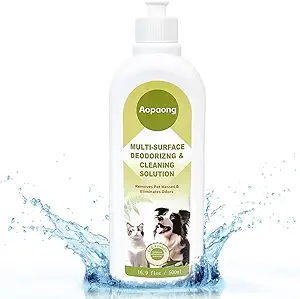
1. Multi-Surface Floor Cleaners
Best for: Mixed flooring
Suitable for tile, vinyl, laminate
Simple one-bottle solution
Ideal for general maintenance
Always check label compatibility.
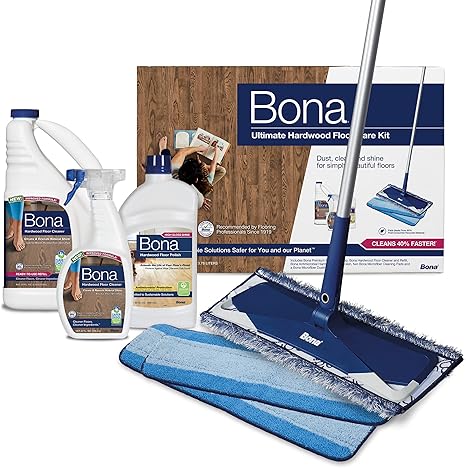
2. Wood & Hardwood Floor Cleaners
Best for: Sealed wood floors
Low-moisture formulas
Non-stripping
Designed to protect finishes
Avoid soaking wood surfaces.
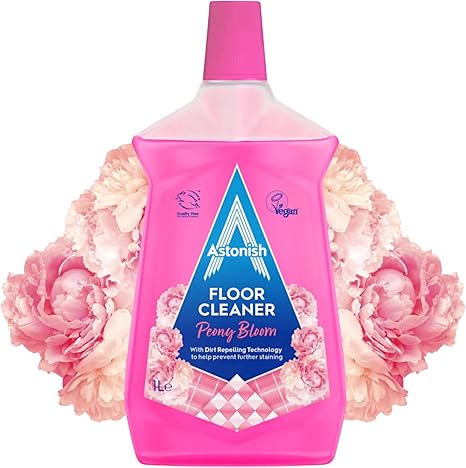
3. Concentrated Floor Cleaners
Best for: Low-waste setups
Smaller packaging
Adjustable strength
Cost-effective over time
Accurate dilution is important.
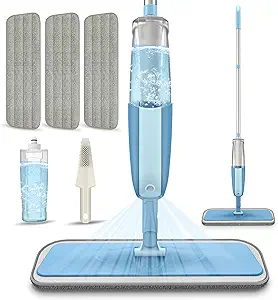
4. Spray-and-Mop Cleaners
Best for: Quick touch-ups
Light cleaning
Minimal water use
Suitable for frequent maintenance
Pair with reusable mop pads.
Common Ingredients in Eco-Friendly Floor Cleaners
Plant-Based Surfactants
Lift dirt and oils
Derived from renewable sources
Effective at low concentrations
Citric Acid
Helps with light mineral buildup
Improves rinsing
Common in tile cleaners
Water-Based Carriers
Reduce residue
Lower odor intensity
Suitable for indoor use
Light Fragrance or Fragrance-Free Options
Fragrance-free preferred for sensitive households
Mild essential-oil blends only
What to Avoid When Choosing Floor Cleaners
Be cautious with products that:
Leave sticky or cloudy residue
Require excessive product per use
Are not labeled for your floor type
Use overpowering fragrance
Make unrealistic “deep sanitizing” claims
More product ≠ cleaner floors.
How to Clean Floors More Effectively (With Less Product)
Sweep or vacuum first
Use recommended dilution
Mop with a damp—not soaking—pad
Rinse mop heads regularly
Let floors air-dry
Good technique often matters more than brand.
Floor-Type Considerations
Tile & Vinyl: Most eco cleaners work well
Laminate: Avoid excess water
Hardwood: Use wood-specific formulas
Stone: Check acid compatibility
Always follow manufacturer care guidelines.
Frequently Asked Questions
Do eco-friendly floor cleaners disinfect?
Most are designed for cleaning, not disinfecting.
Are they safe for pets?
Many are suitable for homes with pets when used as directed.
Do natural cleaners leave streaks?
Proper dilution and clean mop pads prevent streaking.
Are concentrates better?
Often yes—for waste reduction and cost.
Final Thoughts
Eco-friendly floor cleaners offer an effective way to maintain clean floors while reducing harsh residues and unnecessary fumes. The best options:
Match your floor type
Rinse clean
Work at low concentrations
Fit regular cleaning routines