
Best Eco-Friendly Cleaning Tools (Reusable, Durable Tools That Actually Work)
Cleaning tools are often overlooked when switching to eco-friendly cleaning. Many homes still rely on disposable wipes, plastic scrubbers, and short-lived tools that wear out quickly and create unnecessary waste. Eco-friendly cleaning tools focus on durability, reusability, and materials designed to last—without sacrificing cleaning performance.
This guide explains what makes a cleaning tool eco-friendly, which tools are most useful for everyday home cleaning, and how to build a practical, low-waste cleaning setup.
This content is for informational purposes only and does not replace professional, medical, or regulatory advice.
What Are Eco-Friendly Cleaning Tools?
Eco-friendly cleaning tools are designed to:
Replace disposable cleaning products
Last longer with repeated use
Use materials with lower environmental impact
Reduce plastic waste in everyday cleaning
Perform effectively without constant replacement
The goal is fewer tools, better quality, longer lifespan.
Why Switching Cleaning Tools Makes a Big Difference
Unlike liquid cleaners, tools:
Are replaced less often
Create physical waste when discarded
Often contain hard plastics
Are used daily across multiple rooms
Upgrading tools first can reduce waste quickly—without changing your cleaning routine.
Who Eco-Friendly Cleaning Tools Are Best For
These tools are ideal for:
Households reducing single-use products
Apartment or small-space living
Families with children or pets
People cleaning frequently
Anyone tired of replacing broken tools
They’re especially effective when paired with refill or concentrate cleaners.
How We Evaluated Eco-Friendly Cleaning Tools
We focused on tools that:
Are reusable and durable
Use clearly disclosed materials
Can be cleaned or maintained easily
Replace disposable alternatives
Are widely available and consistently reviewed
Eco-friendly only matters if the tool actually works.
Most Useful Eco-Friendly Cleaning Tools for Homes
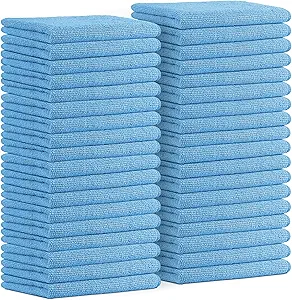
1. Reusable Microfiber Cleaning Cloths
Best for: Daily surface cleaning
Microfiber cloths:
Replace paper towels
Trap dust and dirt effectively
Work with or without spray cleaners
Are washable hundreds of times
Look for tightly woven, well-stitched cloths.
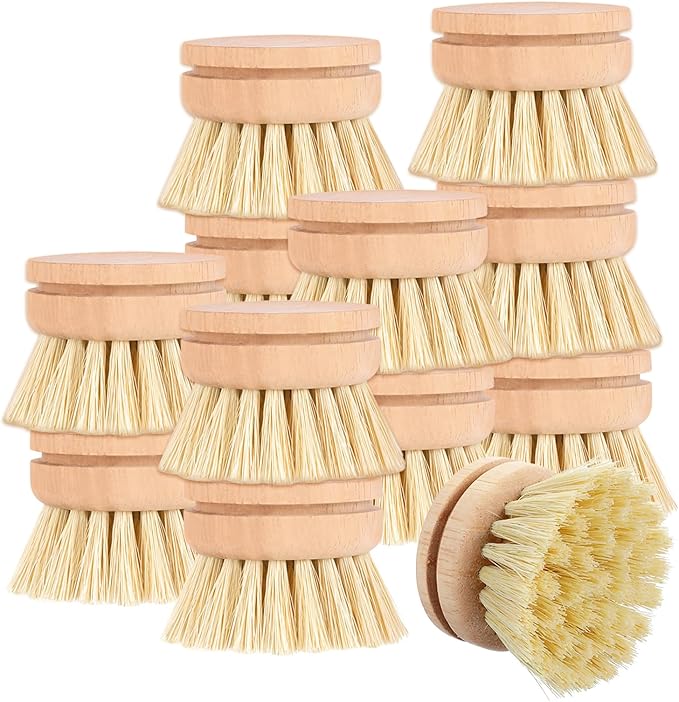
2. Bamboo or Wood Cleaning Brushes
Best for: Scrubbing dishes, sinks, and tough spots
Often used for:
Dishes and pots
Bathroom tiles
Grout and corners
Choose brushes with replaceable heads when possible.
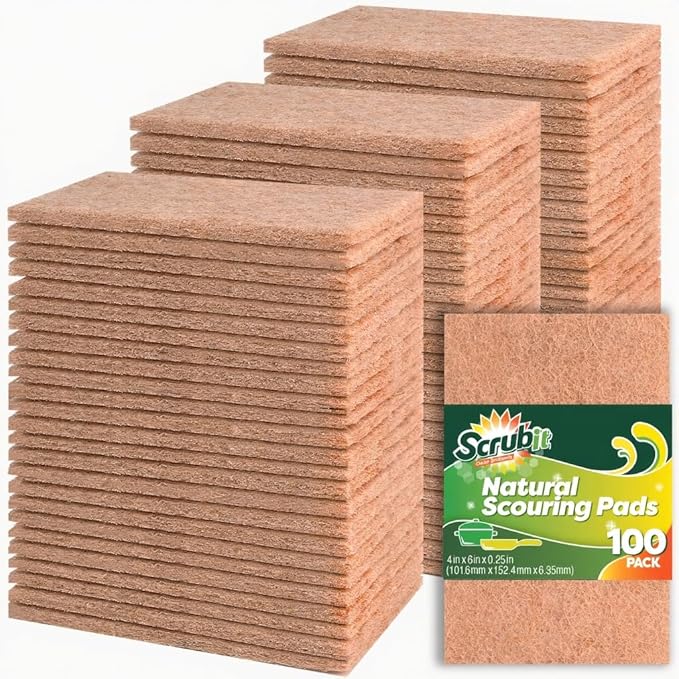
3. Natural Fiber Scrubbers & Sponges
Best for: Gentle scrubbing
Made from:
Cellulose
Plant fibers
Loofah or coconut husk
They break down more easily than plastic sponges.
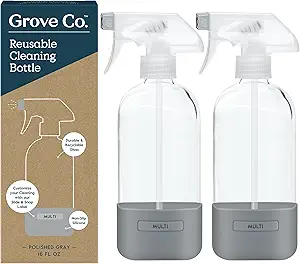
4. Refillable Spray Bottles
Best for: Multi-surface cleaning
Reusable bottles:
Pair with concentrates or DIY cleaners
Reduce single-use plastic bottles
Last for years when made well
Glass or thick recycled plastic options are most durable.
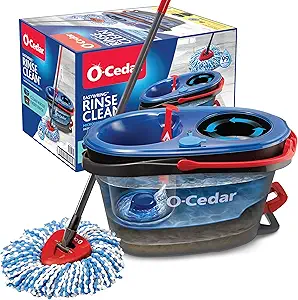
5. Durable Mop Systems
Best for: Floor cleaning
Eco-friendly mop systems focus on:
Washable mop heads
Replaceable parts
Long-lasting handles
Avoid disposable pad systems.
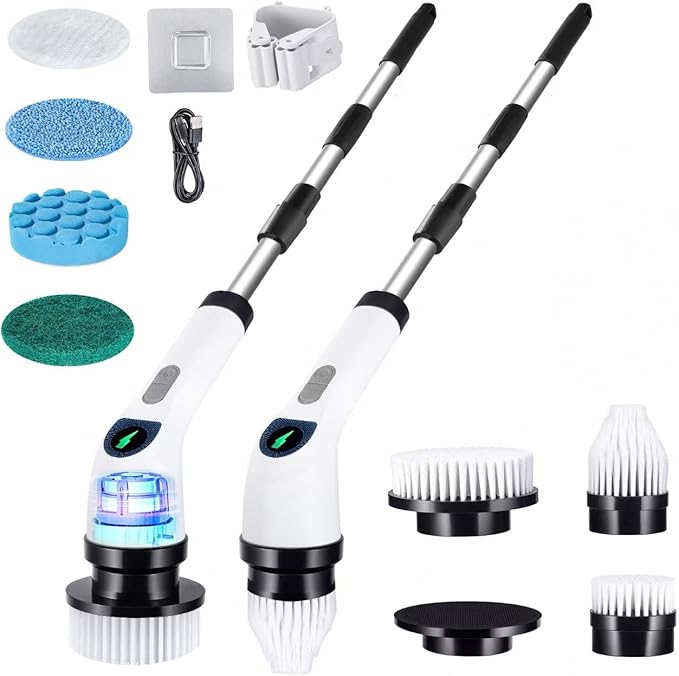
6. Handheld Scrub Brushes
Best for: Targeted cleaning
Useful for:
Stovetops
Bathroom fixtures
Sink edges
Smaller brushes often reduce the need for harsh chemicals.
Materials Commonly Used in Eco-Friendly Cleaning Tools
Bamboo
Fast-growing renewable material
Strong and lightweight
Common in brush handles
Natural Fibers
Plant-based
Biodegradable over time
Used in scrubbers and sponges
Microfiber (Synthetic but Reusable)
Extremely durable
Highly effective with less cleaner
Long lifespan reduces overall waste
Recycled Plastics
Divert plastic from landfills
Often stronger than cheap virgin plastics
Best when thick and well-designed
What to Avoid When Buying Cleaning Tools
Be cautious of tools that:
Are designed for single use
Have thin plastic handles
Fall apart after a few weeks
Can’t be cleaned properly
Are marketed as “eco” but poorly made
Durability is a key part of sustainability.
How to Build a Simple Eco-Friendly Cleaning Kit
A practical starter kit often includes:
Microfiber cloth set
Bamboo dish & scrub brush
Natural fiber sponge
Refillable spray bottle
Washable mop system
This setup covers most household cleaning tasks.
Care & Maintenance Tips
Wash cloths and mop heads regularly
Let brushes dry fully between uses
Replace heads instead of full tools
Store tools in dry, ventilated spaces
Good maintenance can double tool lifespan.
Are Eco-Friendly Cleaning Tools More Expensive?
Sometimes upfront—but:
They last longer
They replace disposables
They reduce repeat purchases
Over time, they’re often cheaper than disposable alternatives.
Frequently Asked Questions
Do microfiber cloths release microplastics?
They can over time, which is why durability and washing frequency matter. Their long lifespan still reduces overall waste compared to disposables.
Are bamboo brushes hygienic?
Yes, when rinsed and dried properly.
Can eco tools clean tough messes?
Yes—especially when paired with the right cleaner.
How often should tools be replaced?
Only when worn out. Many last months or years.
Final Thoughts
Eco-friendly cleaning tools are one of the easiest upgrades for a lower-waste home. The best tools:
Replace disposable products
Last through repeated use
Clean effectively without extra effort
Reduce plastic waste over time