
Best Chemical Free Household Cleaners
The Benefits of Using the Best Chemical Free Household Cleaners
Using chemical free household cleaners has become an increasingly popular choice for many homes. The importance of maintaining a clean living environment cannot be overstated, but the way we achieve that cleanliness is just as vital. Chemical free cleaners offer numerous benefits that elevate your home’s health while still providing an effective clean.
Healthier Indoor Air Quality
One of the most significant advantages of switching to chemical free household cleaners is the improvement in indoor air quality. Conventional cleaners often contain volatile organic compounds (VOCs) that can lead to respiratory problems and allergic reactions. By using natural alternatives, you can help reduce these harmful pollutants, making your home a safer place for you and your family.
Safer for Children and Pets
If you have young children or pets, the choice of cleaning products becomes even more critical. Children are naturally curious and can easily come into contact with harmful chemicals. Pets may unintentionally ingest these substances while exploring their surroundings. Chemical free household cleaners eliminate these risks, providing peace of mind while ensuring your loved ones are safe. Using plant-based ingredients means that even if they ingest a small amount, the potential harm is significantly reduced.
Eco-Friendly Impact
Choosing chemical free household cleaners not only benefits your family, but it also has a positive impact on the environment. Many traditional cleaners contain harsh chemicals that harm aquatic life and contribute to pollution. On the other hand, eco-friendly cleaners use biodegradable ingredients that minimize environmental damage. By making this switch, you play an active role in protecting the planet.
Cost-Effective Solutions
When you think of investing in household cleaners, chemical free doesn’t mean expensive. In fact, many homemade and natural cleaning solutions are quite affordable. Common ingredients like vinegar, baking soda, and lemon juice are not only inexpensive but incredibly effective for cleaning various surfaces. Here are some cost-effective options:
- White Vinegar: Great for disinfecting surfaces and cutting through grease.
- Baking Soda: Acts as a gentle abrasive for scrubbing and deodorizing.
- Lemon Juice: Naturally antibacterial and effective for removing stains.
Effective Cleaning Power
Many people assume that chemical cleaners work better than their natural counterparts; however, that is often a misconception. Chemical free household cleaners can be just as effective, if not more so, than traditional cleaners. For instance, the acidity in vinegar can break down mineral deposits, while the anti-microbial properties in essential oils like tea tree and lavender can effectively disinfect surfaces.
Skin-Friendly Alternatives
For those with sensitive skin or skin conditions, using chemical free cleaning products can help prevent irritation. Traditional cleaners can cause rashes or allergic reactions due to their harsh ingredients. Opting for natural alternatives minimizes these chances and allows for a more comfortable cleaning experience.
Encourages Sustainable Habits
Using chemical free cleaners encourages you to think more about the products you bring into your home. It promotes a more sustainable lifestyle, forcing you to consider the sources and contents of all your cleaning supplies. In doing so, you develop healthier habits that can extend beyond just cleaning, leading to a more conscious way of living.
As you can see, the benefits of using the best chemical free household cleaners are vast. From protecting your family’s health and improving air quality to making environmentally responsible choices, the advantages are clear. By making the switch, you not only create a safer home but also contribute positively to the world around you. Consider trying out these natural cleaners and see how they can change your cleaning routine for the better.
How to Identify Truly Chemical Free Household Products
If you want to create a safe and healthy home environment, using chemical-free household cleaners is essential. With the increasing awareness of the potential hazards of chemicals in everyday products, many people are turning to options that promise safety for both their family and the planet. However, not all products labeled as “chemical-free” live up to their claims. Here are some tips to help you identify truly chemical-free household cleaners.
Understanding Labels and Ingredients
The first step in identifying truly chemical-free cleaners is to carefully examine their labels. Look for products that list all ingredients clearly. If the label is vague or contains terms like “fragrance” or “surfactants,” it may not be as free from chemicals as advertised.
Common Misleading Terms to Avoid
- Natural: This term is not strictly regulated and can mean anything. Always check the ingredient list.
- Eco-friendly: While it suggests being good for the environment, it doesn’t confirm the absence of harmful chemicals.
- Plant-based: As with natural, some plant-based products can still include toxic substances.
Look for Certifications
Look for certifications from trusted organizations that evaluate products for safety and environmental impact. These certifications act as a reliable guide in distinguishing truly chemical-free products from those that merely claim to be. Some well-known certifications include:
- USDA Organic: Indicates that the product is made primarily from organic ingredients.
- Green Seal: Ensures that products meet rigorous environmental and health standards.
- Ecologo: Certifies that the product meets stringent criteria for environmental and health safety.
Research the Brand’s Reputation
Exploring the brand’s history and reputation can also help you gauge whether they produce truly chemical-free products. Companies that are transparent about their ingredients and production processes are generally more trustworthy. Look for brands that openly disclose their research, sourcing, and manufacturing practices. Customer reviews and third-party blogs or forums can also provide valuable insights about a brand’s credibility.
Assess the Product’s pH Level
Understanding the pH level of a cleaner can give you an idea of its chemical composition. A pH level between 6 and 8 is generally mild and indicates that a product is safe for most surfaces and won’t cause harm when used regularly. Highly acidic or alkaline products can often contain harsh chemicals that may not be safe for your home.
DIY Chemical-Free Cleaners
If you want full control over what goes into your cleaners, consider making your own. DIY cleaners can be made using simple ingredients found in your kitchen, ensuring they are free of harmful chemicals. Here is a quick recipe for an all-purpose cleaner:
- Ingredients: 1 cup of water, 1 cup of white vinegar, 10 drops of essential oil (like tea tree or lavender)
- Instructions: Mix all ingredients in a spray bottle. Shake before use.
This solution is safe, effective, and can be used on various surfaces in your home.
Pay Attention to Customer Reviews and Feedback
Listening to what other consumers are saying about products can offer insights into whether a cleaner is truly chemical-free. Check reviews on retailer websites, social media, and environmental blogs. Look for detailed accounts from customers about their experiences, especially regarding safety and effectiveness. A product with many positive reviews discussing its non-toxic attributes is likely a better choice than one with mixed or negative feedback.
Trial and Error Strategy
Don’t hesitate to experiment with different products until you find the ones that work best for your needs. Sometimes, it takes a bit of trial and error to discover the truly chemical-free cleaners that you enjoy using in your home. Keep in mind that what works for one person may not work for another, so take time to find your favorites.
Identifying truly chemical-free household cleaners requires diligence and research but can significantly impact the health of your home and family. By paying attention to ingredients, certifications, brand reputations, and customer experiences, you can make informed decisions that lead to a safer living environment.
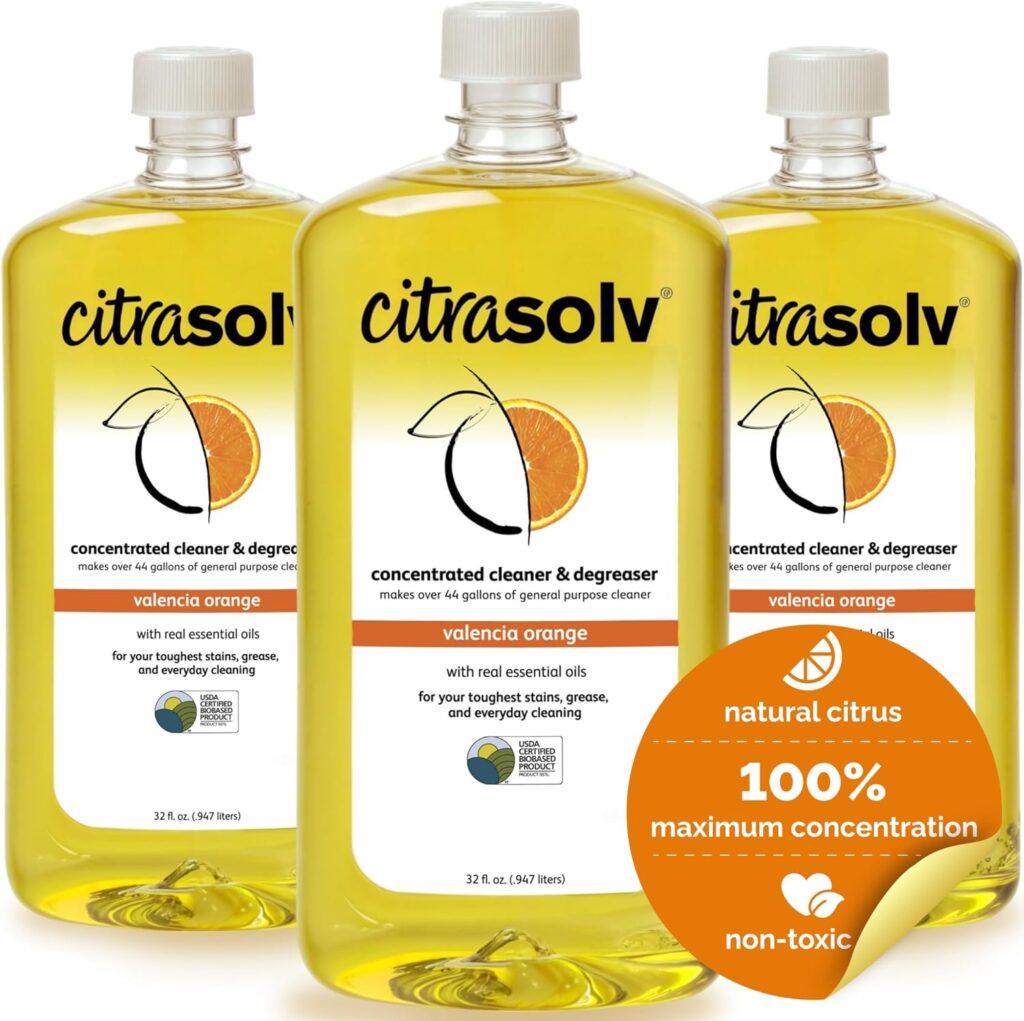
Citra Solv Concentrated Cleaner & Degreaser, Deodorizer, Paint & Adhesive Remover, for Home and Outdoor
Most popular choice right now
DIY Recipes for Effective Chemical Free Household Cleaners
Cleaning your home doesn’t have to involve harsh chemicals or synthetic fragrances. In fact, many effective household cleaners can be made using natural ingredients you probably already have at home. DIY cleaners not only save you money but are also safer for your family and pets. Let’s explore some easy and effective recipes for chemical-free household cleaners.
All-Purpose Cleaner
This versatile cleaner can be used on various surfaces, from counters to sinks, and is a staple in chemical-free cleaning.
- Ingredients:
- 1 cup water
- 1 cup vinegar
- 10-15 drops of essential oil (like tea tree or lemon)
- Instructions:
- Combine the water and vinegar in a spray bottle.
- Add essential oil and shake gently.
- Spray the solution on surfaces and wipe clean with a cloth.
This all-purpose cleaner effectively cuts through grime while leaving a fresh scent. The vinegar acts as a natural disinfectant, and the essential oils add antibacterial properties.
Window and Glass Cleaner
Keep your windows streak-free with this simple recipe.
- Ingredients:
- 1 cup water
- 1 cup vinegar
- 1 tablespoon cornstarch (optional)
- Instructions:
- Mix all ingredients in a spray bottle.
- Shake well before use.
- Spray on glass surfaces and wipe with a microfiber cloth for best results.
The addition of cornstarch can help reduce streaks, making your windows sparkle without the use of toxic chemicals.
Bathroom Cleaner
Keep your bathroom fresh and sanitized with this powerful cleaner.
- Ingredients:
- 1 cup baking soda
- 1/4 cup liquid castile soap
- 1 cup water
- 10 drops of essential oil (like lavender or eucalyptus)
- Instructions:
- In a bowl, mix the baking soda and castile soap to form a paste.
- Add water slowly until you reach the desired consistency.
- Add essential oil and stir well.
- Apply to bathroom surfaces, scrub, and rinse clean.
This bathroom cleaner effectively tackles soap scum and mildew, thanks to the natural cleaning properties of baking soda and the antibacterial properties of castile soap.
Carpet Freshener
Keep your carpets smelling fresh with this easy-to-make carpet deodorizer.
- Ingredients:
- 1 cup baking soda
- 10-15 drops of your favorite essential oil (such as lemon or peppermint)
- Instructions:
- Combine baking soda and essential oil in a bowl.
- Transfer the mixture to a shaker jar.
- Sprinkle on carpets, let sit for 15 minutes, then vacuum.
This freshener neutralizes odors and leaves your carpets smelling amazing without any harmful ingredients.
Furniture Polish
Your furniture deserves gentle care without harsh chemicals. Here’s a cozy recipe for DIY furniture polish.
- Ingredients:
- 1 cup olive oil
- 1/2 cup vinegar
- 10 drops of essential oil (like orange or lemon)
- Instructions:
- Mix all ingredients in a spray bottle.
- Shake well before each use.
- Apply a small amount to a clean cloth and wipe down furniture.
This furniture polish nourishes wood while providing a protective layer, all without the chemicals found in commercial products.
By creating your own chemical-free household cleaners, you not only help the environment but also enhance your health and well-being. With a few basic ingredients, you can have a clean home without compromising on safety. Try out these recipes today and enjoy a cleaner, greener space!
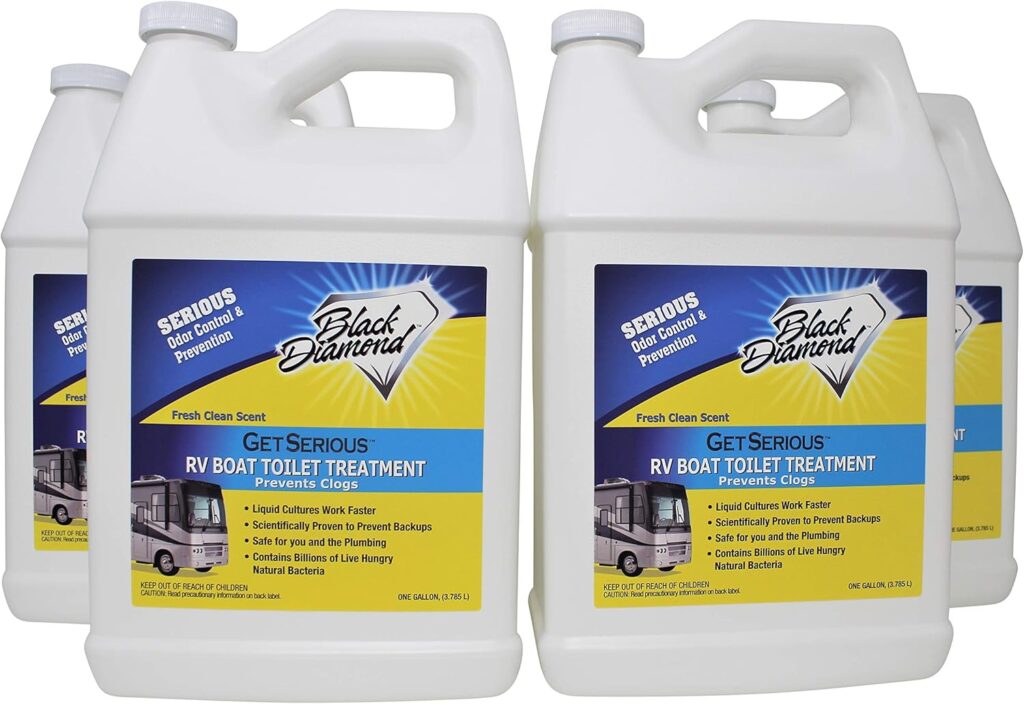
GET SERIOUS RV, Boat, Camper Chemical Toilet Holding Tank Treatment and Deodorizer.
Most popular choice right now
Comparing Commercial vs. Homemade Chemical Free Cleaners
When it comes to cleaning your home, the choice between commercial and homemade chemical-free cleaners often sparks debate. Understanding the pros and cons of each option can help you make an informed decision that aligns with your health, budget, and environmental values.
What Are Commercial Chemical-Free Cleaners?
Commercial chemical-free cleaners are made by companies that formulate their products with natural ingredients and no harmful chemicals. These cleaners are often marketed as eco-friendly and are designed to provide effective cleaning without the use of toxins. Common ingredients in these products might include vinegar, baking soda, and essential oils.
Advantages of Commercial Cleaners
- Convenience: One of the main benefits of using commercial cleaners is the convenience they offer. They come pre-mixed in a bottle, and you can simply spray or pour them onto surfaces. This can save you time and effort, especially for busy households.
- Consistency: Commercial products often provide consistent results. You can rely on the performance of these cleaners to effectively tackle tough stains and grime.
- Research and Development: Many brands invest in research to optimize their formulations. They may provide detailed instructions and specific formulations targeting unique cleaning challenges.
Disadvantages of Commercial Cleaners
- Cost: Commercial chemical-free cleaners tend to be more expensive than homemade options. Over time, the costs can add up, especially if you use multiple products.
- Packaging Waste: Most commercial cleaners come in plastic bottles, contributing to environmental waste. This is a concern for eco-conscious consumers looking to reduce their footprint.
- Limited Control Over Ingredients: Although marketed as chemical-free, some commercial cleaners may still contain preservatives or undisclosed ingredients. This can lead to concerns about allergens or sensitivities.
What Are Homemade Chemical-Free Cleaners?
Homemade chemical-free cleaners are mixtures you can create using common household items. These simple recipes often utilize ingredients like vinegar, baking soda, lemon juice, and essential oils, which can be just as effective as commercial options.
Advantages of Homemade Cleaners
- Cost-Effective: Homemade cleaners are typically more affordable. Many ingredients can be found in your kitchen, making them a budget-friendly option for households.
- Customizable: You have full control over what goes into your homemade cleaners. This means you can customize scents or create mixtures that work best for your specific cleaning needs.
- Eco-Friendly: By using refillable containers and avoiding synthetic chemicals, homemade cleaners are often more environmentally friendly, reducing plastic waste and chemical runoff into the environment.
Disadvantages of Homemade Cleaners
- Time-Consuming: Creating your own cleaners can take extra time and effort. You’ll need to measure and mix ingredients, which can be less convenient than grabbing a commercial product off the shelf.
- Inconsistent Results: Without the precise formulation of commercial products, homemade cleaners may yield inconsistent results. You might find that some DIY recipes work better than others.
- Shorter Shelf Life: Homemade cleaners usually have a shorter shelf life compared to their commercial counterparts, as they lack preservatives. You’ll need to make smaller batches to ensure freshness.
Which Option is Right for You?
The choice between commercial and homemade chemical-free cleaners largely depends on your household needs and preferences. If you value convenience and consistency, commercial cleaners might suit you better. However, if you prefer a cost-effective, customizable, and eco-friendly approach, homemade cleaners could be the answer.
Ultimately, both options offer chemical-free solutions that can help keep your home clean while protecting the health of your family and the environment. Assess your priorities, and consider trying both to see which method fits your lifestyle best. Your home cleaning routine can be as unique as you are!
The Environmental Impact of Choosing Chemical Free Cleaning Solutions
Choosing chemical-free cleaning solutions has become an essential lifestyle choice for many individuals concerned about the environment. Traditional cleaning products often contain harsh chemicals that can harm both human health and the planet. By opting for eco-friendly alternatives, you can significantly reduce your environmental footprint while maintaining a clean and safe home.
Understanding Chemical-Free Cleaners
Chemical-free cleaning solutions are typically made from natural, biodegradable ingredients. These products not only clean effectively but also minimize the presence of toxic substances in your environment. This is crucial as many conventional cleaners contain synthetic fragrances, parabens, and phosphates, which pose risks not just to humans but also to aquatic life when washed down our drains.
Benefits of Chemical-Free Cleaning Solutions
- Safer for You and Your Family: Chemical-free cleaners eliminate the risk of toxic exposure in your home. This is especially important for households with children or pets, who may unknowingly come in contact with harmful substances.
- Healthier Indoor Air Quality: Many chemical cleaners release volatile organic compounds (VOCs) into the air, which can cause respiratory issues and other health problems. Natural cleaners, on the other hand, generally lack these harmful chemicals, making indoor spaces healthier.
- Eco-Friendly: By using chemical-free solutions, you contribute to reducing environmental pollution. These products are often biodegradable and do not harm aquatic ecosystems, preserving biodiversity.
- Lower Environmental Impact: Many conventional cleaning products require extensive manufacturing processes that contribute to greenhouse gas emissions. Choosing chemical-free alternatives helps reduce your carbon footprint.
- Cost-Effective: You can make many effective cleaning solutions at home using simple ingredients like vinegar, baking soda, and lemon juice. This not only saves money but also reduces plastic waste from commercial packaging.
Key Ingredients in Chemical-Free Cleaners
When selecting chemical-free cleaning solutions, look for products that contain natural ingredients such as:
- Sodium Bicarbonate (Baking Soda): This common household item is effective for scrubbing surfaces, deodorizing, and removing stains.
- White Vinegar: A powerful natural disinfectant, white vinegar helps break down grease and removes odors, making it ideal for cleaning kitchens and bathrooms.
- Lemon Juice: The acidity in lemon juice makes it a great choice for cutting through grime and leaving a fresh scent.
- Castile Soap: This biodegradable soap is versatile and can be used for cleaning various surfaces while being gentle on the environment.
Choosing Chemical-Free Products Wisely
When selecting chemical-free cleaning products, it’s essential to read labels carefully. Look for certifications such as “EcoLabel” or “Green Seal” that ensure the product meets specific environmental standards. Additionally, consider supporting local brands that prioritize sustainability and ethical practices.
DIY cleaning solutions are another great option to reduce your environmental impact. Not only do they reduce chemical use, but they also allow you to control the ingredients in your home. Plus, it’s a fun activity that can involve family members in helping maintain a clean environment! Experimenting with different recipes can lead you to discover what works best for your space.
The Broader Impact of Making the Switch
Adopting chemical-free cleaning solutions is a piece of the larger puzzle of living sustainably. Every household choice contributes to a healthier planet. When more individuals make eco-conscious cleaning choices, the demand for greener products increases, ultimately encouraging manufacturers to create even more environmentally friendly options. This shift not only benefits the current environment, but sets a positive precedent for future generations.
In this way, choosing chemical-free cleaners is not just an individual decision but a collective lifestyle change that leads to positive environmental impacts. By making small adjustments in our cleaning routines, we can collectively foster healthier homes and a cleaner planet.
Conclusion
Making the switch to the best chemical free household cleaners is more than just a trend; it’s a commitment to a healthier living environment. By opting for these cleaners, you not only protect your family from harmful toxins but also contribute to the well-being of our planet. Understanding how to identify truly chemical free products is crucial, as many brands can mislead consumers with clever marketing.
Embracing DIY recipes for effective chemical free cleaners also empowers you to take control of what goes into your home. Simple ingredients like vinegar, baking soda, and essential oils can be combined to create powerful cleaning solutions that are safe for you and your family. While commercial cleaners may be convenient, homemade options can save you money, reduce waste, and allow for customization to suit your specific needs.
The environmental impact of choosing chemical free cleaning solutions cannot be understated. Every bottle of chemical free cleaner you purchase or homemade solution you create lessens the burden on our landfills and waterways. As you make thoughtful choices in your cleaning routine, you contribute to a cleaner, greener future.
Engaging with this sustainable practice doesn’t have to be overwhelming. Whether you choose to buy from trusted brands or create your own cleaners at home, the benefits are clear. By being mindful of your cleaning products, you are taking a significant step towards not just a cleaner home, but a healthier planet. Every small change matters, and you have the power to make a difference.
EcoCasaLife Recommended Products






As an Amazon Associate, we earn from qualifying purchases.

This article was written by Rozen and reviewed by the Ecocasalife Editorial Team for accuracy.
Rozen is the founder of EcoCasaLife, the strategic resource for sustainable home investment. With a background that blends financial acumen and tech enthusiasm, Rozen approaches sustainability not just as a lifestyle choice, but as a smart financial decision.