
Best Plastic-Free Kitchen Essentials
Plastic-free kitchen essentials are designed to eliminate plastic from everyday cooking, food prep, and storage routines. Traditional kitchens rely heavily on plastic utensils, containers, and accessories that wear out quickly and contribute to long-term waste and microplastic exposure.
Plastic-free kitchen essentials focus on durable, natural, or recyclable materials that support daily kitchen tasks without disposable or synthetic components. When chosen carefully, they reduce household waste, improve food safety, and support a cleaner, more sustainable kitchen environment.
This guide explains what plastic-free kitchen essentials are, why they matter, which items deliver the most impact, and how to choose the best options for zero-waste living.
What Are Plastic-Free Kitchen Essentials?
Plastic-free kitchen essentials are everyday kitchen tools and accessories made without synthetic plastic materials.
They typically:
use wood, metal, glass, or silicone
replace disposable or plastic-based items
reduce microplastic exposure
support long-term reuse
Material transparency is key to truly plastic-free products.
Why Plastic-Free Kitchen Essentials Matter
Plastic is one of the largest contributors to household waste and microplastic pollution. Plastic-free kitchen essentials help by:
reducing plastic waste at the source
minimizing microplastic contact with food
improving durability and lifespan
supporting zero-waste kitchen systems
simplifying recycling and disposal
Daily kitchen use amplifies their impact.
Who Plastic-Free Kitchen Essentials Are Best For
Plastic-free kitchen essentials are especially suitable for:
zero-waste and low-waste households
people reducing plastic exposure
eco-conscious families
anyone upgrading kitchen tools sustainably
households focused on food safety
They are suitable for both beginner and advanced zero-waste kitchens.
How We Evaluated Plastic-Free Kitchen Essentials
We focused on essentials that:
replace high-use plastic items effectively
use durable, food-safe materials
withstand daily cooking and cleaning
integrate easily into kitchen routines
offer long product lifespan
Practical performance and material quality were evaluated together.
Common Types of Plastic-Free Kitchen Essentials
1. Wooden and Bamboo Utensils
durable and compostable
safe for cookware
2. Glass Food Storage and Jars
non-reactive and long-lasting
ideal for pantry storage
3. Stainless Steel Kitchen Tools
resistant to wear
recyclable at end of life
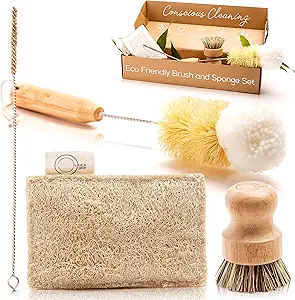
4. Natural Fiber Dish Brushes and Cloths
replace plastic sponges
biodegradable options available
Replacing the most-used items delivers the fastest results.
Key Features to Look For
food-safe materials
durability under daily use
ease of cleaning
minimal or plastic-free packaging
clear material sourcing
Avoid products with hidden plastic coatings or components.
Common Mistakes to Avoid
assuming “eco” means plastic-free
replacing items that still function well
choosing low-quality materials
neglecting proper care
overbuying unnecessary tools
Intentional upgrades work best.
Frequently Asked Questions
Are plastic-free kitchen tools durable?
Yes, many outlast plastic alternatives.
Do plastic-free tools require special care?
Some need drying or oiling, depending on material.
Are plastic-free kitchens realistic?
Yes, most daily tools have plastic-free alternatives.
Do plastic-free tools cost more?
Some cost more upfront but last longer.
Final Thoughts
Plastic-free kitchen essentials offer a practical path toward reducing waste and minimizing plastic exposure in daily cooking routines. By choosing durable, natural materials, households can build kitchens that are both functional and environmentally responsible.
For zero-waste living, plastic-free kitchen essentials are a powerful step toward a cleaner, healthier kitchen.