
Best Eco-Friendly Home Insulation
Eco-friendly home insulation is designed to improve thermal performance while reducing environmental impact and exposure to harmful materials. Traditional insulation often relies on petrochemical-based products that can release irritants and contribute to long-term environmental damage.
Eco-friendly home insulation focuses on renewable, recycled, or low-toxicity materials that help regulate indoor temperatures, reduce energy loss, and improve overall home efficiency. When chosen carefully, it lowers heating and cooling costs while supporting healthier indoor living conditions.
This guide explains what eco-friendly home insulation is, why it matters, where it delivers the biggest impact, and how to choose the right insulation for sustainable upgrades.
What Is Eco-Friendly Home Insulation?
Eco-friendly home insulation refers to insulation materials designed to minimize environmental and health impact while maintaining strong thermal performance.
They typically:
use recycled or renewable materials
reduce energy loss through walls, ceilings, and floors
improve indoor temperature stability
avoid high-toxicity chemical additives
Material composition is key to sustainability.
Why Eco-Friendly Home Insulation Matters
Poor insulation leads to constant energy loss. Eco-friendly home insulation helps by:
reducing heating and cooling demand
lowering energy bills year-round
improving indoor comfort
reducing carbon emissions
supporting long-term home efficiency
Insulation upgrades deliver continuous savings.
Who Eco-Friendly Home Insulation Is Best For
Eco-friendly home insulation is especially suitable for:
homeowners renovating or upgrading
older homes with poor insulation
people sensitive to indoor air pollutants
energy-conscious households
those planning long-term occupancy
Some insulation types require professional installation.
How We Evaluated Eco-Friendly Home Insulation
We focused on insulation materials that:
provide strong thermal resistance
use low-impact or recycled inputs
support moisture control
maintain durability over time
meet building safety standards
Performance and sustainability were evaluated together.
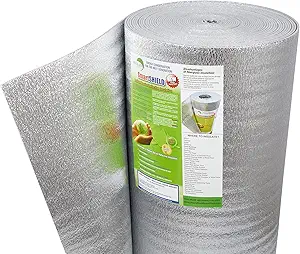
Common Types of Eco-Friendly Home Insulation
1. Cellulose Insulation
made from recycled paper
excellent thermal performance
2. Sheep’s Wool Insulation
natural and renewable
moisture-regulating properties
3. Cork Insulation
renewable bark material
long lifespan
4. Recycled Denim Insulation
repurposed textile fibers
low-toxicity composition
Material choice depends on climate and structure.
Key Features to Look For
high thermal resistance (R-value)
moisture and mold resistance
non-toxic or low-VOC materials
fire safety ratings
compatibility with home structure
Avoid insulation without certified performance data.
Common Mistakes to Avoid
ignoring air sealing needs
choosing insulation without moisture planning
focusing only on material cost
improper installation
skipping professional assessment when needed
Insulation works best as part of a system.
Frequently Asked Questions
Does eco-friendly insulation work as well as traditional insulation?
Yes, many options match or exceed traditional performance.
Is eco-friendly insulation more expensive?
Some cost more upfront but save energy long-term.
Can insulation improve indoor air quality?
Yes, low-toxicity materials reduce indoor pollutants.
Is professional installation required?
Some types require it; others are DIY-friendly.
Final Thoughts
Eco-friendly home insulation is one of the most impactful sustainable home upgrades available. By reducing energy loss and improving indoor comfort, it delivers long-term savings while supporting healthier living environments.
For sustainable homes, eco-friendly insulation forms the foundation of efficient energy use and comfort.