
Best Non-Toxic Disinfectant Cleaners
Non-toxic disinfectant cleaners are designed to reduce germs and bacteria without exposing households to harsh chemicals commonly found in conventional disinfectants. Traditional disinfectants often rely on strong synthetic compounds that can irritate the skin, lungs, and eyes—especially with frequent use.
Non-toxic disinfectant cleaners focus on safer active ingredients that balance germ reduction with improved indoor air quality and reduced chemical exposure. When chosen carefully, they provide practical hygiene support while maintaining a healthier home environment.
This guide explains what non-toxic disinfectant cleaners are, why they matter, how they differ from standard disinfectants, and how to choose safer options for regular household use.
What Are Non-Toxic Disinfectant Cleaners?
Non-toxic disinfectant cleaners are cleaning products formulated to reduce harmful microorganisms using lower-toxicity active ingredients.
They typically:
avoid chlorine bleach and harsh quaternary ammonium compounds
exclude artificial fragrances and dyes
use safer disinfecting agents or botanical-based actives
produce fewer irritating fumes
Non-toxic refers to safer chemical profiles, not the absence of cleaning action.
Why Non-Toxic Disinfectant Cleaners Matter
Disinfectants are often used in enclosed indoor spaces. Non-toxic disinfectant cleaners help by:
reducing inhalation of harsh fumes
lowering skin and respiratory irritation
improving indoor air quality
making cleaning safer around children and pets
supporting frequent, routine use without buildup
Repeated exposure makes safer disinfecting options important.
Who Non-Toxic Disinfectant Cleaners Are Best For
Non-toxic disinfectant cleaners are especially suitable for:
households with children or pets
people with asthma or chemical sensitivities
homes with limited ventilation
eco-conscious households
anyone reducing chemical exposure
They may be less suitable for medical or industrial disinfection needs.
How We Evaluated Non-Toxic Disinfectant Cleaners
We focused on disinfectants that:
clearly disclose active ingredients
avoid high-risk chemical disinfectants
provide reasonable germ reduction
are safe for frequent household use
align with non-toxic and eco-friendly standards
Safety, transparency, and practicality were evaluated together.
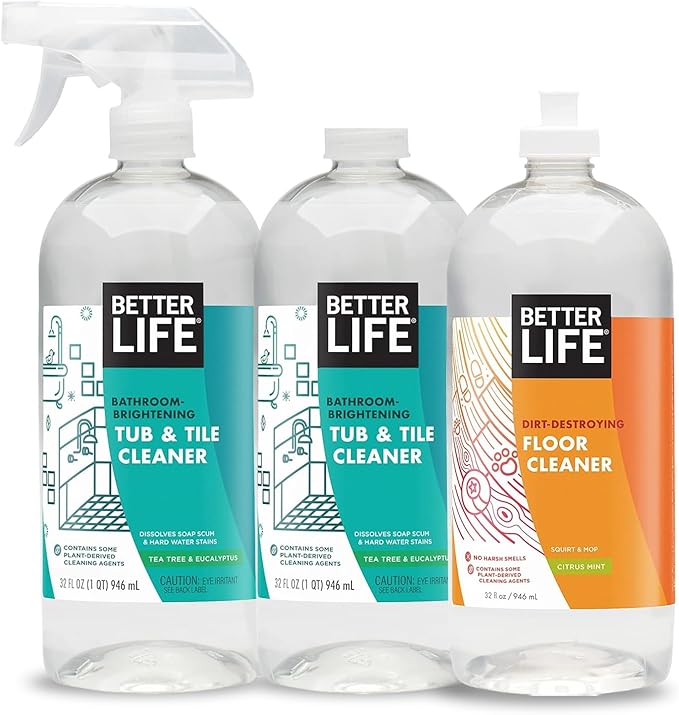

Key Features to Look For
safer disinfecting agents
clear usage and dwell-time instructions
low or no fragrance
surface compatibility
recyclable or refillable packaging
Avoid products with vague “non-toxic” claims but no ingredient clarity.
Common Household Areas for Non-Toxic Disinfectants
kitchen counters and sinks
bathroom fixtures
high-touch surfaces (handles, switches)
toys and pet areas
frequently shared spaces
High-contact areas benefit most from safer disinfecting formulas.
Common Mistakes to Avoid
assuming all disinfectants must be harsh
skipping recommended contact time
overusing disinfectants unnecessarily
mixing disinfectants with other cleaners
ignoring surface compatibility
Proper use ensures both safety and effectiveness.
Frequently Asked Questions
Do non-toxic disinfectant cleaners kill germs?
They reduce germs effectively when used as directed.
Are they as strong as bleach?
They may work differently and may not meet medical-grade standards.
Are they safe for food surfaces?
Some are, but labels should always be checked.
Do they leave residues?
Quality formulas are designed to minimize residue.
Final Thoughts
Non-toxic disinfectant cleaners offer a safer way to maintain hygiene without exposing households to harsh chemical disinfectants. By choosing transparent, well-formulated products, homes can reduce germ spread while protecting indoor air quality and long-term health.
For families and eco-conscious households, non-toxic disinfectant cleaners provide a balanced approach to cleanliness and safety.