
Best Water-Saving Shower Heads (Save Water Without Losing Pressure)
Energy-efficient home devices help households reduce electricity and standby power use through smarter design, automation, and improved efficiency. Unlike one-time changes, these devices can optimize energy use continuously when chosen and used correctly.
This guide explains which home devices are truly energy-efficient, where they make the most sense, and how to prioritize upgrades based on real-world use—not hype.
This content is for informational purposes only and does not replace manufacturer specifications or local energy guidance.
What Makes a Home Device Energy-Efficient?
Energy-efficient devices typically:
Use less power for the same task
Reduce standby (“phantom”) energy draw
Automate usage to avoid waste
Provide feedback or controls for smarter use
Maintain performance without excess consumption
Efficiency comes from design + behavior, not labels alone.
Why Energy-Efficient Devices Matter
Even when appliances are “off,” many still draw power. Over time, small inefficiencies add up—especially in homes with multiple electronics.
Energy-efficient devices help by:
Cutting standby power
Reducing unnecessary runtime
Improving control over usage
Supporting consistent habits
They’re most effective when paired with mindful use.
Who Energy-Efficient Home Devices Are Best For
These upgrades are ideal for:
Homes with many electronics
Remote workers
Families with varied schedules
Renters seeking non-permanent upgrades
Anyone tracking energy costs
They’re useful in both apartments and houses.
How We Evaluated Energy-Efficient Home Devices
We focused on devices that:
Address common sources of energy waste
Are easy to install and use
Offer measurable efficiency benefits
Don’t require major home modifications
Are widely available and well reviewed
Practical impact matters more than novelty.
Most Useful Energy-Efficient Home Devices
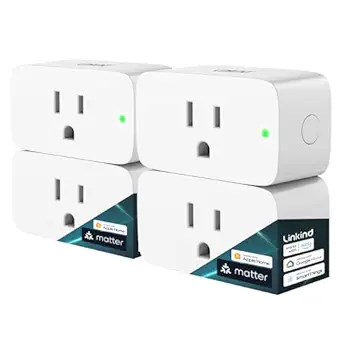
1. Smart Plugs
Best for: Eliminating standby power
Smart plugs allow you to:
Schedule on/off times
Control devices remotely
Cut power to idle electronics
They’re ideal for lamps, chargers, and office equipment.
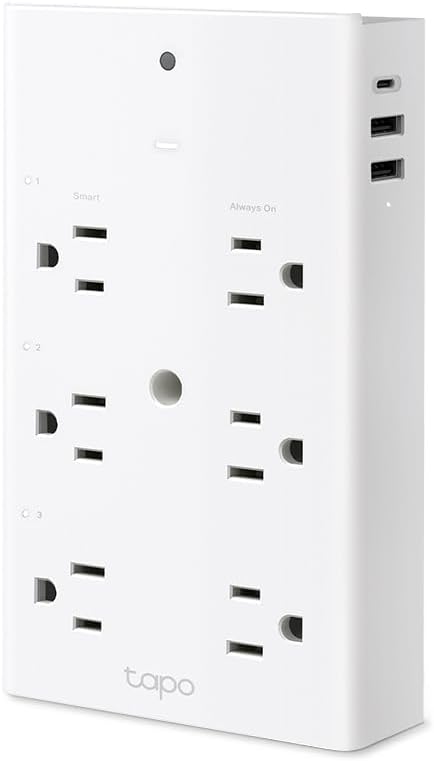
2. Smart Power Strips
Best for: Entertainment & workstations
These strips:
Shut off peripherals when a main device turns off
Reduce phantom energy draw
Require minimal setup
Useful for TVs, gaming setups, and home offices.
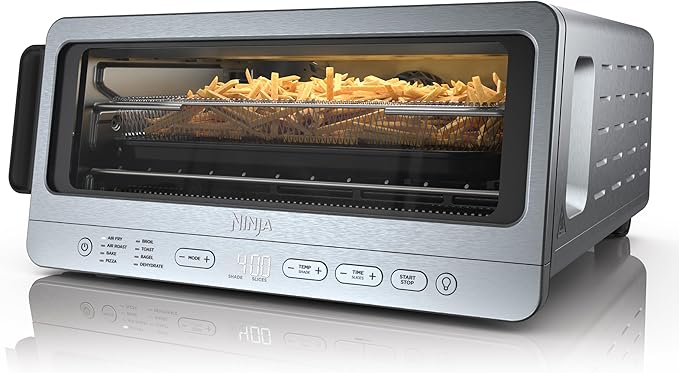
3. Energy-Efficient Appliances (Targeted)
Best for: High-usage replacements
When replacing appliances, look for:
Efficient motors and compressors
Clear efficiency ratings
Appropriate sizing for your needs
Replacement makes sense when old units are failing or inefficient.
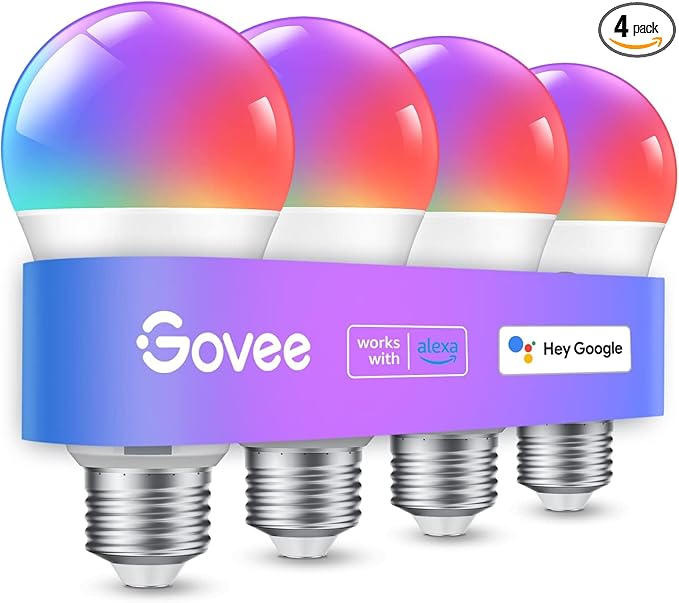
4. Smart Lighting Controls
Best for: Automated efficiency
Includes:
Motion sensors
Timers
Room-based controls
They prevent lights being left on unnecessarily.
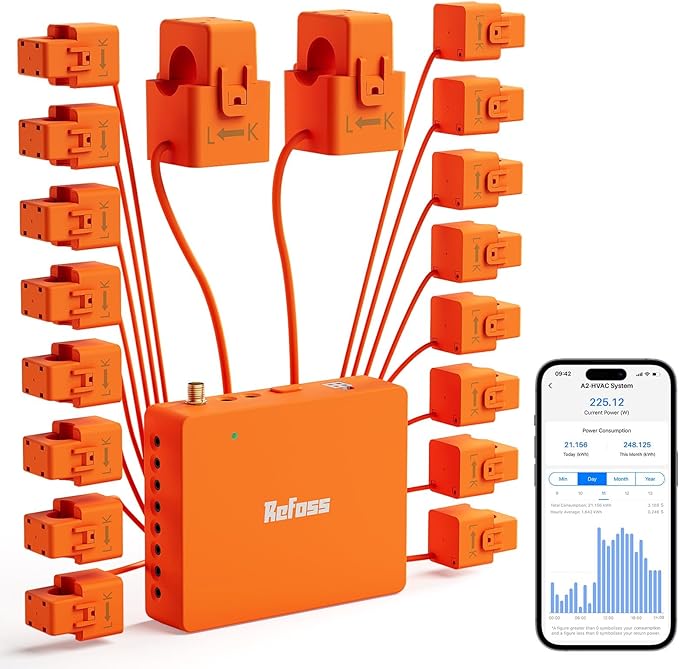
5. Energy Monitoring Devices
Best for: Visibility and behavior change
These devices:
Track real-time usage
Highlight energy-heavy appliances
Support informed adjustments
Awareness often leads to better habits.
Where Energy-Efficient Devices Have the Most Impact
Focus first on:
Home offices
Entertainment centers
Kitchens with multiple appliances
Frequently used rooms
Devices left plugged in constantly
Targeting high-use areas improves results.
Installation & Setup Considerations
Most devices:
Plug into existing outlets
Don’t require tools
Take minutes to configure
Use apps or simple controls
Avoid devices that complicate daily routines.
What to Avoid When Choosing Energy Devices
Be cautious with products that:
Promise guaranteed savings
Require subscriptions for basic features
Have confusing interfaces
Lack clear usage data
Don’t address a real waste source
Simplicity improves adoption and results.
How to Prioritize Upgrades
A practical order:
Smart plugs or power strips
Lighting controls
Monitoring devices
Appliance upgrades (when needed)
Start small and expand where benefits are clear.
Frequently Asked Questions
Do energy-efficient devices really reduce bills?
They can—especially when replacing standby waste or automating usage.
Are smart devices necessary?
No, but they make efficiency easier to maintain.
Are appliance upgrades worth it?
Yes, when replacing old or failing units.
Do these devices work for renters?
Many are plug-and-play and renter-friendly.
Final Thoughts
Energy-efficient home devices help reduce ongoing energy use by improving control, cutting waste, and supporting smarter habits. The best options:
Address real sources of energy loss
Are easy to use consistently
Fit your home and routines
Provide clear value over time