
Best Water-Saving Shower Heads (Save Water Without Losing Pressure)
Showers account for a significant share of household water use—and hot water adds energy costs on top. Water-saving shower heads are designed to limit flow intelligently while maintaining a satisfying spray pattern.
This guide explains how water-saving shower heads work, which features actually matter, and how to choose a model that fits your plumbing and preferences.
This content is for informational purposes only and does not replace manufacturer specifications or local plumbing guidance.
What Makes a Shower Head Water-Saving?
Water-saving shower heads typically:
Limit flow rate (measured in GPM)
Use pressure-compensating technology
Optimize spray patterns for coverage
Reduce hot-water demand
Maintain comfort with less water
Efficiency comes from smart flow control, not weak output.
Why Shower Heads Are a Smart Upgrade
Compared to many home upgrades, shower heads:
Install in minutes
Cost relatively little
Reduce water and energy use immediately
Affect daily routines without disruption
They’re ideal for renters and homeowners alike.
Who Water-Saving Shower Heads Are Best For
They’re especially useful for:
Homes with frequent showers
Families sharing bathrooms
Apartments with water restrictions
Anyone noticing high hot-water usage
People wanting quick ROI upgrades
They’re less helpful if showers are already very short.
How We Evaluated Water-Saving Shower Heads
We focused on models that:
Balance low flow with strong pressure
Fit standard shower arms
Offer consistent spray patterns
Are durable and easy to clean
Are widely available and well reviewed
Comfort is non-negotiable—no one wants a weak shower.
Understanding Flow Rates (GPM)
2.5 GPM: Older standard (higher use)
2.0 GPM: Common efficient option
1.8 GPM: Strong efficiency with good pressure
≤1.5 GPM: Maximum savings, pressure depends on design
Lower GPM saves more—but design quality matters most.
Types of Water-Saving Shower Heads
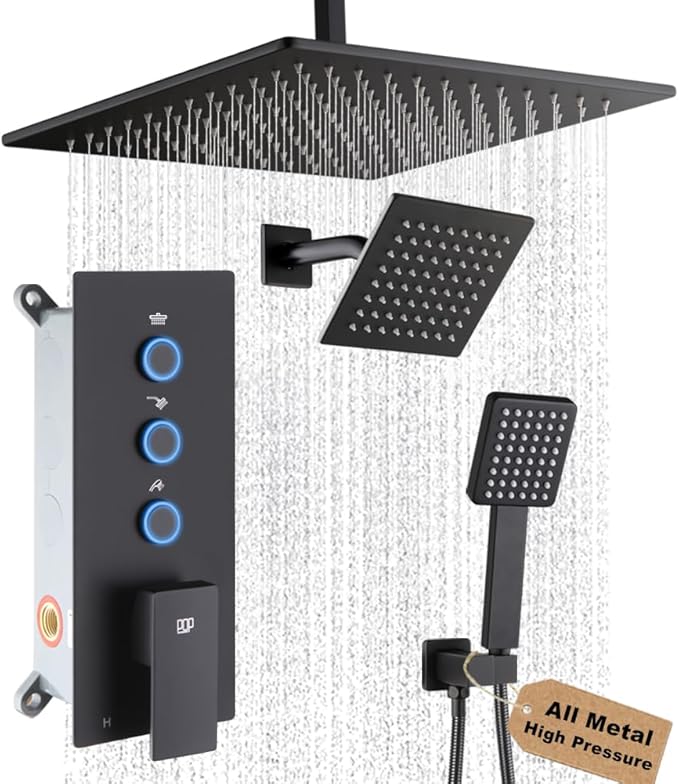
1. Fixed (Wall-Mounted) Shower Heads
Best for: Simplicity
Easy installation
Fewer moving parts
Consistent performance
Good choice for most bathrooms.
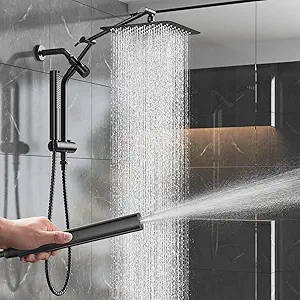
2. Handheld Shower Heads
Best for: Flexibility
Useful for cleaning and accessibility
Often include multiple spray settings
Slightly more parts to maintain
Choose models with pressure compensation.
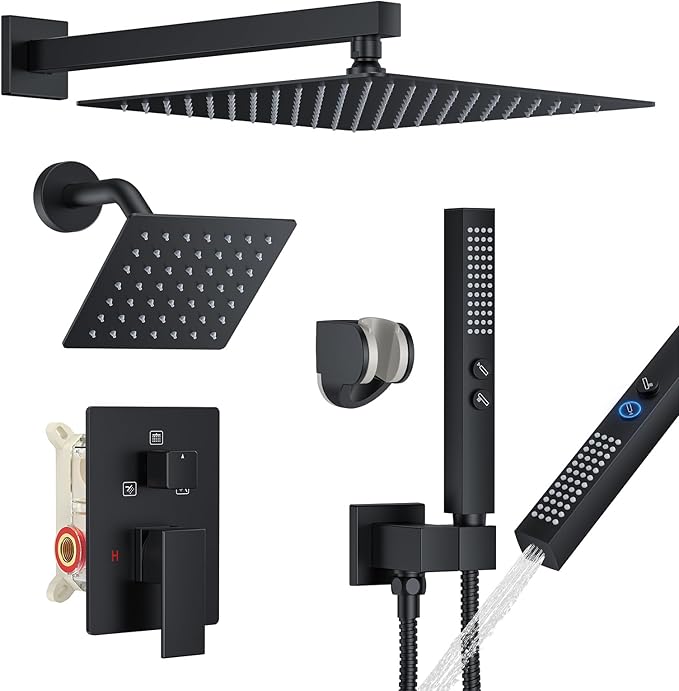
3. Dual Shower Head Systems
Best for: Customization
Combine fixed + handheld
Higher upfront cost
Ensure combined flow stays efficient
Check total GPM rating carefully.
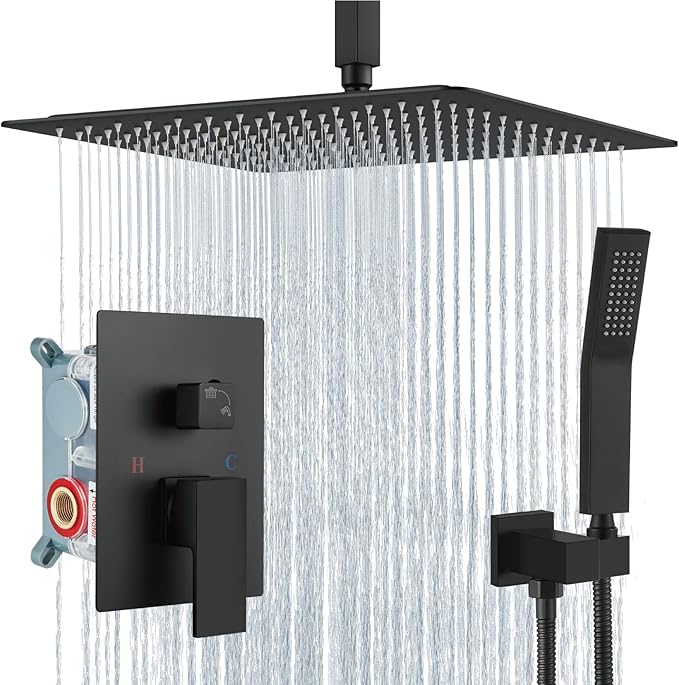
4. High-Pressure Low-Flow Designs
Best for: Comfort seekers
Use air-infusion or pressure chambers
Maintain spray feel at lower flow
Ideal for low-pressure homes
Design quality is key here.
Features That Actually Matter
Pressure-Compensating Valves
Keep flow consistent across pressure changes
Improve comfort in older buildings
Spray Pattern Quality
Even coverage
Avoid harsh needle-like sprays
Look for balanced, full-cone patterns
Easy-Clean Nozzles
Prevent mineral buildup
Maintain performance over time
Especially important in hard-water areas
Material & Finish
Solid internal components last longer
Durable finishes resist corrosion
Avoid flimsy plastic internals
Installation & Compatibility
Most water-saving shower heads:
Fit standard ½-inch shower arms
Install without tools
Take under 5 minutes
Check for flow restrictor rules in your area.
What to Avoid When Buying
Be cautious with shower heads that:
Advertise “high pressure” without specs
Don’t list GPM clearly
Have inconsistent spray patterns
Clog easily in hard water
Overpromise dramatic savings
Clear specs beat marketing claims.
How to Maximize Savings
Choose the right GPM for your comfort
Keep nozzles clean
Pair with reasonable shower times
Use warm—not excessively hot—water
Small habits amplify the upgrade.
Frequently Asked Questions
Do water-saving shower heads reduce pressure?
Not when designed well—many maintain strong spray feel.
Are they suitable for low-pressure homes?
Yes, choose pressure-compensating or air-infused designs.
Are handheld models less efficient?
Not necessarily—check the rated GPM.
Are savings noticeable?
They add up over time, especially in multi-person homes.
Final Thoughts
Water-saving shower heads are one of the simplest sustainable upgrades with immediate impact. The best options:
Balance low flow with comfort
Install easily
Maintain consistent performance
Reduce both water and energy use