
Best Natural Mold & Mildew Cleaners (Effective Options Without Harsh Fumes)
Mold and mildew are common in bathrooms, kitchens, basements, and other damp areas. Many conventional cleaners rely on strong fumes and aggressive chemicals. Natural mold and mildew cleaners focus on milder ingredients that help control surface growth and stains while keeping indoor air more comfortable.
This guide explains what natural mold and mildew cleaners can realistically do, how to choose the right type for your situation, and how to use them safely and effectively.
This content is for informational purposes only and does not replace professional, medical, or regulatory advice.
What Natural Mold & Mildew Cleaners Are (and Aren’t)
Natural mold and mildew cleaners are typically designed to:
Clean surface-level mold and mildew
Reduce visible staining and odors
Avoid harsh fumes common in bleach-based products
Be suitable for routine household use
They are not intended to:
Fix structural moisture problems
Remove deep or widespread mold growth
Replace professional remediation when damage is extensive
Setting realistic expectations is important.
Why People Choose Natural Mold & Mildew Cleaners
Common reasons include:
Sensitivity to strong chemical fumes
Use in small or poorly ventilated spaces
Routine bathroom or kitchen maintenance
Preference for simpler ingredient lists
Regular cleaning between deep cleans
For most households, these cleaners are about maintenance and control, not total elimination.
Who Natural Mold & Mildew Cleaners Are Best For
These products work best for:
Bathrooms (tiles, grout, showers)
Kitchens (sinks, backsplashes)
Window sills and frames
Light mildew on walls or ceilings
Regular upkeep in humid rooms
They are less suitable for severe infestations or hidden mold.
How We Evaluated Natural Mold & Mildew Cleaners
We focused on cleaners that:
Clearly disclose active ingredients
Are designed for surface cleaning
Have manageable scent profiles
Are easy to apply and rinse
Are widely available and consistently reviewed
Effectiveness and usability both matter.
Common Ingredients in Natural Mold & Mildew Cleaners
Vinegar (Acetic Acid)
Helps loosen mineral buildup and mildew
Common for bathroom and kitchen use
Strong smell initially, dissipates with ventilation
Hydrogen Peroxide
Often used for light disinfecting
Helps lift stains on hard surfaces
Typically available in spray or solution form
Citric Acid
Effective against mineral deposits
Common in bathroom formulas
Less odor than vinegar
Plant-Based Surfactants
Help lift dirt and organic matter
Improve cleaning action
Used in spray and foam cleaners
Types of Natural Mold & Mildew Cleaners
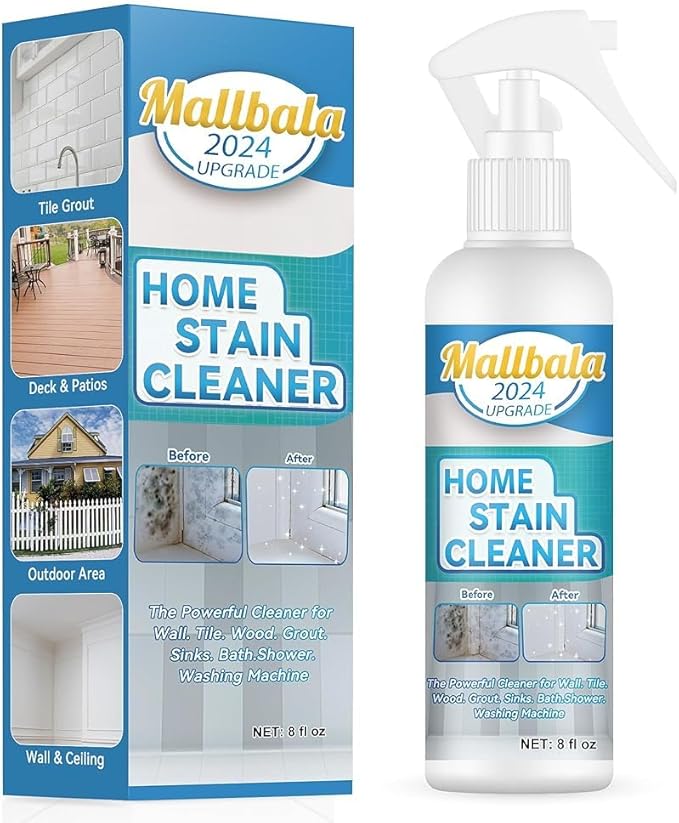
1. Spray Cleaners
Best for: Targeted surface cleaning
Easy application
Good for tiles, grout, and fixtures
Suitable for routine use
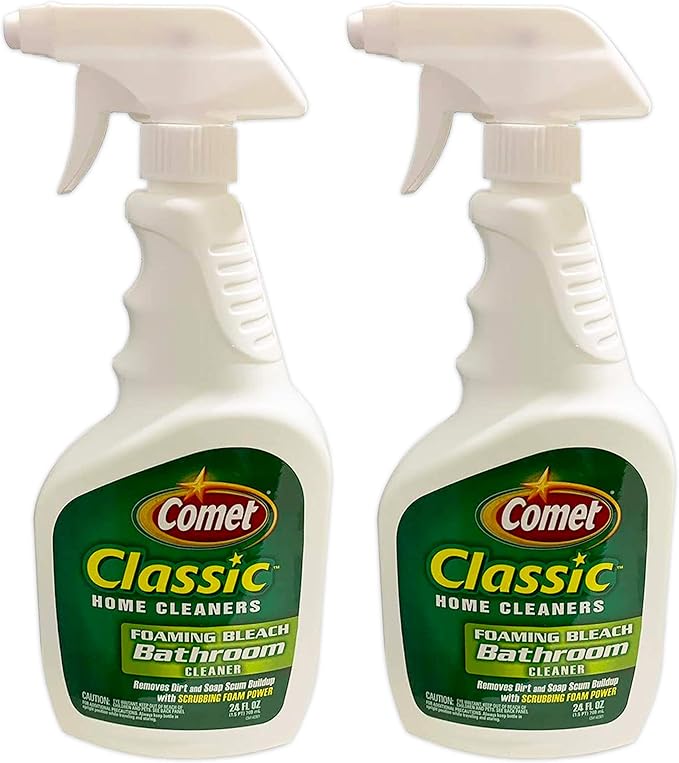
2. Foaming Cleaners
Best for: Vertical surfaces
Cling longer to walls and grout
Reduce runoff
Helpful for shower areas
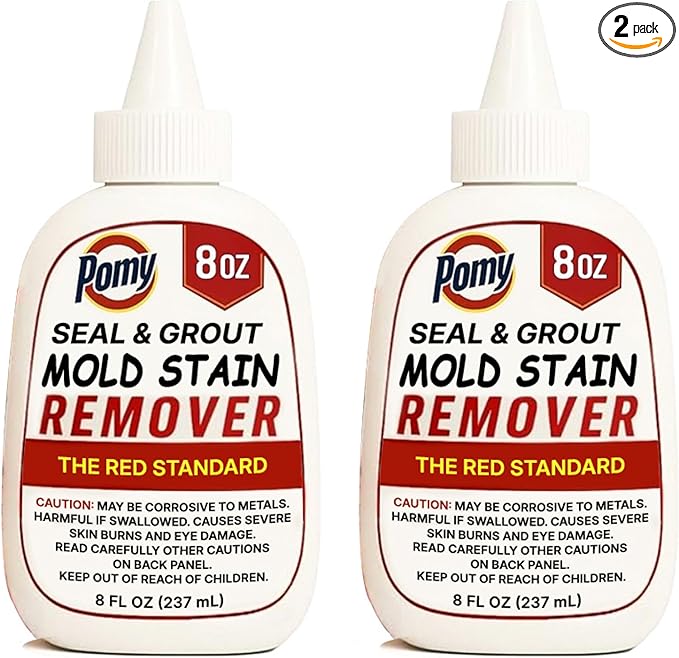
3. Concentrated Solutions
Best for: Refill or DIY-style use
Lower packaging waste
Adjustable strength
Require careful dilution
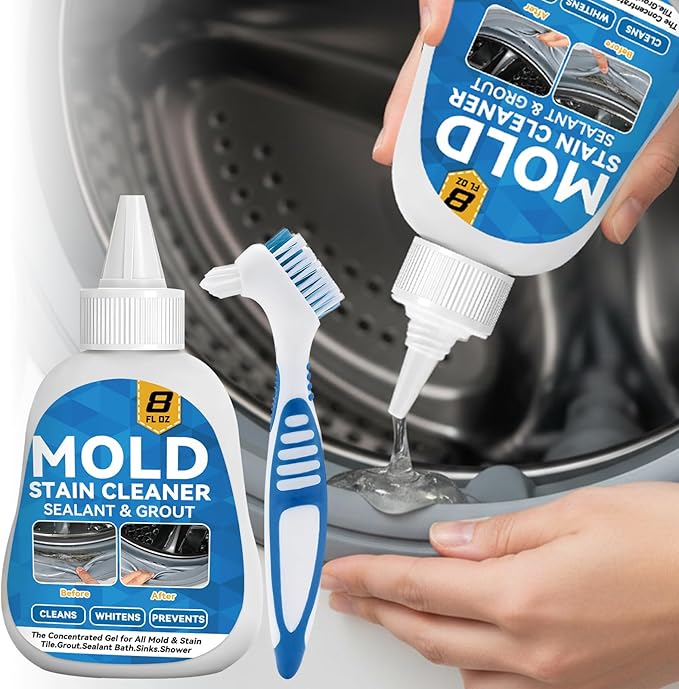
4. Paste or Gel Cleaners
Best for: Stubborn stains
Longer contact time
Useful on grout lines
May require gentle scrubbing
How to Use Natural Mold & Mildew Cleaners Effectively
Ventilate the area
Apply cleaner and allow contact time
Gently scrub if needed
Rinse thoroughly
Dry the surface to reduce recurrence
Moisture control is just as important as the cleaner itself.
What to Avoid When Choosing Mold Cleaners
Be cautious with products that:
Claim to permanently “kill all mold”
Lack ingredient transparency
Require excessive scrubbing
Leave strong lingering odors
Are unsafe for the intended surface
No cleaner can solve moisture problems alone.
Preventing Mold & Mildew Naturally
Improve ventilation
Use exhaust fans
Dry surfaces after use
Address leaks promptly
Reduce indoor humidity
Prevention often matters more than product choice.
Frequently Asked Questions
Can natural cleaners remove mold completely?
They can manage surface growth but not deep infestations.
Are natural mold cleaners safe for all surfaces?
Always check labels—some acids can affect stone or delicate materials.
Is bleach better than natural cleaners?
Bleach can be harsher and may not address underlying moisture issues.
Do natural cleaners smell?
Some do initially, but odors usually fade with ventilation.
Final Thoughts
Natural mold and mildew cleaners are best used as part of a routine maintenance strategy. The most effective options:
Use clearly disclosed ingredients
Work on surface-level growth
Pair with good ventilation and moisture control