
Best Non-Toxic Dishwashing Products (Safer Choices for Everyday Kitchen Cleaning)
Dishwashing products are used daily on items that come into direct contact with food. For many households, choosing non-toxic dishwashing products is about reducing unnecessary residues, avoiding strong synthetic fragrances, and selecting cleaners designed for routine kitchen use.
This guide explains what makes dishwashing products non-toxic, which types matter most, and how to choose options that clean effectively without relying on harsh ingredients.
This content is for informational purposes only and does not replace professional, medical, or regulatory advice.
What Are Non-Toxic Dishwashing Products?
Non-toxic dishwashing products are typically formulated to:
Avoid harsh or unnecessary chemicals
Reduce artificial fragrance intensity
Rinse clean with minimal residue
Be suitable for frequent kitchen use
Clean effectively without aggressive degreasers
“Non-toxic” is not always legally defined, so ingredient transparency and performance matter more than labels alone.
Why People Choose Non-Toxic Dishwashing Products
Common reasons include:
Food-contact surface safety
Reduced chemical smells in kitchens
Washing baby bottles or children’s dishes
Preference for simpler ingredient lists
Everyday dishwashing without harsh residues
For most households, the goal is effective cleaning with fewer unnecessary additives.
What Non-Toxic Dishwashing Products Do (and Don’t) Do
Important clarification:
They still contain surfactants and cleaning agents
They are not “chemical-free”
They don’t guarantee zero sensitivity for everyone
They may not replace industrial-strength degreasers
They are designed for daily household dishwashing, not extreme industrial use.
Who Non-Toxic Dishwashing Products Are Best For
These products are well-suited for:
Daily handwashing of dishes
Dishwashers in family homes
Kitchens used frequently
Homes with children or pets
People sensitive to strong scents
They work best when used as directed.
How We Evaluated Non-Toxic Dishwashing Products
We focused on products that:
Clearly disclose ingredients or standards
Rinse clean without leaving film
Clean grease effectively
Avoid overpowering fragrances
Are widely available and consistently reviewed
Performance still matters—clean dishes come first.
Types of Non-Toxic Dishwashing Products
1. Non-Toxic Dish Soaps (Handwashing)
Best for: Everyday sink use
Typically formulated with:
Plant-based surfactants
Light or no fragrance
Skin-friendly formulations
Look for soaps that rinse easily.
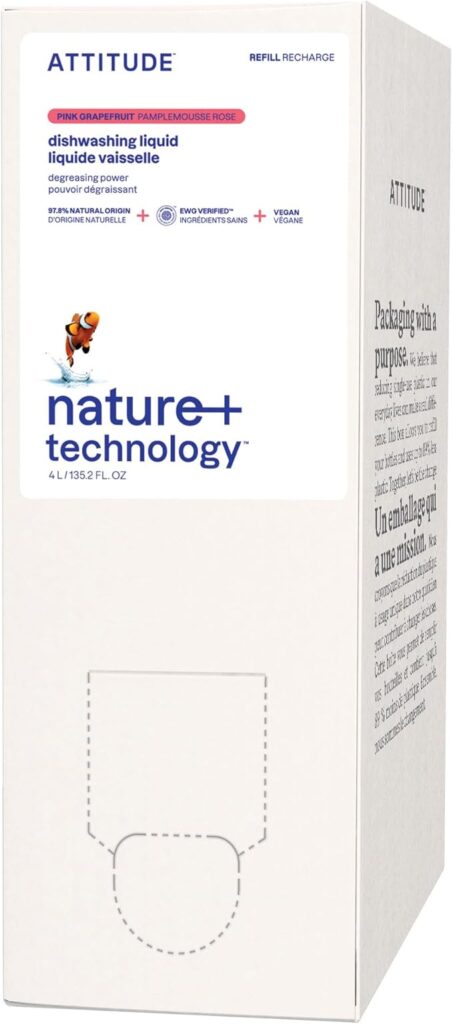
2. Non-Toxic Dishwasher Detergents
Best for: Automatic dishwashers
Available as:
Powders
Tablets
Liquid detergents
Choose options with clear labeling and minimal additives.
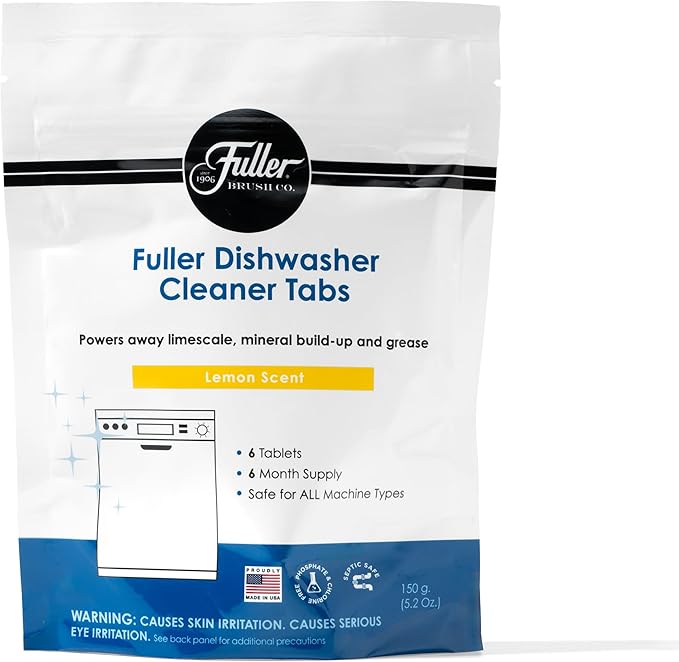
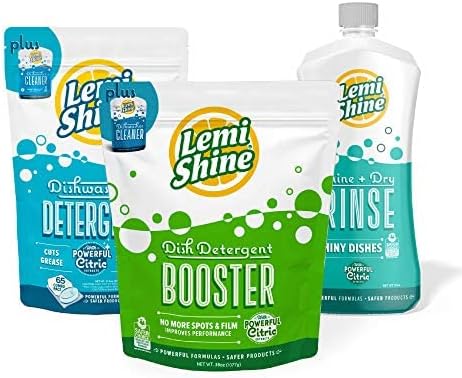
3. Rinse Aids & Additives (Optional)
Best for: Hard water areas
Some non-toxic systems include:
Citric-acid-based rinse aids
Simple mineral boosters
Avoid unnecessary additives unless needed.
4. Concentrated & Refill Dish Products
Best for: Reducing waste
Concentrates:
Use less packaging
Last longer
Are often more cost-effective
Common Ingredients in Non-Toxic Dishwashing Products
Plant-Based Surfactants
Lift grease and food residue
Derived from coconut or corn sources
Widely used in eco dish soaps
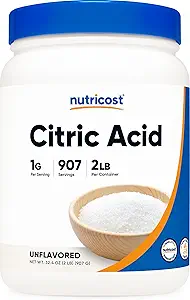
Citric Acid
Helps remove mineral buildup
Improves rinsing
Naturally occurring acid
Enzymes (Dishwasher Use)
Break down food particles
Effective at lower temperatures
Used in controlled amounts
Fragrance Considerations
Fragrance-free: Best for sensitive users
Light essential oils: Mild scent only
Avoid heavily perfumed options.
What to Avoid When Choosing Dishwashing Products
Be cautious with products that:
Leave residue or film
Have overpowering scents
Don’t disclose ingredients
Require excessive amounts per wash
Make exaggerated “health” claims
Transparency and results matter most.
How to Build a Simple Non-Toxic Dishwashing Setup
A practical setup:
One reliable dish soap
One dishwasher detergent (if applicable)
Optional rinse aid for hard water
You don’t need multiple overlapping products.
Are DIY Dishwashing Products Better?
DIY dish soap and dishwasher recipes exist, but:
Results vary
Incorrect ratios can affect machines
Grease removal may be inconsistent
Store-bought options offer convenience and reliability
Many households use a hybrid approach.
Frequently Asked Questions
Are non-toxic dish soaps effective on grease?
Yes, when formulated with proper surfactants.
Can non-toxic detergents be used in all dishwashers?
Most are compatible—always check labels.
Are fragrance-free options better?
Often yes for sensitive households.
Are non-toxic dish products more expensive?
Sometimes upfront, but concentrates reduce long-term cost.
Final Thoughts
Non-toxic dishwashing products offer a practical way to clean dishes while minimizing unnecessary chemical exposure in food-contact areas. The best options:
Clean effectively
Rinse without residue
Use clear ingredient labeling
Fit daily kitchen routines